I’ve been reading Margaret Atwood’s Book of Lives: A Memoir of Sorts. (She’s the author of Handmaid’s Tale) I heard an interview with her talking about the book before it came out and I thought I would really enjoy it. At about 30% (isn’t it weird how the Libby app gets us talking about books in percentages?) into the book, I’m not so sure I love the book (I just noticed it is 600 pages long!), but it does have me thinking about some things.
In the book she starts with her childhood and kind of plods along describing her parents, her less than typical living situations, early jobs she held… I’m getting to where she says things like that all the buildings in Handmaid’s Tale are actual buildings near Harvard (where she went to graduate school).
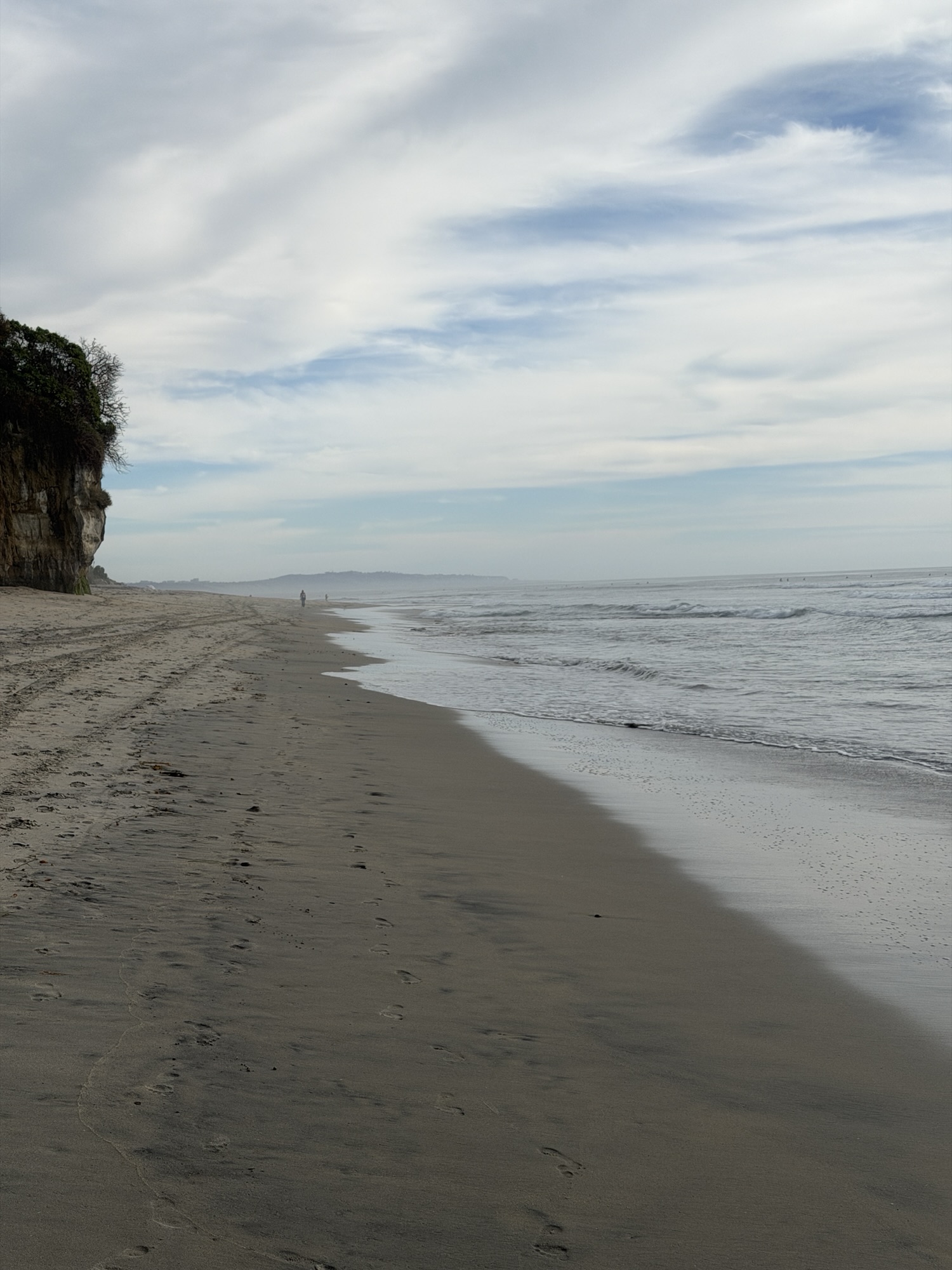
Today was warm again…beach weather in March. So after school instead of a sweaty walk around the neighborhood, we headed to the beach for a much more refreshing walk. Even though the tide was rising, we headed south (our most favorite direction). There’s a place about 2/3 of the way to our turn around point that we call “the corner.” Before all the sand refurbishing work, this used to be a place that was hard to get around unless the tide was super low–maybe that’s why we call it the corner. Anyway, this corner is the place where we often see an osprey perched, looking over the ocean. But the more interesting part of this “corner” is that there is a face in the cliff.
She’s always there. Her face has changed some over the years–I guess she is aging like the rest of us. And with Margaret Atwood in my head, now I’m thinking that maybe I should write her story. I don’t have all the mythology and old English cannon of books under my belt like Margaret Atwood. But I do have years of working with kids and endless walks on the beach to draw on.
I’ve never been an aspiring novelist dreaming of writing great works of fiction…but maybe I can let my years of photos of this face in the cliff inspire her story along with her friend the osprey who spends lots of time perched in her hair.
What do you notice about this face in the cliff? What are you wondering?
There is something transformative about making. Today’s assortment of making materials included some fabric, felt squares, scissors, embroidery floss, glitter glue, rickrack (that word felt like a blast from my childhood!), an assortment of buttons, and a glue gun.
As Carol pulled items from her bag, it felt like Mary Poppins’ magical bottomless satchel. Interesting items just kept coming. (And really, who brings a glue gun to a writing project meeting?)
We’d read The Housewife’s Lament by Dawn Landes, a piece about the invisible daily labor (mostly done by women)…labor that can also become a joyful practice. Teachers also experience the phenomenon of invisible work—labor that goes mostly unnoticed and certainly under-appreciated.
A discussion with colleagues led to an opportunity to abstract those ideas into something made from the bits and bobs available. Soon the room was humming with cutting, glueing, stitching, arranging, even some researching and, of course, the chatting that accompanies the creating.
Pieces of felt and a stir stick became a broom sweeping debris—along with a study of the word sweep and all its connotations. Lace, a heart-shaped piece of fabric, and an overheard conversation became ” the aesthetics of framing a moment of human evolution with a new love.” A smiley face made with felt, button eyes, and lots of hot glue highlighted the value of laughter and joy in the learning process.
We made and wrote and shared both with the group, deepening connections to each other and our shared work. The commitment and passion of the educators in the room was palpable—offering hope in these times when our profession feels under attack.
Glue guns and buttons–making things is so much more than arts and crafts, just like so many kinds of mundane, repetitive, and taken-for-granted actions are necessary and sometimes even joy inducing, even when others don’t understand all that they entail or their significance.
I’m a reader. I pretty much always have a novel going to read before going to bed.
I just finished reading James by Percival Everett. Knowing it was a Huck Finn story, I wasn’t sure I wanted to read it when it first came out. I remember Tom Sawyer at some point in my life, but I’m not sure I’ve ever read The Adventures of Huckleberry Finn. I feel like I know about the story—through cultural references and other indirect avenues.
Then people started talking about James—exclaiming about the book. It started to win awards and was getting lots of critical acclaim. But it took a recommendation from my son before I committed to reading it. (He said he read it in one sitting!). I started by putting a hold on it on my library app. Because of its popularity it was going to be a several month wait.
Then after Christmas I had a gift card AND Barnes and Noble had their big hardback book sale. So I picked it up along with a couple of other titles and it spent some time teetering in my TBR pile.
I started it last week and the story immediately sucked me in. I could feel the connections to the Huck Finn story—but there was so much more.
Perspective matters. Assumptions don’t tell anyone’s truth. People are complex and multifaceted. I loved the dialogue and dialect and that surprised me.
If you’re looking for a thought-provoking read, pick this one up. I found it to be a pretty quick and compelling read. And I’m still thinking about it.
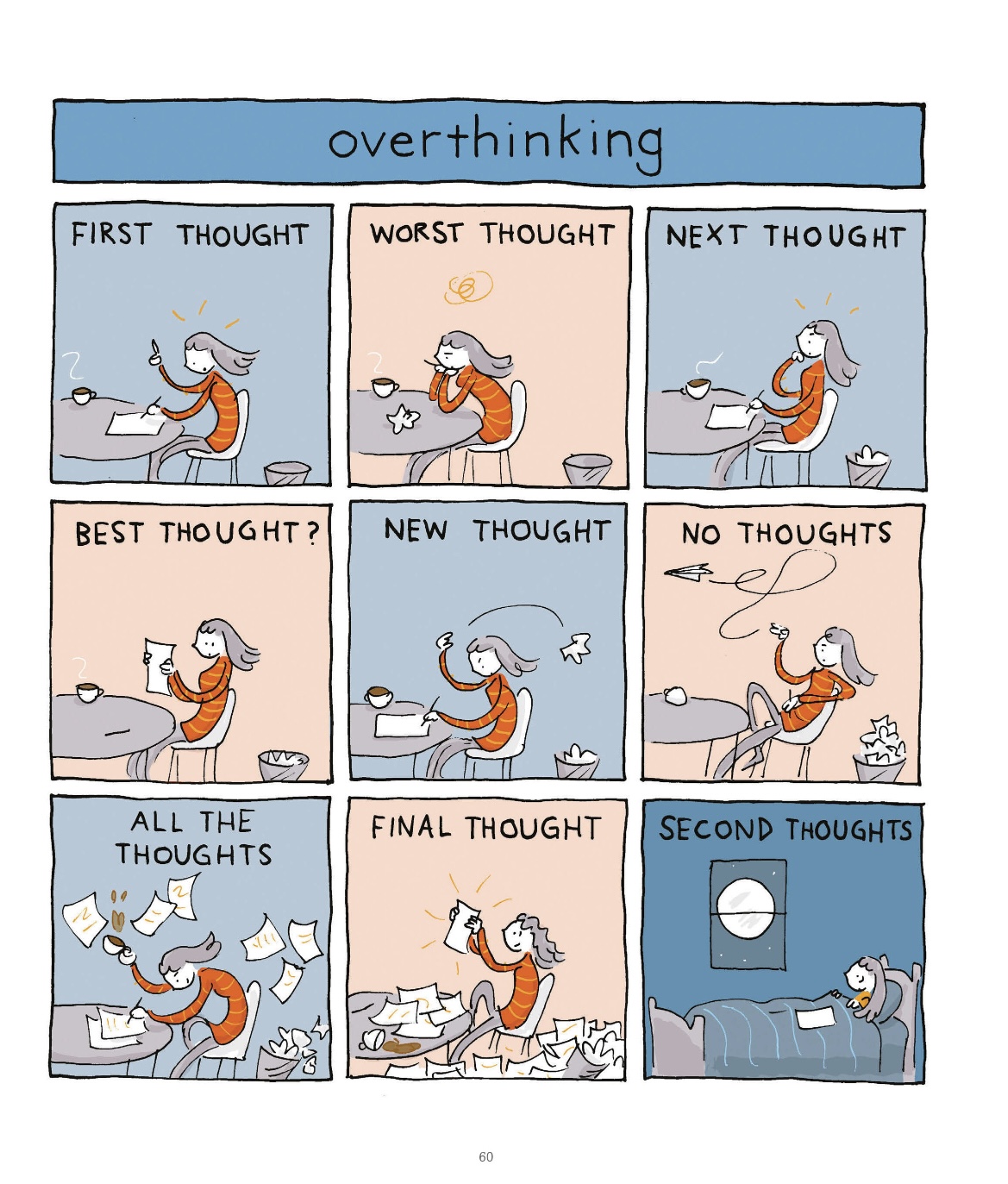
What is it about writing in the summer that brings out the overthinking in me?
I find myself spinning, rejecting idea after idea, often without putting a single word on the page. I know all the things to do when faced with writer’s block:
lower my standards
just write something over and over again until the words start to flow
start small, or
even do some laundry (that is my go-to writer’s block activity–not sure it’s anyone else’s
…but some knots are really hard to undo.
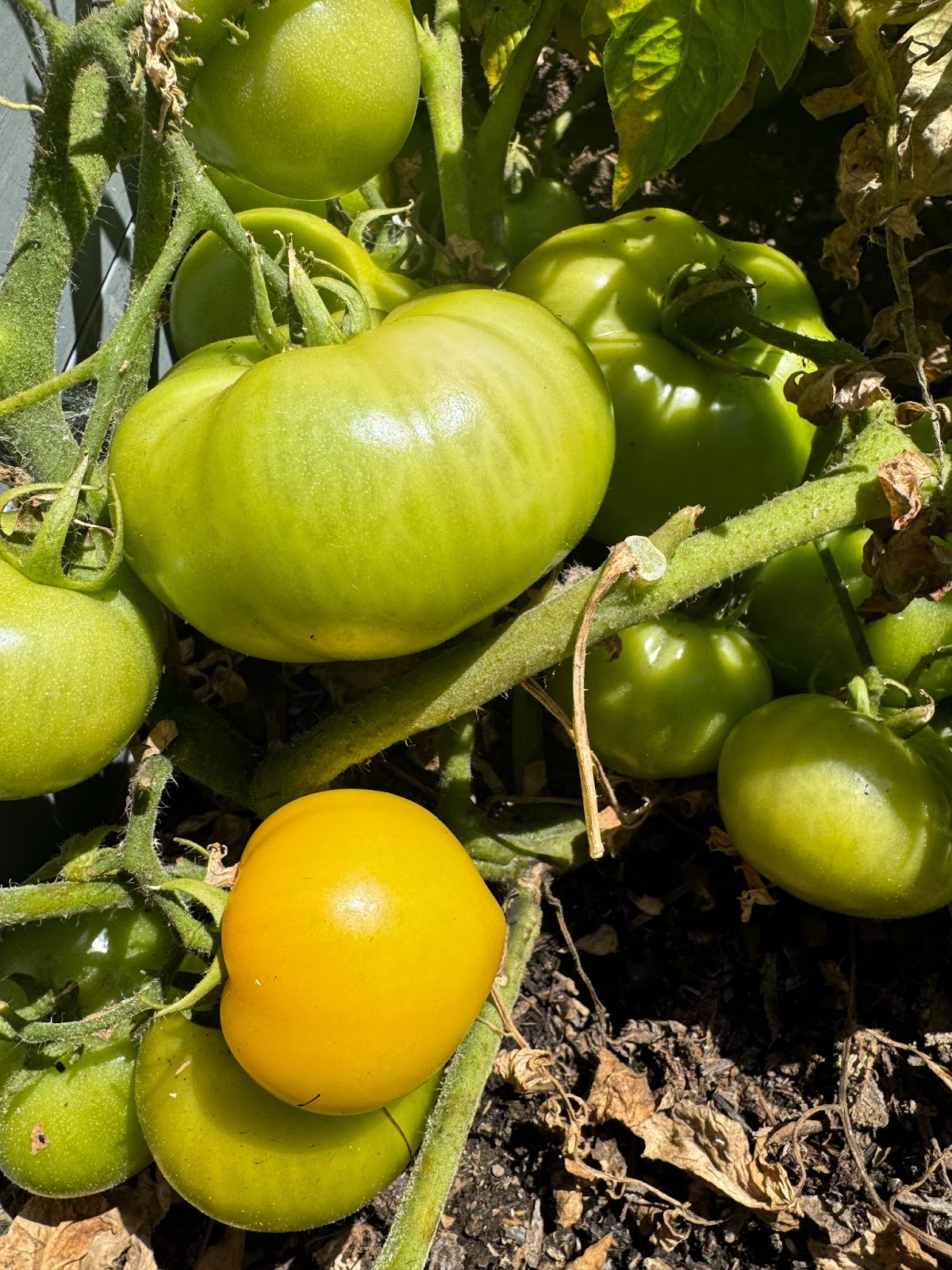
The same thing happens from time to time when taking photographs. Some days there is simply NOTHING to photograph. I’ve seen all the dandelions in all their various stages, the snails and lizards have all tucked themselves under a bush, inside a cactus, or in some dark place I’m not willing to explore, and the trees are just…green. Sometimes I need to give myself a prompt to push out of that stagnant pool of a lack of imagination on my part. So, I might say to myself, take photos of yellow. As I head out the door with my camera or phone in my hand, I am looking for yellow. I might notice the No Outlet sign on the corner–boring. But what if I stand close to it and shoot looking up? What if I get really close and fill the frame just with a corner of the sign? Is that grass growing out of the back of the sign? Suddenly I start to see yellow all around me: in the paint that SDG&E has used for their hieroglyphics on the street, in the teeny, tiny blossom of the weed growing out of the sidewalk crack, or the tomato that is just beginning to change from green toward red.
In the classroom, when I notice these knots starting to form when students sit down to write, even after we’ve spent some time generating ideas, I lean in and open a conversation often starting with something I know about the child’s interests. With that student who wants to connect everything in the classroom to historical facts, I might ask about connections to the sinking of the Titanic that they keep telling me about. To that Laker’s expert, I might ask a question about LaBron and his athletic prowess. I might ask about a sibling, something about a parent’s work, leveraging all that I know to help open a space for the student to begin. There is something about a casual conversation that loosens the knot for most students, allowing ideas to flow and words to form, first orally and then on the page.
So how do I help myself with this overthinking on the page? Sometimes I turn to something I have read, seeking inspiration in the words of another. A photo works well as a prompt for me, taking me back into a space, a place where I was in my creative element. Sometimes an image can become a metaphor, guiding my thoughts and giving me a new way to see an experience or understand something I’ve been grappling with.
This time it was Grant Snider’s comic that opened the door to my writing, forcing my brain to calm from violent spins to somewhat more graceful pirouettes. Instead of pulling the knots tighter, they began to unwind and allow me to find some words and remind me that I do have strategies at my fingertips when I find myself overthinking and grasping for words.
Sometimes it seems like I’m always tired. Even after a full night’s sleep, I wake up feeling like I could just stay in bed all day. It seems worse since the time change, even though I purposefully gave myself some extra down time to try to make up for the “lost” hour.
A week or so ago I read an article about seven kinds of rest that all people need. Now this is really not news–I know that sleep and rest are different, and that my mind can be whirling even when my body is resting.
Here are the 7 types of rest the article outlines:
physical rest
mental rest
sensory rest
creative rest
emotional rest
social rest
spiritual rest
It’s interesting to me that physical rest can include both passive (sleeping, laying down, napping, etc.) and active rest (stretching, massage, yoga). I’m pretty good at passive rest, not so good at active rest. It is definitely the mental rest and the social rest that are challenging in my line of work as an educator. Teaching is not the kind of job that is easy to leave at the office–and it’s also not easy to just take a break during the course of the work day. I think this is an area I need to make some more conscious effort to let my brain relax–and I think it explains why so many teachers hate to make decisions when they get home from work! That social rest is another challenge. We are people facing all day long, and it’s hard to be “on” all the time. Especially those of us who are introverts at heart can find the constant social interaction exhausting.
I love the idea of creative rest–which doesn’t really sound like rest at all. Taking photos is definitely a version of creative rest for me. And I often think I should pull out my watercolor paints or some other art more often. Lucky for me I do get to paint and draw with my students, which is another creative outlet.
One of the things I love about walking on the beach is that it is forever different and always fascinating. Today was gray with a pretty thick marine layers covering the coast. I love low tides when the reef is exposed, the beach is wide, and if I’m lucky there will be more shore birds and other sea creatures visible.
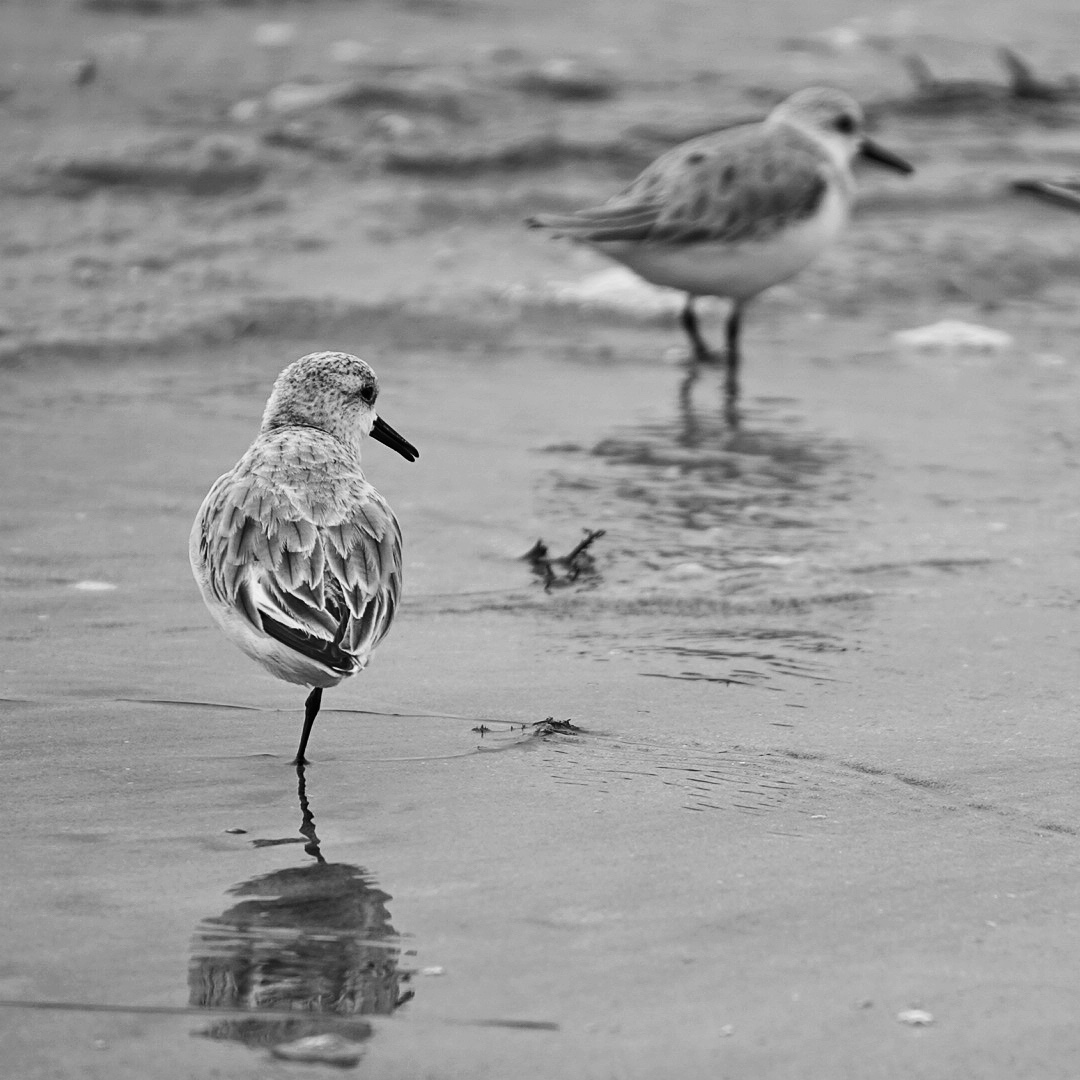
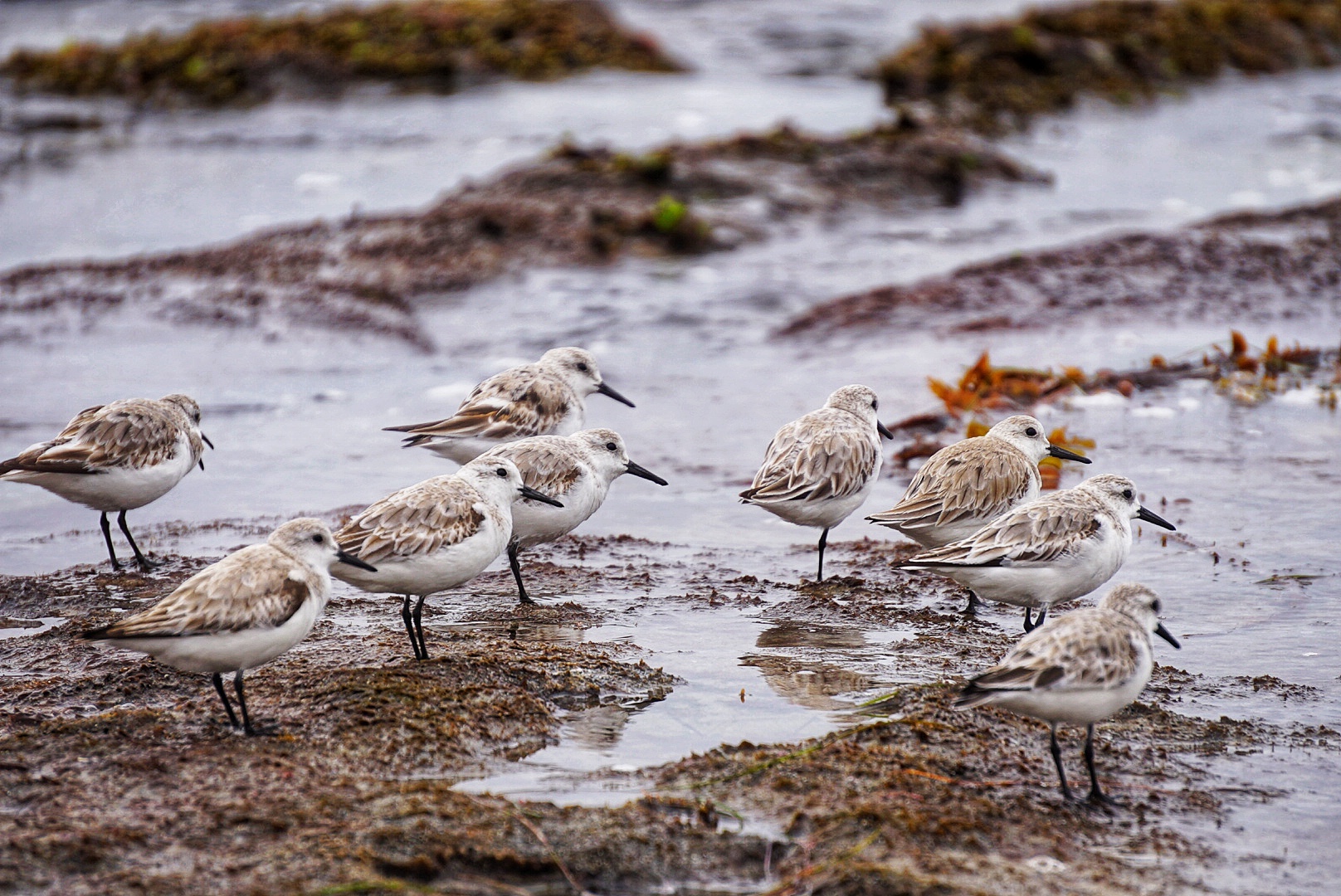
Today it was the tiny sandpipers that caught my eye. They gather in groups, perhaps safety in numbers, and move in unison. I crept close today (they spook easily) and waited and watched with my camera at the ready. Their coloring helps them camouflage with the reef, making it hard to get great photos.
So many birds stand on one leg…and this one is a perfect example. I’m guessing it’s a way to rest. I know when I am standing a lot (like every day teaching), I find myself standing one one leg or resting one foot on the other.
As I was thinking about these birds that run and fly in perfect synch–their little feet almost like perpetual motion machines–I was also wondering about their collective noun. What is a group of sandpipers called? With a question like this, I did the usual and turned to Google. There I learned there are a number of names for a group of sandpipers including a contradiction, a fling, a hill, and even a time-step! Where do these names come from…and why? A contradiction?
If I were to choose from these nouns, I would definitely go with time-step. I love to watch their little legs move in a blur of constant motion and in perfect step with each other–definitely a time-step!
And…I was lucky enough to catch this guy mid leap! Notice the little drip of water from the tiny bird foot raised above the ground.
It’s fun to leave the beach wondering and thinking. No two days are alike and every day gets me thinking. Where do you go to think and wonder? (And maybe even walk and photograph)
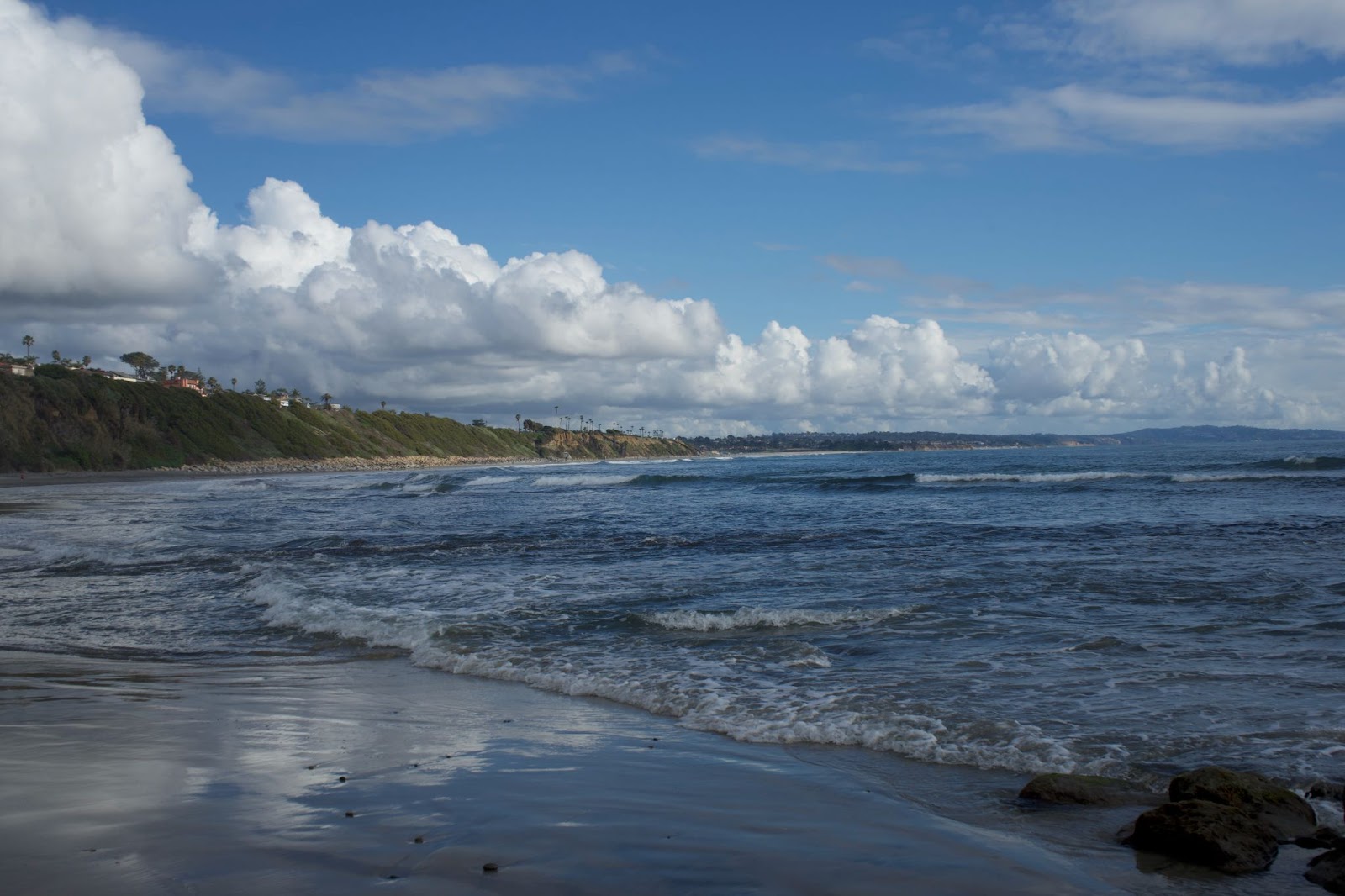
I walk the beach feeling the water-laden air kiss my cheeks as the breeze lifts my hair straight up, making me taller by inches. Water, clear as it pours from my water bottle, takes on every shade of blue as I look out to the sea on this sunny day. What is it about the qualities of water that allow us to see so many colors when we look out at the ocean? Water both absorbs and scatters light, swallowing the red, orange, yellow, and green wavelengths, leaving the shorter blues and violets for us to see as blue’s variations.
Water, also known by its formula H2O, is a miracle of chemistry. The magnetic-like attraction of hydrogen and oxygen pulls the atoms together to create this unparalleled life-giving substance. Water is a magical shape-shifter. When it heats up, it becomes a gas we call steam, rising nearly invisible into the air. When it cools down, it becomes hard and cold and incredibly strong. We call it ice and as it warms and melts, it becomes liquid water once again. Water evaporates, condenses, and precipitates in a constant state of movement through the water cycle, creating our weather, refreshing our reservoirs, blanketing mountains with snow, watering crops, cooling the surface of our planet. Earth’s surface is 70% covered by water. Scientists are constantly seeking evidence of water on other planets as a gauge for the possibility of life as we know it.
We not only depend on water, we are made of water. Human bodies are 60% water. Water quenches our thirst, cleans our bodies, refreshes us on a hot summer’s day, runs through our veins, flushes through our organs. We crave water, fear water. It lulls us to sleep and shouts for our attention.
My memories are saturated with water.
The birth of my first child came with the unexpected gush of a river of meconium-stained amniotic fluid, right after my husband told me, “Let’s not have the baby tonight–I’m exhausted.” That flow of water set in motion the activity, the worry, the joy, and the endless nature of parenting with the arrival of the most perfect baby boy–unrivaled until his brother joined us a couple of years later. And with that flow and the baby that accompanied it came more attention to bodily waters. Suddenly liquid intake and output became something to measure and worry about. Is he getting enough milk? Peeing enough back out? I found myself swimming through waves of information seeking that perfect watery balance.
We hear all the time that we should drink eight 8-ounce glasses of water each day. It seems that everyone carries large bottles of water around with them. Is it too late to drink once you feel thirsty? Can you drink too much water? I’ve heard the stories of people dying simply by drinking too much water. Water intoxication, also known as hyponatremia, happens during major sporting events, fueled by the fear that dehydrating would be worse. Water is both necessary for life and can take life away–and sometimes make it unpleasant, even when you are trying to have fun. It’s not always about drinking water, sometimes it’s the movement of water that is the culprit.
The rhythmic motion pounded, creating that endless swirl like a washing machine, constant steady movement against my forehead, from the inside out, as I tried to push against it. Then it migrated to the pit of my stomach before bouncing back, heading toward my throat. Maybe I’ll feel better in the water I thought as I adjusted my goggles and snorkel. Geoff was watching the boys as they dipped into the ocean in search of brightly colored reef fish, and trying not to watch and worry about me. Somehow the motion of the water was an exact match to the stomach churning rhythm of the boat, today was not going to be my day for snorkeling fun. Why is it that even as I love being on the water and in the water, that it can cause me so much distress?
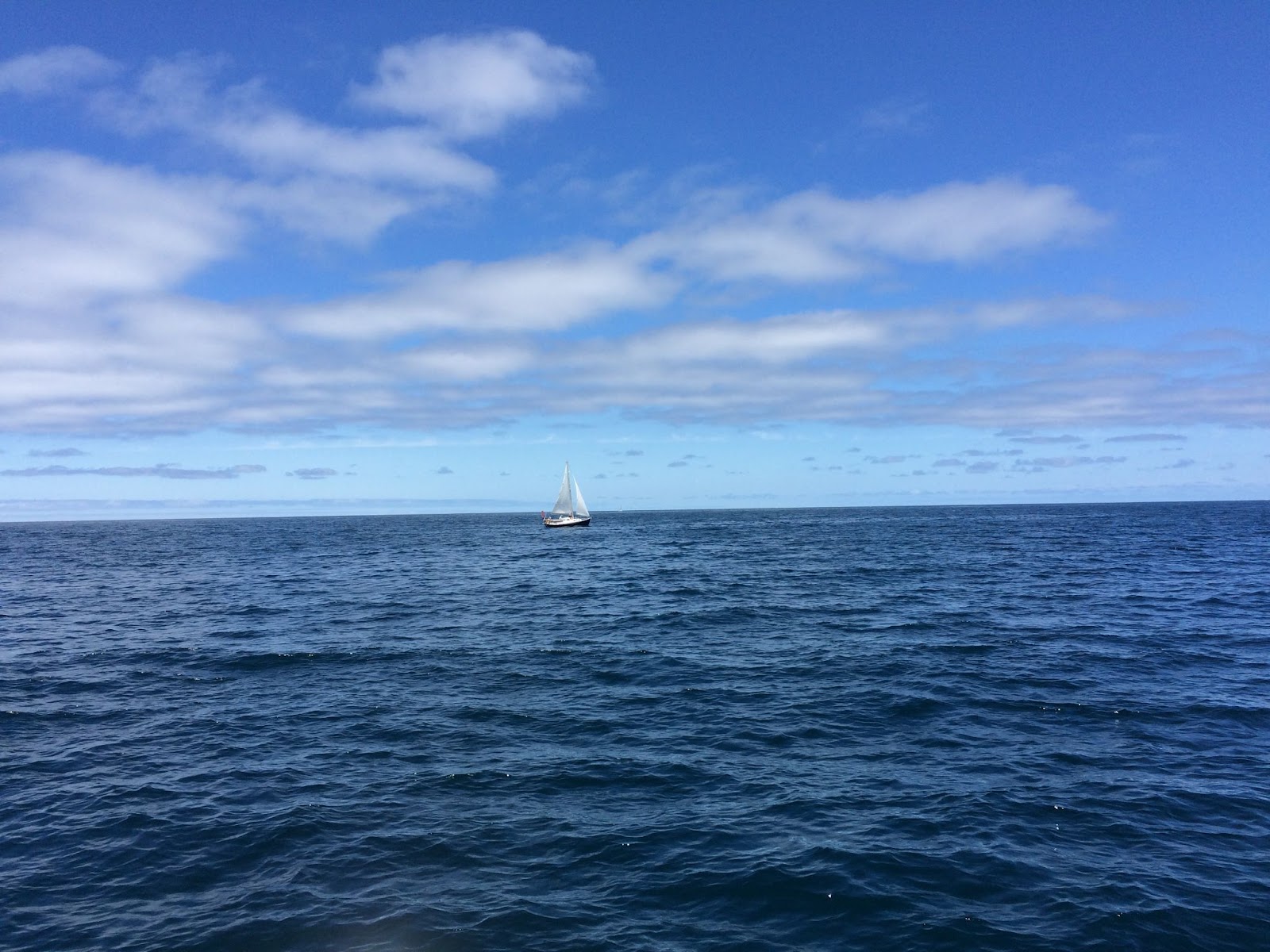
But distress is not my constant companion in watery experiences. There’s an exhilaration and playfulness that splashes over some of these watery memories. “This boat is nearly impossible to flip.” Did Dad mean it as a dare as he generously allowed my sister and I and our partners to sail out into the bay,–without him? A light wind and a sunny summer’s day enticed us to believe, inexperienced as we were, that, of course, we could sail this little sailboat without mishap. Luckily, we were all swimmers and our young men were strong enough to pull the boat upright after some ineffective sailing techniques tested the limits of the flippability of that boat.
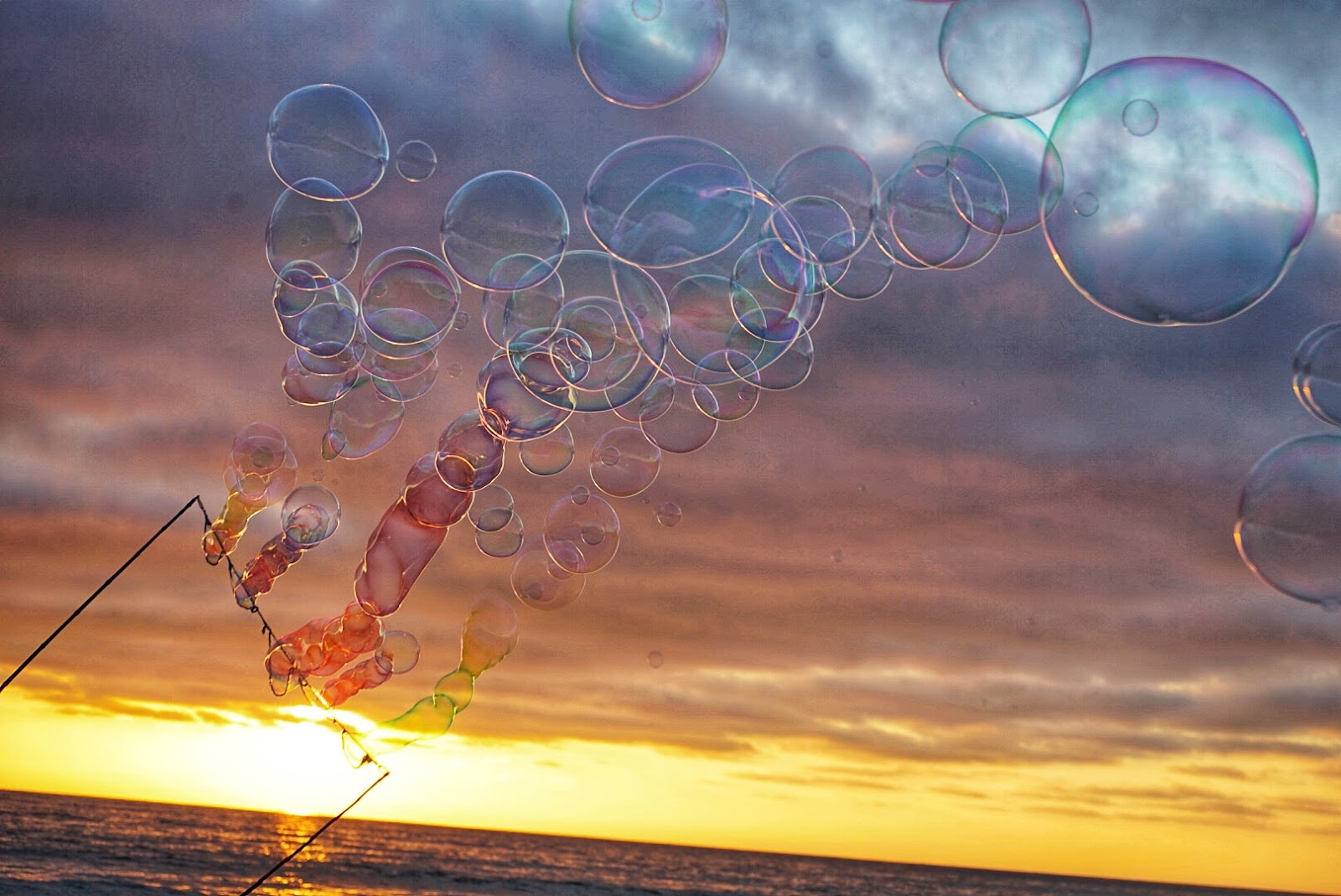
And tinier, much more usual moments can also bring so much joy. I am drawn to the beach, mesmerized by the funky smell–fishy and salty and wet, the whoosh and roar of waves as they hit the shore–echoes of the push and pull of blood through my heart, and the ever changing landscape–sculpted and shifted by tidal changes. Some days I spy the bubble man with his magic wand. He lifts his arms to the sea breeze and bubbles–a magic potion of soap and water–stretch and dance, reflecting all the colors of the rainbow. I stand transfixed, my camera at the ready, watching children–magnetized by the spectacle–running and jumping, chasing these orbs until they pop.
I wake in the night feeling water seeping from my still closed eyes, dreams and nightmares locked in an embrace, a tortured dance of real-life and deep subconsciousness. The cancer slowly erodes his strength and independence, taking away so much of what he loves about life. The smallest joys–walking around the neighborhood to see what is going on in the community, morning coffee at the local coffee shop to spin lies with the other old men–are no longer possible. There is not enough breath, not enough blood to take those extra steps, to carry on an extended conversation. He’s alive, but is he living? My tears spill over, dampening my pillow, offering relief, if only for a moment. I know the dam will burst at some point, but like him, I hold it back as a show of my strength and independence. Like father, like daughter.
***
Nature’s mirror, water reflects its surroundings. Some days you can walk on clouds, watch egrets admire their image, and see details of the landscape you missed while looking straight on. Other days are gray and flat, colors muted by the lack of sun. When the clouds are low it’s like being submerged in a small damp box, trapped inside with only your own watery thoughts to splash through. Moist thoughts stick, working their way from my head to my heart. Sometimes they gather and rise, churning, lifted by invisible forces, a storm waiting to unleash. At their best they shine, gathering the light, refracting into rainbows of colorful ideas ready to be unleashed in the world. Water is life, water takes life, and like fish, we swim in it, through it, beyond it, drinking in its lessons, flooded with memories…of water, our lifeblood.
Have you ever had the experience where you read a post on social media and it sends you down a rabbit hole of further exploration, thinking, and wanting to tell everyone you come across about what you found?
Laurie over at the San Marcos Writing Project Facebook page does an amazing job of posting current blog posts and articles related to education, writing, and connections among and beyond. It’s like an article-at-a-glance from so many different sources. I’m not really sure how she does it, but I totally appreciate her curation of relevant information. Every once in a while, one of the articles shared catches my attention and I find myself going into a deep, satisfying swan dive.
The title, The Trouble with Data, immediately got my attention today. In the piece, the blogger talks about data related to the COVID pandemic–the lack of it, the problems with it–based on a science article in the Atlantic–and then extrapolates it to education.
The three points, in both the Atlantic article and in the blog post, resonated with me and my own experiences with folks who value data (meaning numbers) over all other ways of knowing. The argument these data people always want to make is that data is objective, other ways of knowing are subjective. (Meaning, objective=good, subjective=bad)
Now, please be assured, I am not anti-data or anti-science. I simply always want to know where the numbers came from, how they are gathered, who made the decisions, and about decisions made about how they are displayed and explained. I’ve spent plenty of time in conversations with colleagues explaining that in these seemingly objective testing scenarios, the subjectivity can be found in the decisions made prior to giving the test–in the development of content, format, who is tested, etc.
The three points that I keep thinking about are:
1. All data are created; data never simply exist
2. Data are a photograph, not a window.
3. Data are just another type of information.
When I think about the ways testing data is used to describe our students, the ways it constrains teaching and learning with a huge emphasis on test prep and tremendous time spent away from teaching and learning that is instead spent on the testing process, and the ways what teachers and families know about students is diminished as irrelevant compared to those “snapshots,” I keep going back to my questions about where the data comes from. I encourage you to read and think about data and the ways it is presented–often without context, background, and transparency.
And one more tidbit–this one about some “learning loss” numbers being thrown out into our educational mix. Check out this article from Forbes about where the number–57 days of learning lost during the pandemic–came from.
A quote shared in the Atlantic article to chew on:
Data-driven thinking isn’t necessarily more accurate than other forms of reasoning, and if you do not understand how data are made, their seams and scars, they might even be more likely to mislead you.
My mind is swirling with so many thoughts. I might need a conversation group to talk through some of this!
Rain sang me to sleep last night. And I woke to a damp morning. As I headed out the door, overloaded as usual with this bag and that one too—along with my lunch and coffee—I nearly stumbled as I spied the tiniest snail crawling near the doorstep. I just had to stop, pull out my phone and photograph the snail and the damp trail behind it.
As I thought about that snail I found myself thinking about those trails I leave, will anyone notice that I have been here? I hope I leave trails for my students. Those that they can turn to even when I am not around. Can they locate a mentor text for themselves when they have something they want or need to write? Will they remember to start with what they know when faced with an unfamiliar math problem?
Maybe those songs we sing in the morning help. Perimeter Around the Area by the Bazillions is a fun way to keep area and perimeter from crossing paths. And who doesn’t love singing the FBI (fungus, bacteria, and invertebrates) by the Banana Slug Band to learn about decomposition?
Getting to know Naomi Shihab Nye through poems like Kindness or Famous or A Valentine for Ernest Mann helps us explore the power of language. Books like Love by Matt de la Pena and Wishtree by Katherine Applegate help us see our own experiences and those that are different from ours.
Making stuff…from art to slideshows to videos to bridges made of cardboard and construction paper allow schoolwork to slip into the realm of play. Playing together and laughing and those long deep conversations about important topics just might leave those trails I’m thinking about.
And I know for sure that my students leave trails of their own, for their classmates to follow, for younger brothers and sisters and most definitely those etched deeply on my heart. They remind me that the ordinary matters, that caring is more important than any test score or report card and that if we pay attention we can find the pathways that matter most.
I’ve been thinking a lot about clutter. In my mind, I am a minimalist. I love those wide open clean spaces, creating a blank canvas that facilitates thinking and creativity. I’m drawn to those books that offer clutter solutions, guaranteeing success in easy steps to get rid of the junk and keep life carefree and unjumbled. I regularly browse them in the bookstore, taking note of the tips and advice, but seldom put any of it into practice once I get back home. I guess I have to admit that I am a bit of a packrat.
There are different categories of stuff I have a hard time parting with. Books compel me. I seek them out like old friends. I crave having them around. They teeter in tall stacks beside my bed, crowd into the corners of my bulging bookcases, peek out of baskets beckoning to me. The ones I’ve read remind me of my own thinking and learning, taking me back to different times in my personal and professional lives. They are those mentors and coaches that helped through tough times, kept me on track or pushed me to the next level in thinking or doing or feeling. The ones I haven’t read yet are the gateways (I hope) to new ideas and new ways of thinking about being in the world. Novels, professional books, nonfiction, fantasy…they all intermingle on my shelves and in my mind, which do I get rid of?
Cards and notes and bits of paper filled with love also linger in my life. They are tucked into books, crouch near important papers, and hide in drawers and files. Like rays of sunshine, they warm my heart and lift my spirits. Then there are those keepsake items. The musical stuffed dragon we bought for our youngest son when he was born, the tattered blanket that was never far from his chubby fist. Then there’s the letterman jacket showing off the achievements of our water polo playing son, the baby blanket my grandmother crocheted, and the book about education wars my son wrote as an example of satire in seventh grade.
There are also the items that still have use left in them. The extension cord that has been curled up in the drawer for the last five years because the lamp being used now has a long enough cord. The drawer of pens that all still work, even though no one uses them. And then there are clothes. Those jeans that are worn thin but you still love, even though they stopped being comfortable five pounds ago, the sweater in your favorite shade of blue that must have cost a fortune but makes you itch every time you wear it. The baby clothes that remind you of the time when your now grown boys were a babies, won’t one of them want that tiny Padres jacket for his own child one day?
How do I get from my real life clutter to the wide open spaces I see in my mind? I think about all the books and blogs and videos out there that espouse the perfect solution. Unclutter in 30 minutes a day, change your life as you tidy your house…you know the claims. And perhaps the bigger question is, do I really want those sleek, shiny spaces that I dream of or does the physical clutter contribute to the complexity of my own thinking?
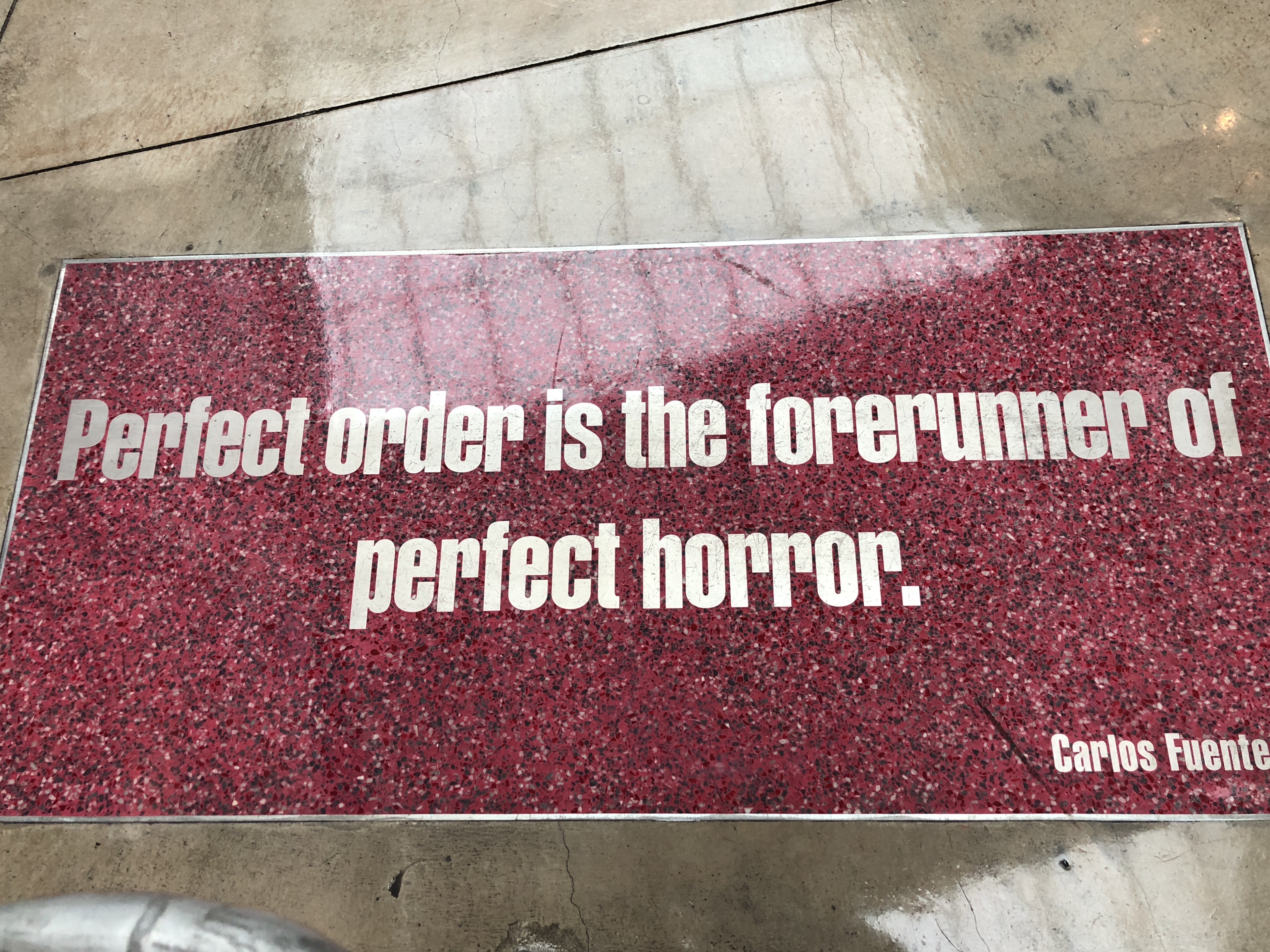
As I walk through the Price Center on my way to our meeting room, one of the quotes on the floor catches my eye: “Perfect Order is the forerunner of perfect horror.” Carlos Fuentes. I stop and snap a photo. Wait…has this quote always been here? Have I walked over it time and time again? Was it placed here purposely for me to find today…just when I most needed to stop and think about it? As I work to frame the photo with my phone, I’m frustrated by the reflection on the shiny waxed floor, my inability to get the perfect shot. I continue to ponder the meaning, wondering about the appeal of perfect order–that perceived beauty of the sleek and shiny. The myth that rules and a lack of ambiguity somehow leads to clearer thinking and robust, equitable solutions to the world’s thorniest and most persistent problems.
Maybe I should take a note from nature, noticing the ways that beauty and complexity are intertwined. Simplicity is not a straight path with clean uncomplicated solutions and easy answers. Remembering that even my clutter is part of a complex system–memories wrapped up with functionality, sentimentality intermingling with purpose and usefulness–can help me as I continue to chip away at the piles here and the stacks there. I do want to make space in my life for new–new pathways, new memories, new books, and new ideas–and also leave space for the new to intersect with all that came before.
I have to face it, minimalism is not a likely lifestyle for me. It’s not likely that I will achieve that perfect order that will result in perfect horror. I love ambiguity and have spent much of my life pushing against rules that serve as gatekeepers rather than safety nets. A new lens might help me re-view and re-vision my clutter, seeing new opportunities in what was once simply a mess. Perhaps now is the time in my life to start looking carefully at why some of those things remain, long after they’ve ceased to have use for me. I’m sure I can find a good home for that extension cord and the drawer full of pens. I will prune, donate, reimagine, and gift the excesses. And I will be patient with myself, knowing that if I can’t part with something today, the time must not be right, and instead I will work to appreciate those teetering stacks and overflowing baskets knowing they are providing me support and comfort for the time being.
But I also won’t be complacent. Change means looking for a new order and that means I will need to ditch some of things and thinking that no longer serve me. Maybe this is what all my heron and egret sightings have been telling me: lighten the load, stretch out, and let your imagination take flight. How can I not be inspired by those amazing yellow feet!






 Thinking Through My Lens