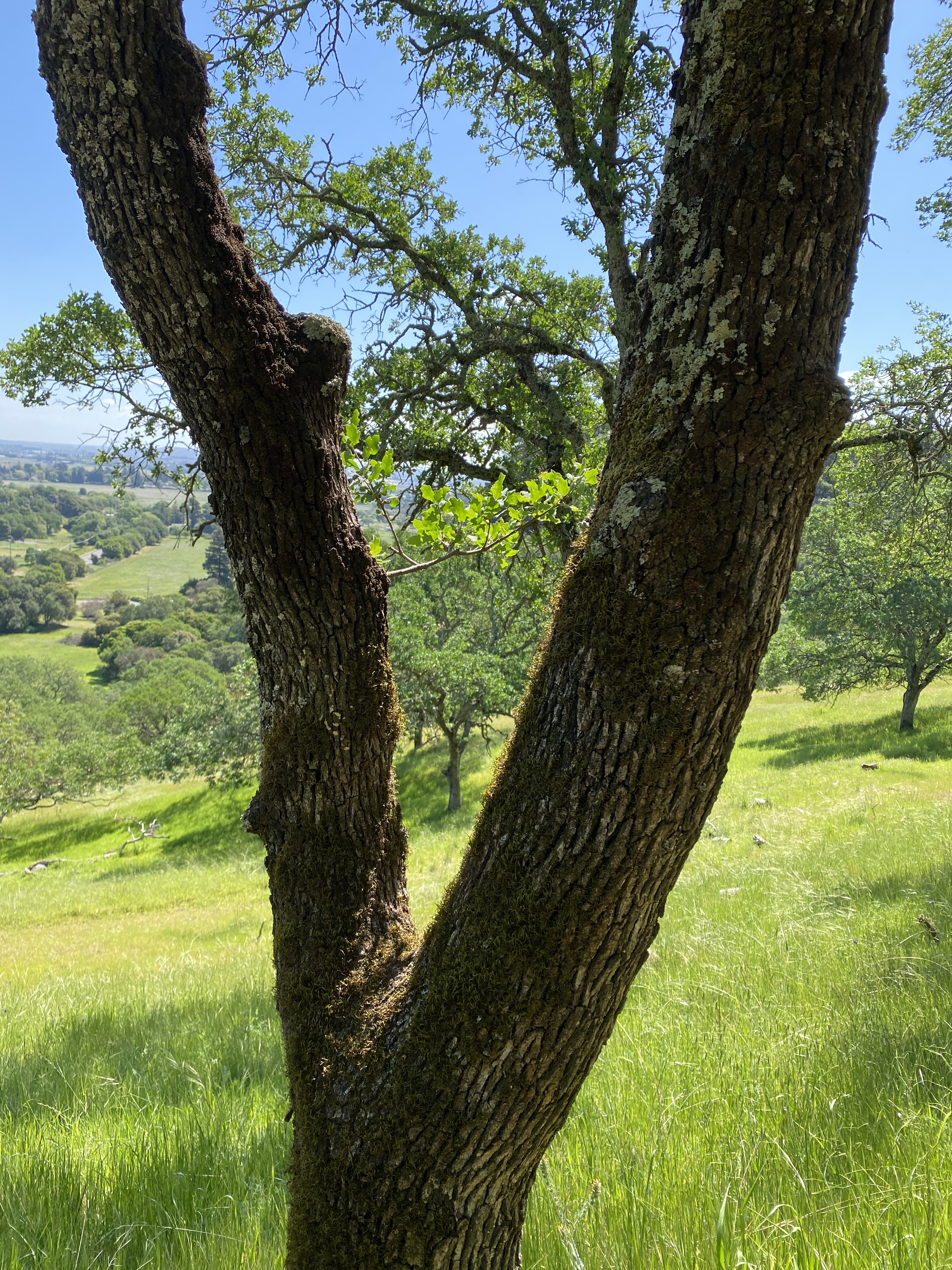
Green
Dressed in chlorophyll
perfect frame, green stacked on green
precursor to brown
®Douillard

Green
Dressed in chlorophyll
perfect frame, green stacked on green
precursor to brown
®Douillard
Today we learned about William Carlos Williams and studied his iconic poem: This is Just to Say. Students were quite excited about the idea–especially when I encouraged them to be playful. They apologized to their dogs, to chairs, to brothers, and more.
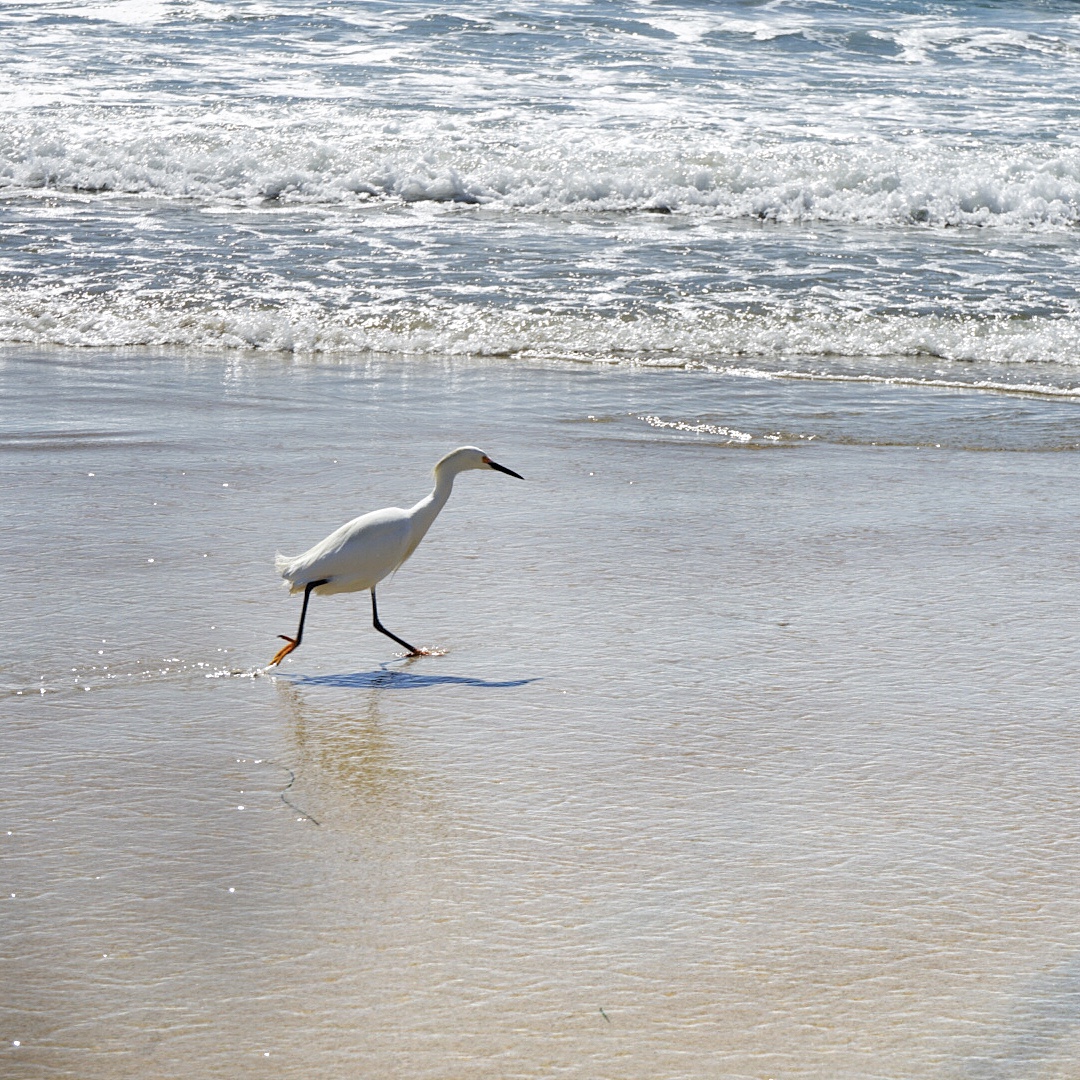
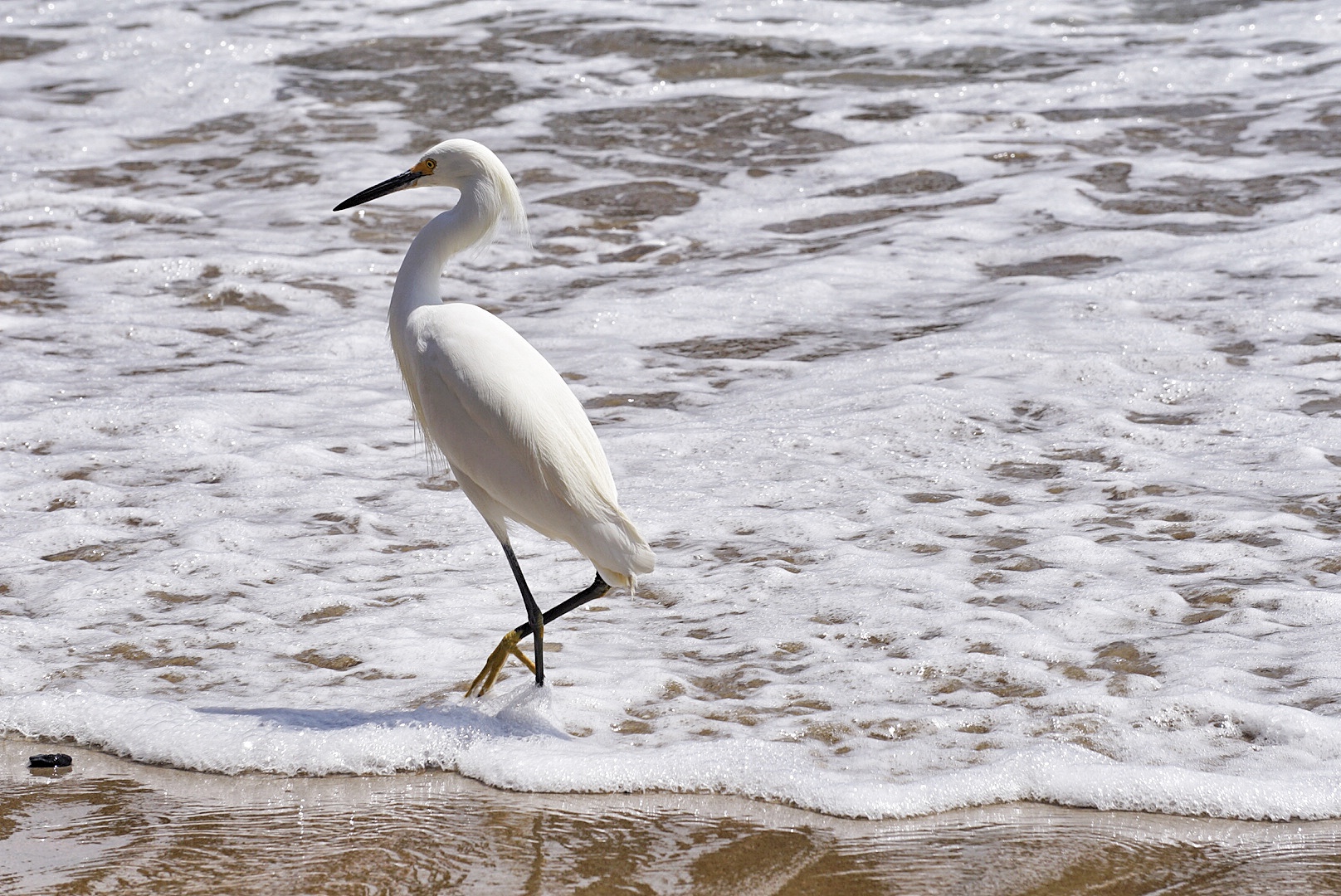
Me…my apology poem was dedicated to my feathered friends: snowy egrets.
A Snowy Egret Apology
I have taken your photo
hundreds of times,
never asking your permission
You probably wish
I would leave you alone
or just admire
you with my eyes
from a distance
Forgive me
your bright yellow feet
and delicate as lace feathers
are too gorgeous to resist
®Douillard
On day 20 of the poem-a-day challenge, we tackled the list poem. Using Eileen Spinelli’s Creativity as our mentor text, we studied how this list poem was constructed. Students noticed the list of ordinary objects, pointed out the rhyme, saw the punctuation and got ready to create their own lists.
Often, I base my poems on a photo I’ve taken. But today, I decided to write my list poem about poetry…and found myself putting bits of language from my students into it (including that rat from yesterday!). Here’s my first attempt:
Poetry
Poetry
swirls together
sights and sounds
popping like popcorn
then paints on details
like the furry mountain
that was once a rat
you can smell
the tropical sunscreen
slathered on tender skin
and climb the Eiffel Tower
to view the sights
of Paris below
Poetry
links animals and machines
growling and leaping
flowers and candy
sweet, tasty, colorful
blooming in my imagination
quenching my thirst
with cool, fizzy, wetness
that takes my to the seashore
where poetry lives
®Douillard
A week or so ago I experimented with 6-room poetry with the poem Yellow Bird. Today my students and I tackled this approach–using a moment from our weekend as the topic for the poem. I wish you could have heard my students’ efforts–the one about the dead rat (really?) described as a mountain of fur, the outdoor haircut, and more.
Of course I wrote alongside the kids, using my unexpected dousing by a rogue wave on my walk on Sunday as my moment for the poem. And here it is:
Oops
April beach day
full sun
birds squawking
kids squealing
laughter floating
on the gentle sea breeze
Sun’s shine sparkles
dancing on the endless blue
birds dine
darting in and out of the surf
I squat low, creeping close
slowing turning my lens
to focus
on those long beaks, curved like straws
Out of the corner of my eye
I see it
I hear the rush
whoosh, shush
My movements seem
like slow motion as I stand
and run toward the shore
Too late!
I feel the cold
creep up, soaking
my leg from ankle to thigh
my jeans heavy
from the briny wetness
Surprise floods my brain
Phew! Luckily my camera
is dry
Click, click, click
®Douillard


I’m always surprised when I find ladybugs crawling around on the beach. What brings them there? The shoreline just doesn’t seem like a place they would be! But then again, seeing ladybugs always fills me with wonder. These tiny perfect things are such fun to watch and to photograph.
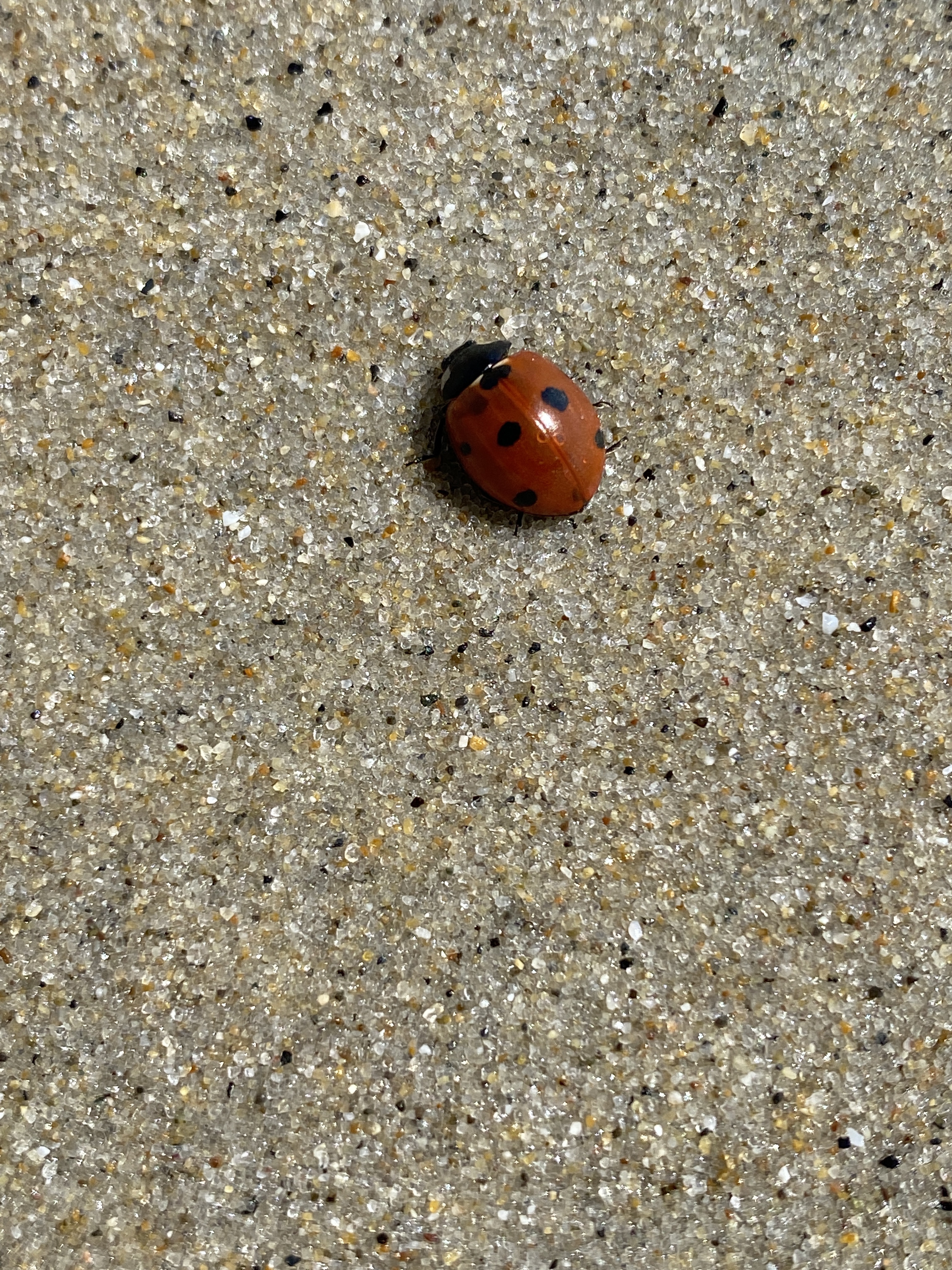
Ladybug
When a poem lands on your shoulder
pay attention
watch the candy-apple red
fire engine bright
shiny cherry lollipop
crawl down your arm
Tiny black polka-dots
dance out
words
nature’s unexplained mysteries
compacted in this tiny jewel
®Douillard
A Saturday drive led us to a roadside attraction–and a poem.
Roadside Attraction
Not to be missed
pepto-pink dinosaur
large enough to house a gift shop
garish T-rex
with a view through
carnivorous teeth
visible from the back seat
on an endless car ride:
the perfect stop.
Who imagined
concrete dinosaurs
as large as life
beckoning
drawing us back
to the land before time
with a perfect robin’s-egg blue sky
and rocky, snow-topped mountains
as the backdrop.
®Douillard

Today my students were introduced to odes. We began with the picture book, Ode to an Onion: Pablo Neruda and His Muse by Alexandria Giardino. The book shows Neruda finding inspiration in an ordinary onion from his garden.
After reading and discussing the book and thinking about the ways ordinary things are often overlooked and under appreciated, my students and I headed out to the school garden in search of the ordinary, knowing we would return to the classroom to write after snapping a few photos.
While Neruda’s original Ode to an Onion was a bit intimidating–it is a LONG poem for 8 and 9 year olds–they were excited to elevate the ordinary subjects they identified. We had poems about a roly poly, a stump, ice plant, a bucket, pea pods, a pine cone, and so much more. My own featured dandelions.
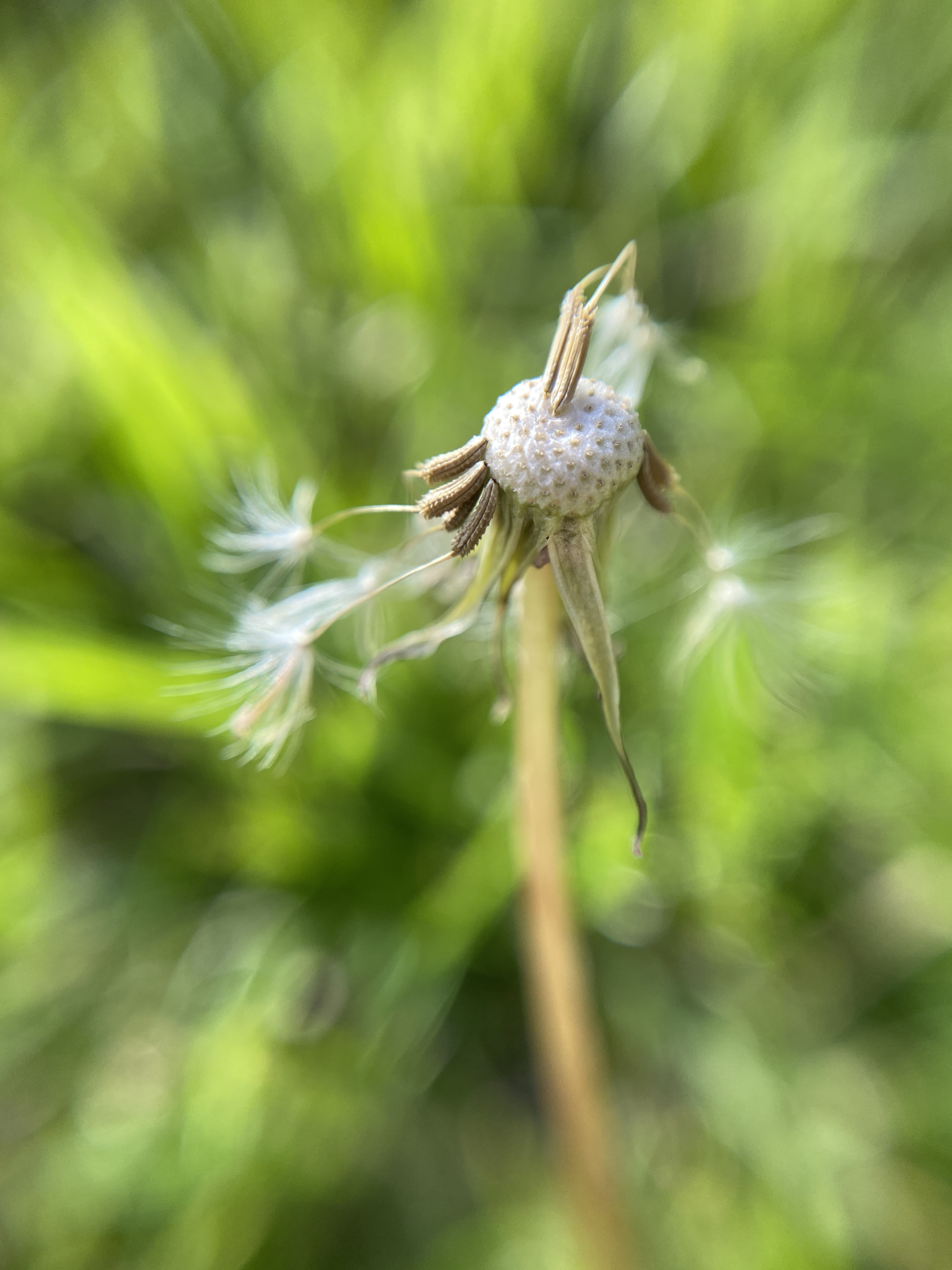
Ode to a Dandelion
Dandelion
ferocious queen of the urban forest
you stand strong and tall
in the face of all who
see you as nuisance
shape shifter
changing from brilliant yellow sun
to bleak crater of the moon
long witch fingers draw me in
after all my wishes
have blown to the wind
Dandelion
your medicinal qualities
have been lost to history
your nutritional benefits
discounted
with the label: weed
But when you polka-dot my yard
I smile
and see hope
in strength and resilience
When you are a giant puff-ball
children can’t resist you
they pluck you
inhale, then exhale
sending you out
planting seeds
of dreams for the future
Dandelion
like stars in the sky
you are too many to count
you thrive where you land
in sidewalk cracks
alongside abandoned buildings
Ferocious queen of the urban forest
grow tall, shine bright
let survival tell your tale
®Douillard

Today was my first day back with my full class, full day, now on a 5-day a week schedule. I’ve challenged them (and myself) to writing a poem-a-day during the month of April. Today I started by reading them Little Black Crow by Chris Rascka–a picture book written entirely of questions. And we revisited the poem Yellow Weed by Lilian Moore–a question poem. Then we set off to write our own question poems.
I love writing with my students–and I love when they make no hesitation before beginning to write. And better yet, when after 7 minutes, I asked who would like to share their question poem–more than half the class shot their hands into the air! What fun to hear their question poems and the variety of topics they picked to write about. And they were not surprised at all to hear than I chose to write my question poem about snowy egrets.
So here is my poem:
Snowy Egret
Feathery friend, what brings you to the beach today?
Is it the tasty orange shrimp in the low tide soup?
Feathery friend, do those bright yellow feet
bring critters near as you stomp and stir?
Are they a beacon shining bright in the salty sea grass?
When you spread your delicate white wings
do you feel like a plane
or a kite lofted into the gentle sea breeze?
Feathery friend, what do you think when you see
my eye pressed to my camera lens?
Am I intruder or a familiar-faced friend?
Feathery friend, where do you go when you leave the beach?
Do you fly away home? Do you live alone?
I look for you on all my beachside walks
my lucky charm
a sign of good fortune.
Good bye snowy egret,
will I see you soon?
®Douillard
Sometimes a photo holds a story–or wants to be a poem. This one that I took over the weekend keeps speaking to me. I’m not sure yet whether this is the story or poem it wants to be…but maybe it is a start.

Face-to-Face
In the slippery world of the sea
sea lion barks and seagull screeches
complex conversations
like those you have
with your father
about politics, where you’ll
never
reach agreement
or with your sons
about their diametrically opposed choices
for a family car
A face-off, face-to-face, FaceTime, about face
familiar faces
we recognize beyond seeing
contours engraved in the mind
connections beyond confrontation
Love that is the warm salty
blood that runs through your veins
the briny fluid that feels like home
where life began
splashing, swimming
One slides onto the rocky shore, the other
swoops down from above
joined by
difference
joined by connection
joined by
the slippery world of the sea
®Douillard

