Category Archives: Slice of Life

Research: SOL23 Day 8

When people think beach, I think most imagine warm summer days filled with water play and sand castles. One of the things I love most about the beach is that it makes research evident. It’s not unusual on a low tide day to find scientists and students out in the tidepools with measuring tapes, notebooks, and cameras capturing the status of sea life and ocean conditions.

Recently, UCSD researchers have been conducting research where they put non-toxic pink dye in the river mouth that leads to the beach so they can document how the water moves. (I’m sure there are many more details involved, you can read more about it here.). Luckily, on one of the dye dumping days, my husband happened to be at that beach and snapped a few pics.
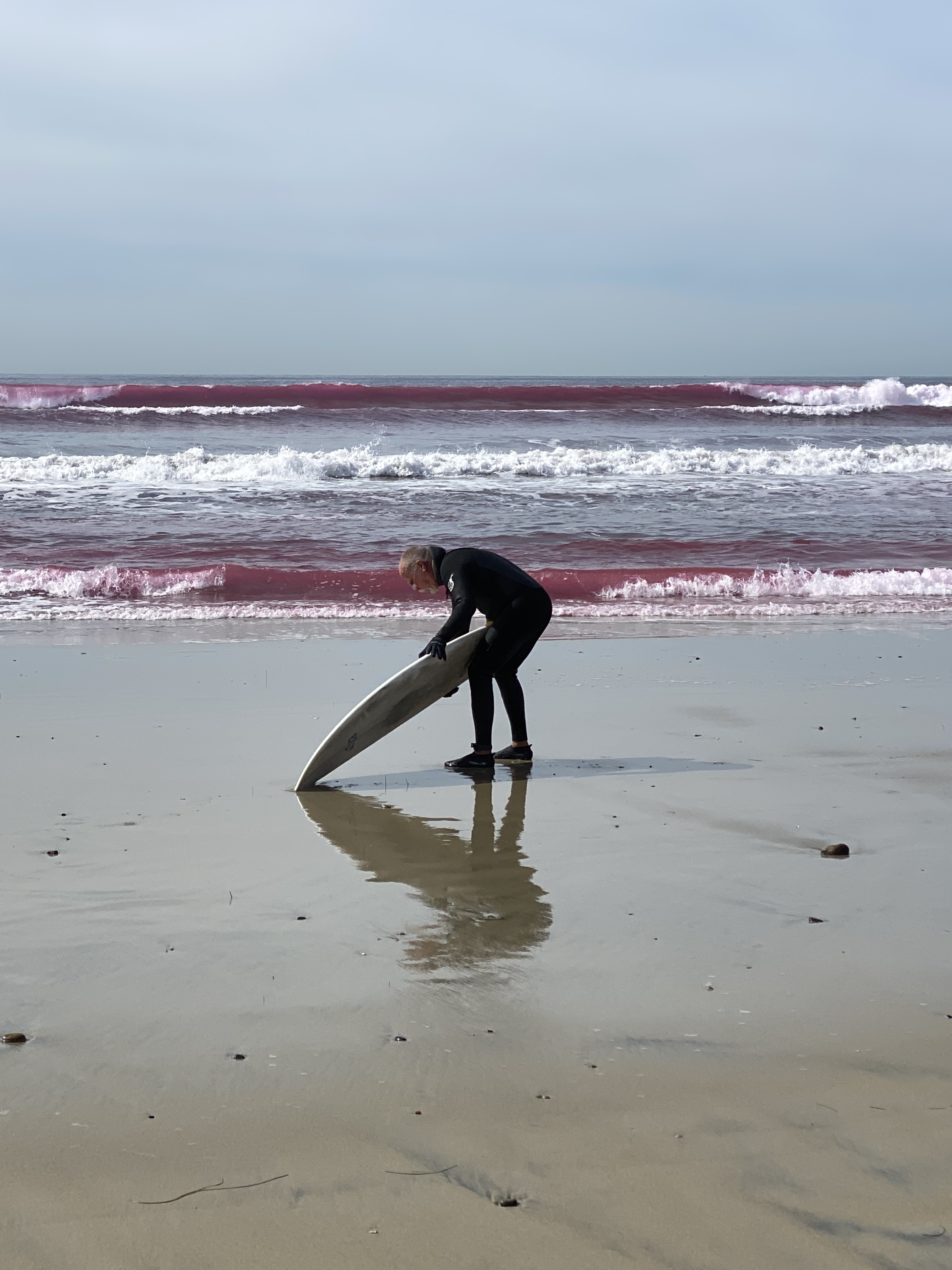
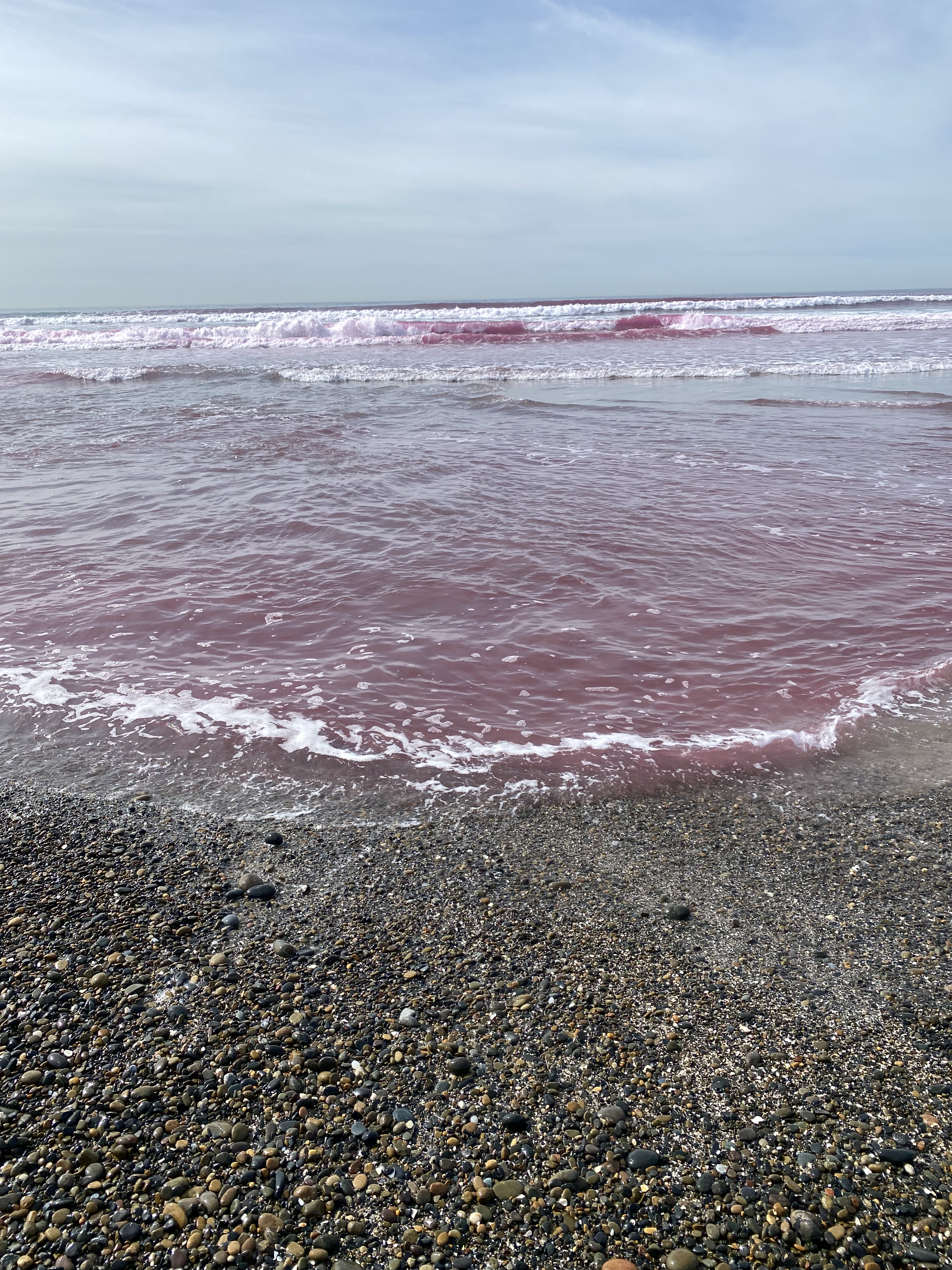
After a cliff failure (unfortunately this disaster happens all too often), research trucks with equipment mounted on the hood drives along the shoreline. And today, it was an ATV-like vehicle that seemed to have a camera or some other device mounted on it. It cruised up and down the coast, at times doing figure eights leaving deep ruts in the sea softened sand. At one point, the vehicle came back with another trailer-like device attached on the back. What kind of data were they collecting?

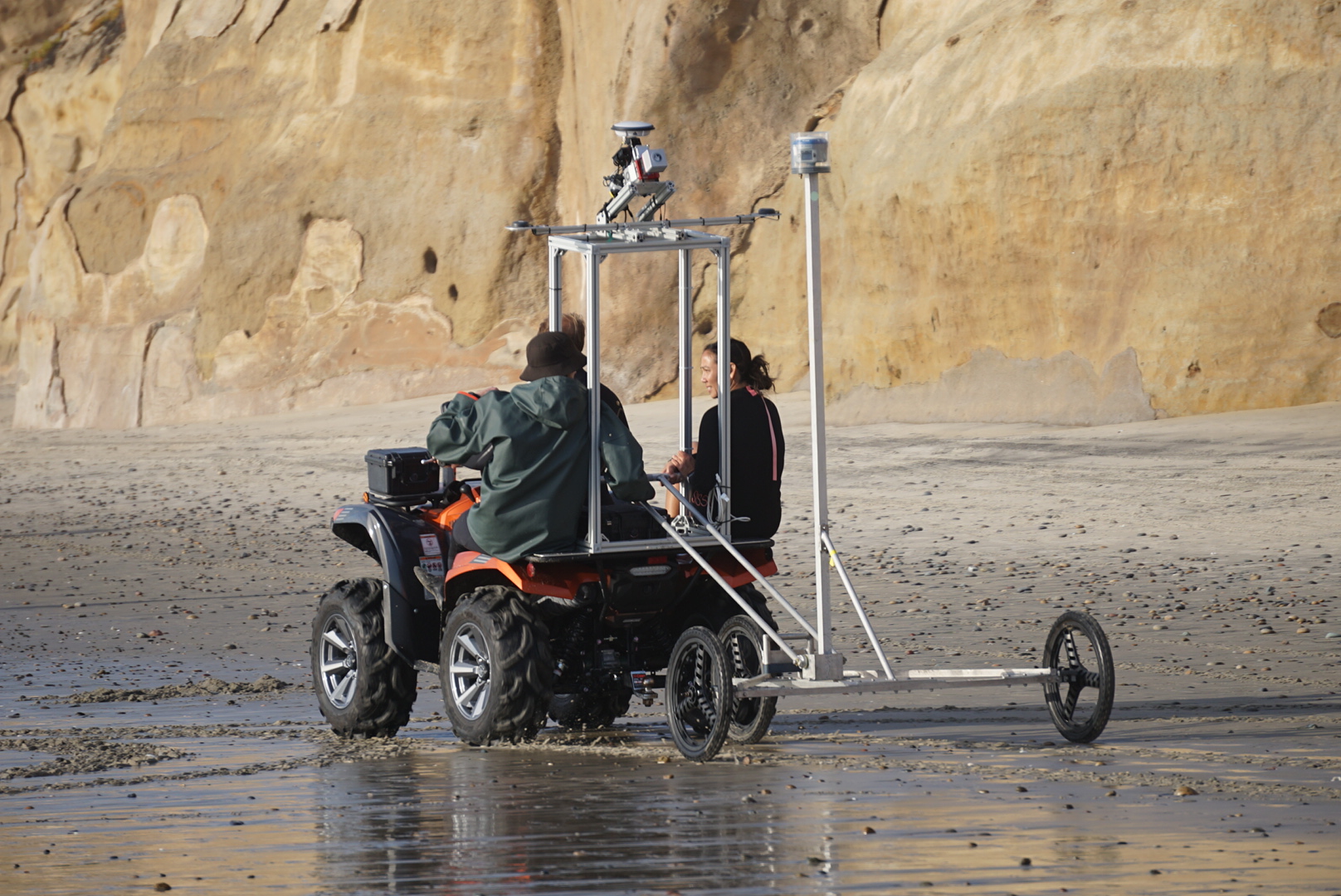
Making research visible and regular reminds us of the wonders that nature has to offer and also of the fragility of this amazing resource we call ocean. I love that I get to see research in action as a regular part of my daily routine…and that my students do too!
Art…Found: SOL23 Day 7

I love art. The kinds in museums like the MOMA and MOCA as well as many other smaller and less well known museums. I love the kind of art that kids make in school, especially the versions that allow space for individuality and creativity.

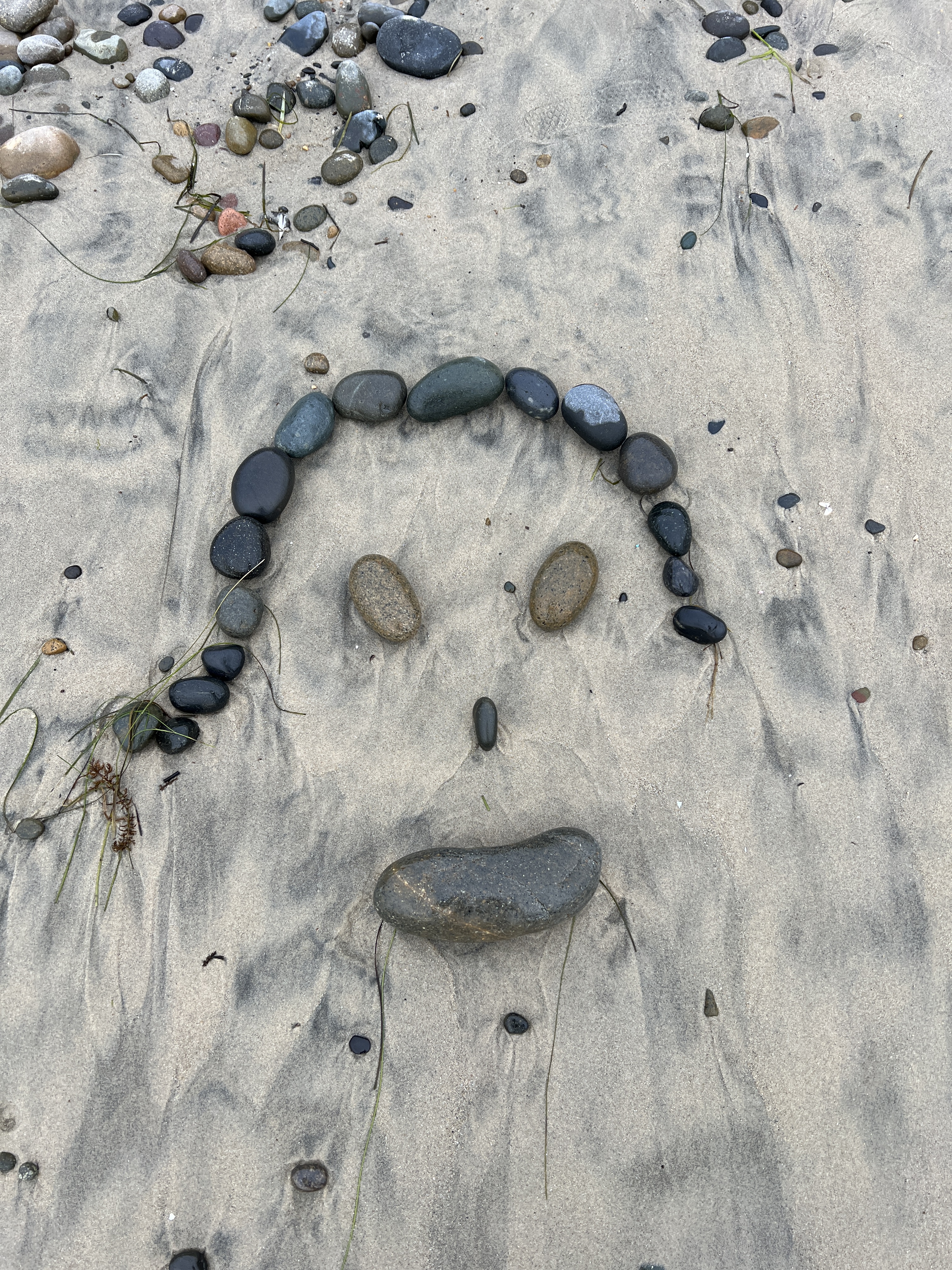
And I love the kind of art that shows up unexpectedly. Like a face peering up out of the sand, a small array of rocks, perfectly arranged to show the flip of the hair, monochromatic and striking in its simplicity.

Then there is the abandoned collection, carefully selected and arranged. Tiny shells and shiny rocks, bits and pieces of sea life laid out to be appreciated.

I love the art that is composed, either by human or by nature, with attention to an out-of-place detail that draws the eye and says, “look at me!” A single delicate blossom, maybe swirled in the briny breeze until it landed, planted in contrast to the worn edges of the sea-tossed rocks.

And the abstract composition that can only be crafted by nature’s hand, reminiscent of the polka dots Yayoi Kusama is known for, carved by wind and water. Is it art or an apartment building for sea creatures, algae, and insects?

I love that art is both made and found, and that it is open to the interpretation of the maker and the viewer. As the mom of an artist, I recognize that art emerges, oftentimes without a fully formed narrative that explains its creation, meaning, and significance. It emerges from materials, from a spark, from a moment…or from struggle, wrestling to free itself to find the light and maybe a new audience.

What art have you made, found, or supported today?

Keeper of Wild Words: SOL23 Day 6

Today we read The Keeper of Wild Words by Brooke Smith. My students were immediately drawn into this story about a grandma (Mimi) and her granddaughter (Brook). Mimi is worried that important “wild” words will disappear if we don’t use them, know them, write them, and care about them. Mimi and Brook have a list of wild words and set off into the outdoors near Mimi’s house to find the words (natural things) on the list. From wrens to dandelions, minnows to drakes, Mimi and Brook identify and appreciate all of the words on the list. In the author’s note at the end, Brooke Smith tells about her inspiration–an article about removing over 100 natural words from a children’s dictionary to make room for words like vandalism and MP3 player.

After we read and talked, we started our own lists of wild words. We had talked about how some people were already being keepers of wild words, noticing one of our students with the name River is keeping a wild word from disappearing. Of course, we had to add River to our list. You might not be surprised to learn that these southern California first graders were quick to add ocean and sunset to their lists of wild words. I had to add egret to my list–my students know I am obsessed with this quirky shore birds with the bright yellow feet.

These young naturalists were inclined to add general words–trees, sky, and clouds, so I encouraged them to be more specific. One student started writing phrases to capture her ideas more fully (she definitely wanted constellations on her list after some sky gazing over the weekend with her family).

Words matter and paying attention to wild words is another way of focusing attention on our natural world. Appreciate for and knowledge of nature and our environment is essential. I’m hopeful that the next generation will reclaim wild knowledge as they work to regenerate the resources that are on the verge of disappearing, just like the wild words Brooke Smith brought to our attention.

Curves and Angles: SOL23 Day 5

Pretty much every day is a great day to walk on the beach, and today was no exception. The weather was cool (mid 50’s) and the sun was mostly under cover, but the breeze was light and the ocean offered a nice wide walking beach.

After all the rocks yesterday (find that post here), we headed south a couple of miles for today’s walk. Rocks were few, sand was plentiful. As we walked I noticed the progress on the seawall repairs, a few brave sunbathers in bikinis, some wet-suited fishers, and a couple who seemed to be getting engagement photos taken.

As the distinctive lifeguard tower came into view, I found myself thinking about both curves and angles. Perched out on a rocky “corner,” this tower is all about the angles. It has views of the ocean to the south, to the north, and directly in front as well. And while the shape clearly has sharp angles and squared off corners, there are curves too, its shape seeming to mimic a wave swell about to break. I’d love to know more about the architecture and design process, is this shape ideal for its function?

A bit further on I spied a shore bird (I’m pretty sure this one is called a curlew). I love their long curved beaks, ideal for finding sand crabs and other tidbits buried in the sand. And as I knelt closer for a photo, the bird pulled up its wings, creating even more curves as it ran toward the water.

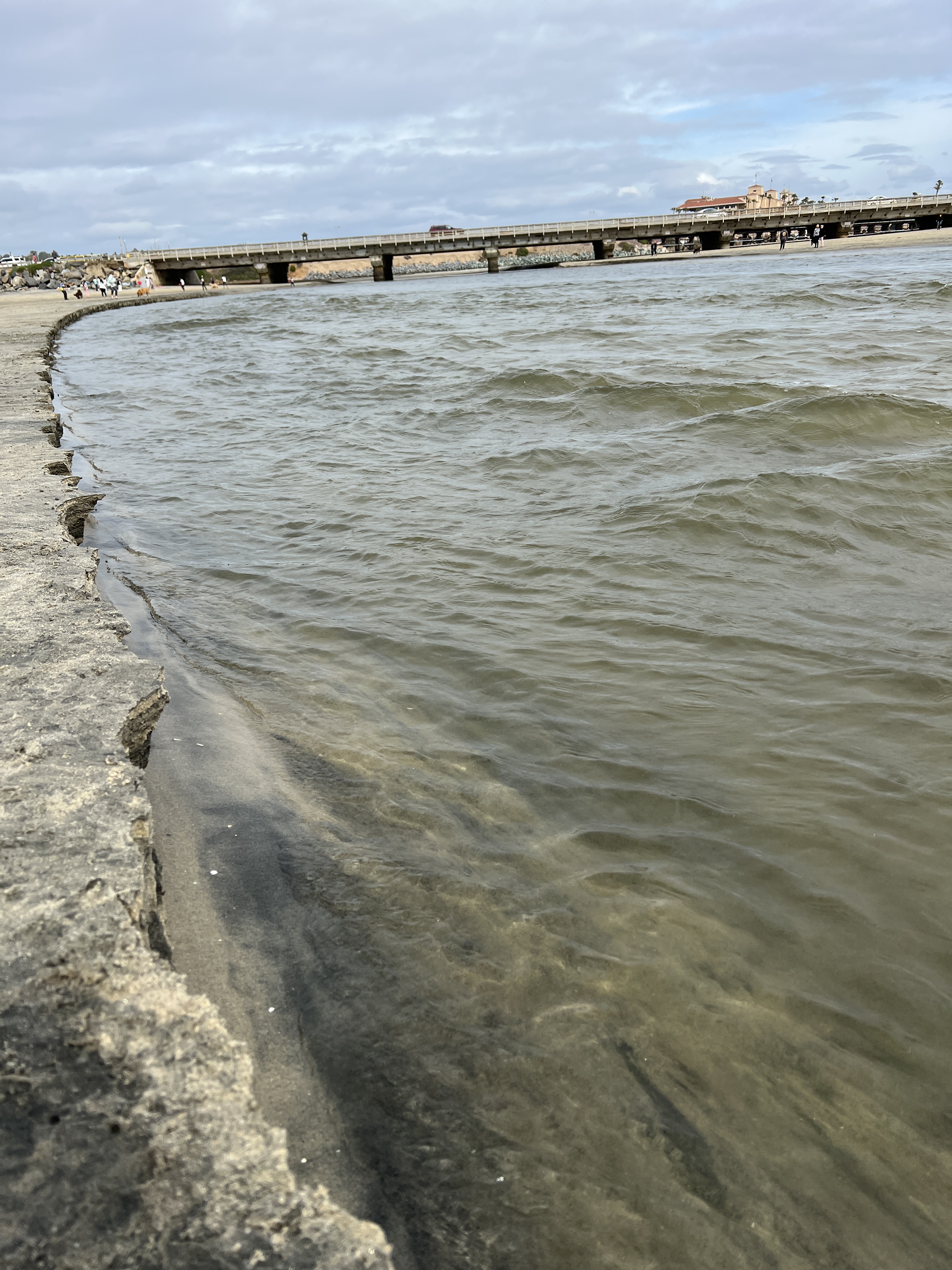
At the turn around point at Dog Beach, the channel that runs from the lagoon to the beach was full and running strong, creating a long curve angling from the bridge that also serves as part of the road along the coast. Just beyond it , if you look closely, you can see the horse racing grandstands at the Del Mar fairgrounds angled to have both a wonderful view of the horse racing as well as gorgeous color displays as the sun sets into the ocean.

As we headed back to the car after about four miles on the beach, I noticed a bright orange kite in the distance, curving up to catch the wind. I thought for sure it was a kite boarder heading down to the water with a surfboard. To my surprise, it was skateboarder (or something like a skateboard) on the sidewalk in front of the beach working the angles to propel himself along the ocean front.

I love the process of wandering and wondering as I walk down the beach. Today’s walk with all about curves and angles. I can’t wait to see what tomorrow will bring!

Rocks to Ponder: SOL23 Day 4

As I slipped and slid over mounds of rocks today, he announced, “You know, walking over uneven surfaces is good for people our age.”

What the $%@*!

I was not feeling the joys of rocks and their slippery unevenness as I walked along the beach today. And “people our age,” what does that even mean?

Hmmpf! But I must admit, mounds of rocks do not keep me away from the beach. Even though I am a bit confounded by just why our beautiful sandy beach turns into a rock monster in the fall and winter.

Then I started noticing the different rock qualities. Does smaller gravelly rock count as an uneven surface? It is definitely easier to walk on, less slipping and sliding and maybe even a bit less sweating involved.

The larger rocks, ranging in from the size of my fist to the size of my foot, definitely create more unevenness and I find myself needing to concentrate on my footing to stay upright while trying not to turn an ankle or worse. They seem to roll and rumble, mini avalanches always a possibility. And while the photo doesn’t capture it well, they always seem to be piled up on a slant.

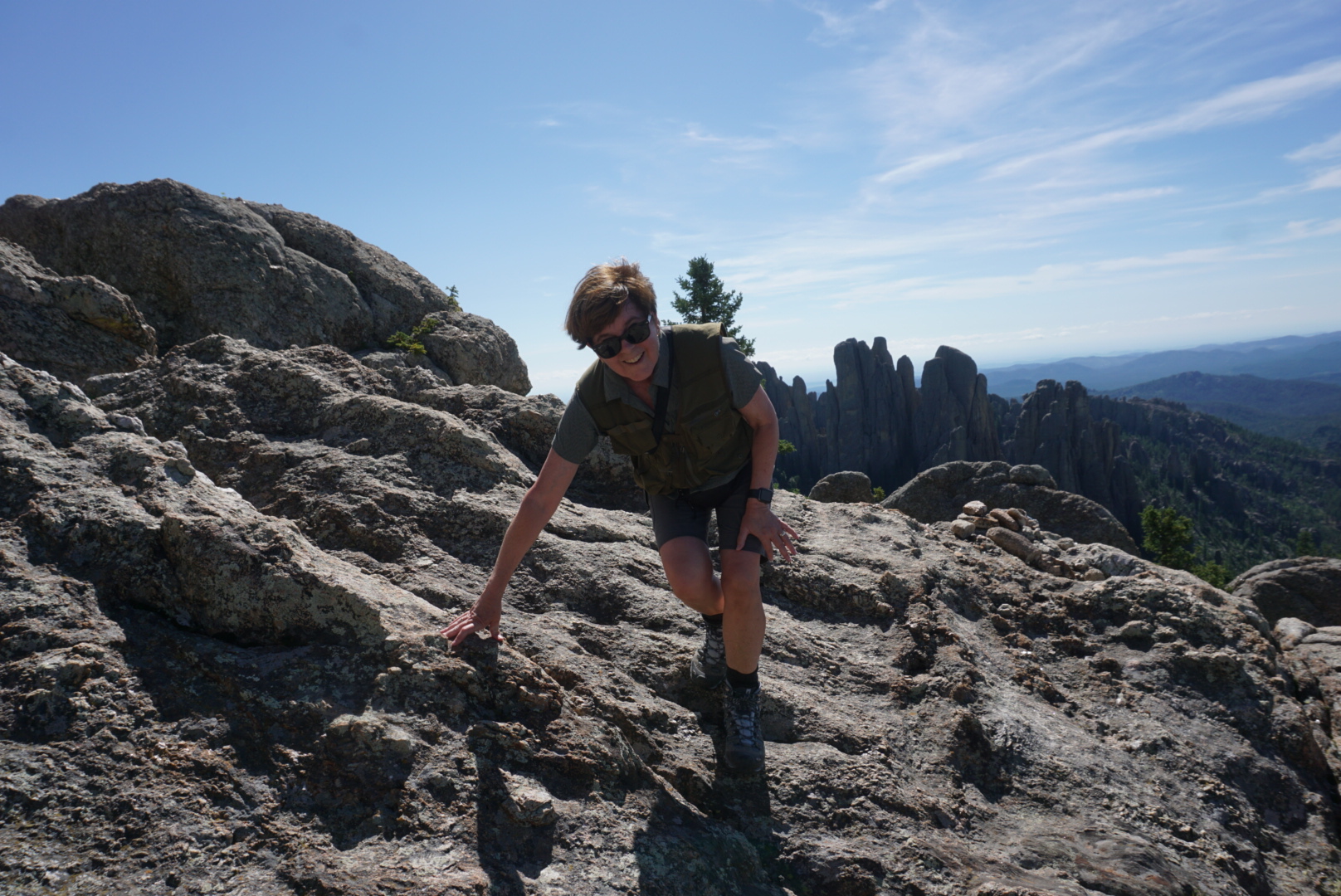
But then I started thinking about some non-beach rock experiences with much bigger rocks. In hiking terminology climbing up larger rocks is called scrambling (at least that is my understanding). My most vivid memory of this kind of climbing was on a hike in South Dakota a few summers ago where we scrambled to a peak with gorgeous views. It was not my favorite kind of hiking–lots of feeling like my feet were ready to skid out from under me. My solution was to lower my center of gravity and use my hands.

So just what exactly is supposed to be good about navigating over rocks or other uneven surfaces? I’m guessing this is about working on balance, building up the kinds of muscles that help with balance, maybe even developing confidence that traversing these surfaces is a possibility. Now I’m wondering, does this also apply to surfaces like snow and ice where footing is also sometimes in question? And is this physical activity also good for the brain where concentration and problem solving are needed, taking the automaticity that we take for granted on smooth surfaces?

Hmmm…more to ponder.

In My Boots: SOL23 Day 3

I didn’t know I needed hiking boots until I did. Athletic shoes (which I typically refer to as “tennies”) are fine for hiking, I would insist. But time off sidewalks on uneven trails or up rocks and boulders convinced me that I needed some additional support to feel comfortable, so a decade or so ago I bought my first and only pair of hiking boots.

Last week, we headed off to the Pacific Northwest to spend some time exploring Olympic National Park. And while we didn’t think we would need hiking boots for the entire trip, we wanted to have them with us. But packing hiking boots would take a lot of luggage space–and they’re on the heavy side. So we made the decision to wear our boots on the plane and to pack our tennies in our luggage.

Typically, my hiking boots get several hours worth of wear here and there. I put them on as I head off on a hike and often change back to my tennies once I get back to the car. They are comfortable for hiking–but they’re also heavy and hold my ankles pretty firmly. But last week they got nearly non-stop wear!

Day 1: on at daybreak for an early flight, off after dinner once we made our way to our hotel.

Day 2: on before breakfast anticipating a day on the snow. They work perfectly with snowshoes AND keep my feet warm. I did take them off before dinner and wore tennies to the restaurant.

Day 3: on again before breakfast as we planned a full day of rainy day hiking, off after dinner once we returned to the hotel.

Day 4: change of plans–we had thought we would wear tennies for comfort in town and on our feet all day, but predicted low 30’s weather made us decide to wear hiking boots as we explored the city of Victoria, BC. Rain was predicted (no rain), but it was cold. We were doubly thankful for the boots when we returned to snow and snowy roads as we left the ferry. Another full day of hiking boots.

Day 5: into the city, and still in our hiking boots. Cold weather + hiking boots=warm, comfy feet. By now the tennies are feeling neglected and I’m wondering why I even packed them!

Day 6: heading back to the airport. No room in luggage for hiking boots so the decision is made. It’s a hiking boots day! (And the longest day of all…finally returning home the next day at 1am!)

Six days in hiking boots. My feet stayed warm and comfortable. I had the grip I needed to deal with rain and snow and muddy trails, and no one once asked why are you wearing hiking boots?

Schooled: SOL23 Day 2

They’re everywhere. Seemingly multiplying when they come in close proximity. Some are orange, others lime green. Like a school of fish, we all move together shifting left then right, never getting out of formation for fear of an impending tumble, or worse still, a dreaded crash! If you’re lucky, you can hear them coming up behind you. If you’re not, that frozen feeling creeps up your back and you don’t know whether to move right or left or just stand still until they pass.

And they move fast! The hurry is built right into the design. No need to push off or keep the roll going with the swing of a leg. Just stand up, hold on, and go! Bikes have bells, cars have horns, and even skateboards have the click clack of wheels over concrete…but electric scooters are pretty much stealthily silent. Blank-faced riders looking straight ahead with no pretense of athletics, no helmets or elbow pads, often not even athletic footwear. Some are even actively engaged with phones, scrolling, viewing, sometimes even filming.

If only they solved the parking problem on campus or become part of the mitigation of fossil fueled commuting. Unfortunately, they seem to create their own hazards as ownerless transport left in growing herds. Maybe I need to hop on one and find their charm for myself.

Under the Influence: SOL23 Day 1

This week in my first grade class, we have been learning about Jane Goodall. My students love that, just like they do, she loves animals. I love that they recognize patience is a tool she used in her research, that building relationships takes time and effort–and sometimes that effort means just being present until trust is built. Showing up, paying attention, and caring are key.

Jane Goodall, according to her picture book biography The Watcher by Jeannette Winter, was always curious and a supreme observer from an early age. She watched bugs and chickens, recognizing that careful observation was a rich source of information.

To try on Jane’s observational skills, we headed outside with notebooks and pencils in hand to use our senses in the school pollinator garden (better known by the students as the fairy garden). The directions were simple: find something interesting, watch and notice using all your senses (we acknowledged we wouldn’t be tasting anything before we headed out), make a sketch of whatever you are observing, include writing to add details about what you are noticing.

The synergy of observing under the influence of Jane Goodall and writing outside resulted in a magical writing experience. Students were focused and engaged–there is nothing like watching a formerly struggling writer putting words independently on the page and then asking for more time because he had more to say. And the unexpected, “thank you for teaching me today,” from the high performing student–who had experienced joy writing outdoors. This experience with ordinary nature, the ants, the sticks, the fallen leaves, some lavender, a few bees, the sun on our shoulders and pencils in hand inspired us. We wrote and learned and shared under the influence of Jane Goodall and her indomitable spirit and the magic of being outside, in nature.

The Magic of Mini-Zines

There’s something so special about making things. You use your own hands and something that was once a flat blank piece of paper is suddenly something else, something you created.

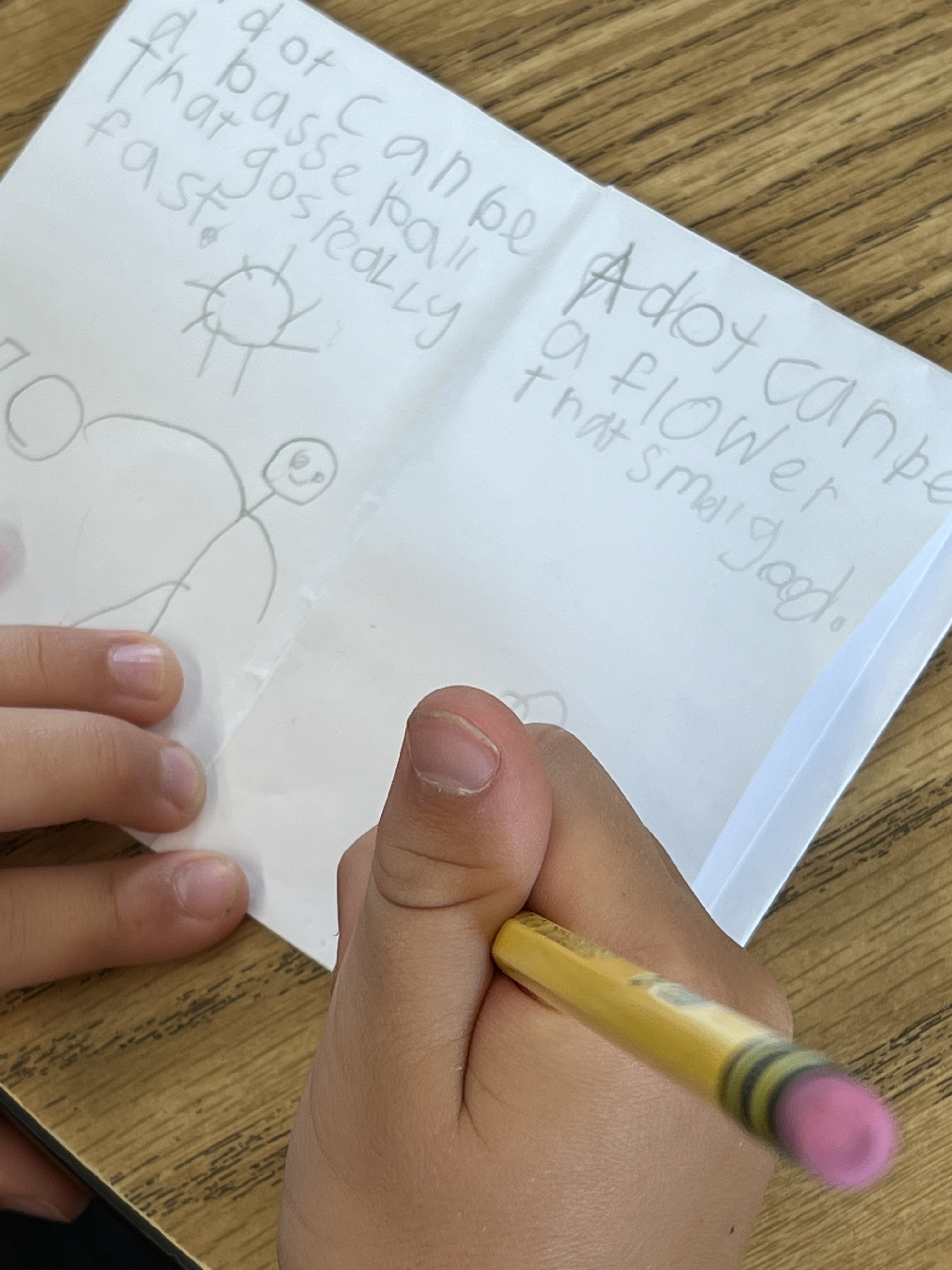
We’ve been making Zines in my first grade classroom. Our first attempt happened during our Dot Day celebration. We took a piece of printer paper, folded until we had 8 even rectangles, made a single cut…and voila! The paper became a small, multi-paged book. Those first books became our “A Dot Can Be…” zines.

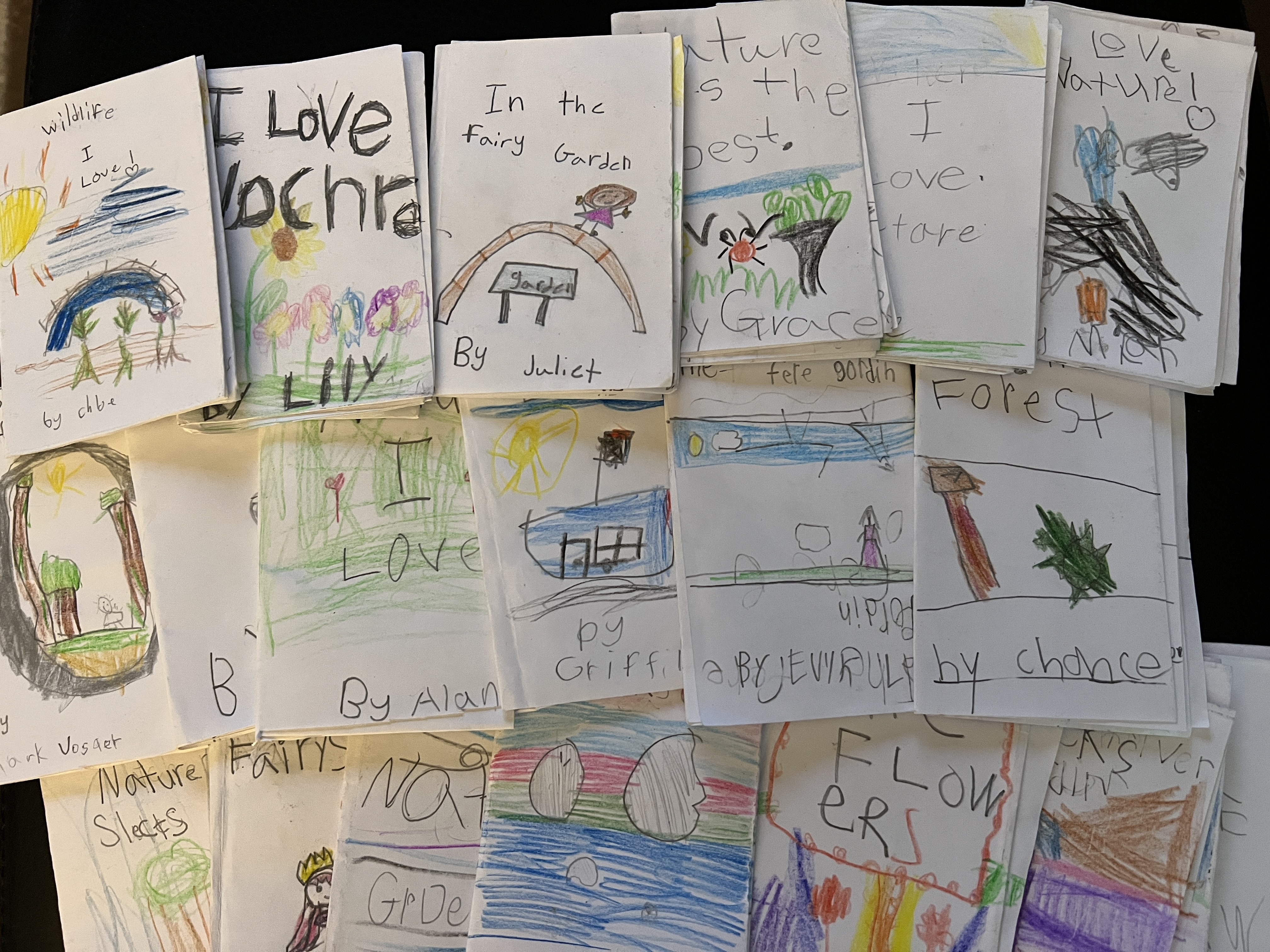
Last week in honor of #writeout, we spent some time in our pollinator garden and basin area of the playground exploring nature’s artifacts. I wrote about our experience with our nature collectors and our wonder walk here. When I left off with that post students were in the process of creating zines about the nature items they collected. What I love most about these mini zines is the agency students feel about creating them. I also like that it allows students to both “write small” and to be literary in their approach. Students who are emerging as writers might create a page that reads, “Spiders Find a Way” with a beautiful drawing of a spider on a web, while more advanced writers can write, “A rock finds a way to scrub against the tree with happiness.” The writing and creating is accessible to everyone in our first grade class. And the zines are truly tiny jewels!

And after a conversation with some colleagues on the Connecting the Network Call with the National Writing Project last week, I took their suggestion and sent blank zines (made by my students) home with students with an invitation to explore on their own at home and to make a zine on their own. (We forgot to take them home on Friday, so they went home on Monday).

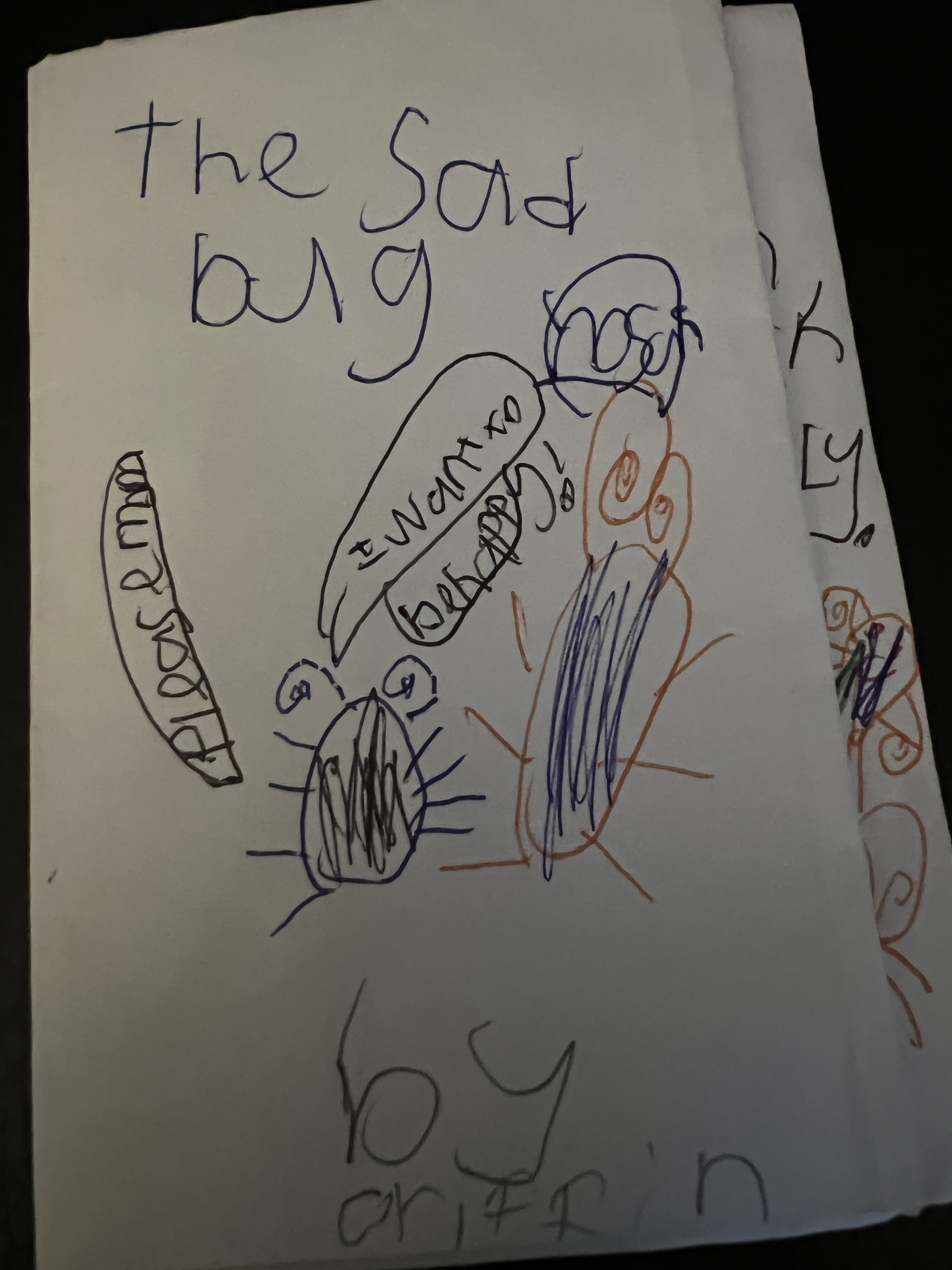
And…just like my colleagues suspected, my students were motivated to write at home. Today this lovely book came in:

My student was excited to read it to me…and for me to read it to the class! It was a delightful nature-based fictional story that involved a bug and a centipede. I’m guessing some more student-created zines may show up in the classroom later this week!

I know we’ll keep on making and writing…and making writing, both inside and outside the classroom. I’m excited about the writing community that my classroom is becoming.

Primed for Summer Writing

Weirdly enough, this school year ended with 2 minimum days–on a Monday and Tuesday. With the class party dealt with on Friday, what do you plan for those last days of school with first graders?

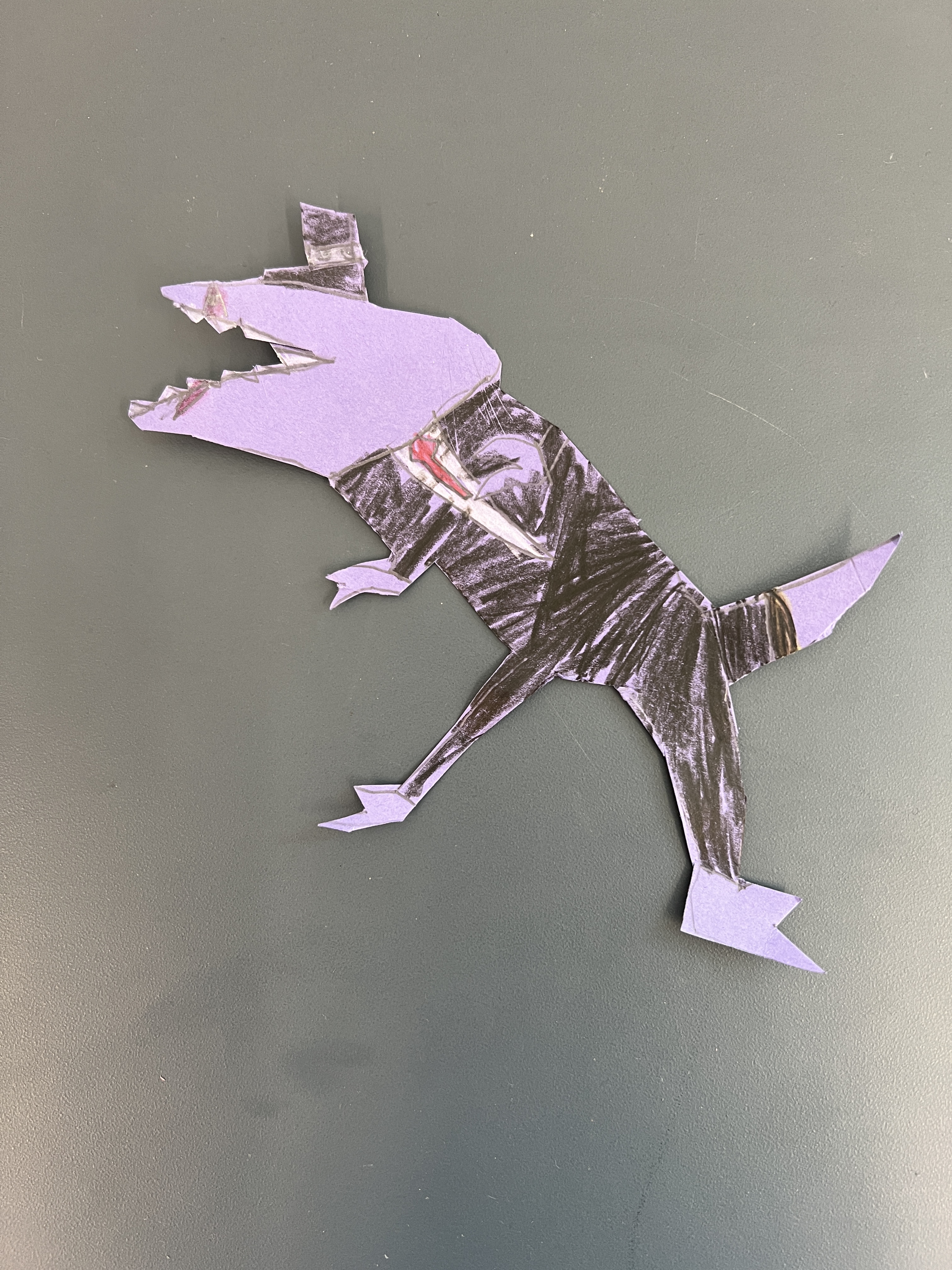
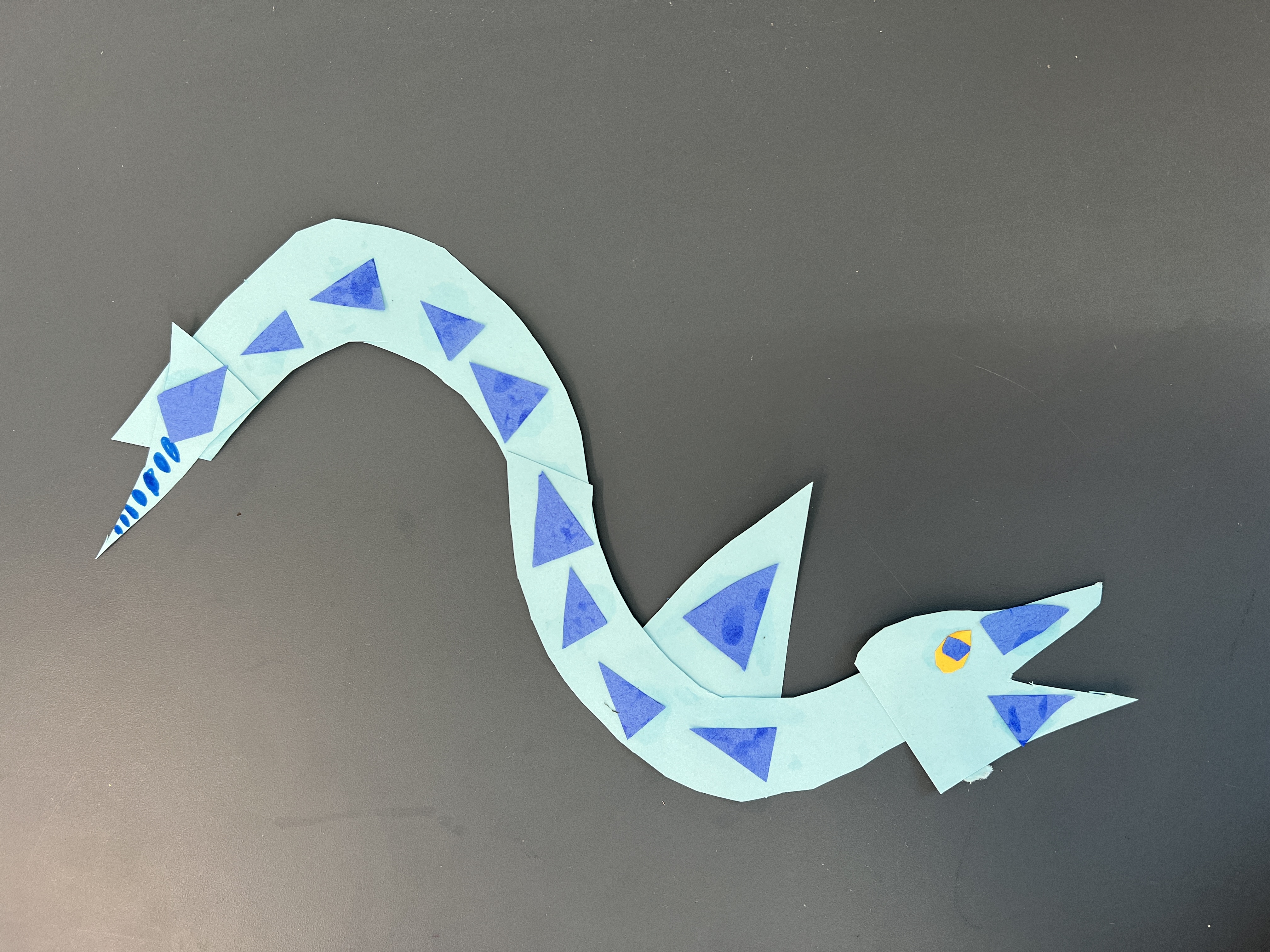
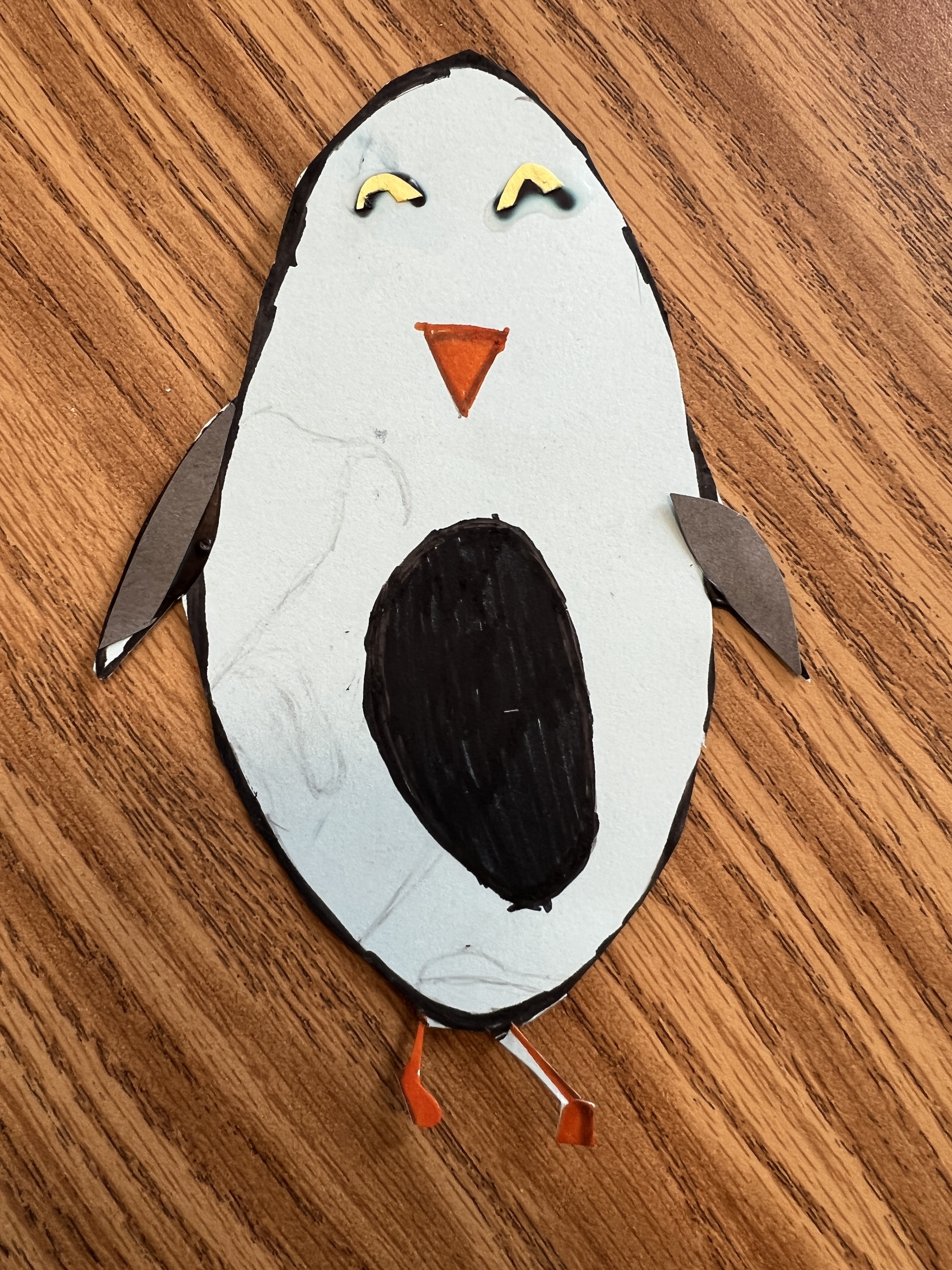
Inspired by a post I saw on Two Writing Teachers, we began our last two days of school by creating a character–a puppet of sorts–to feature in our writing and to prime the pump for some possible summer writing.

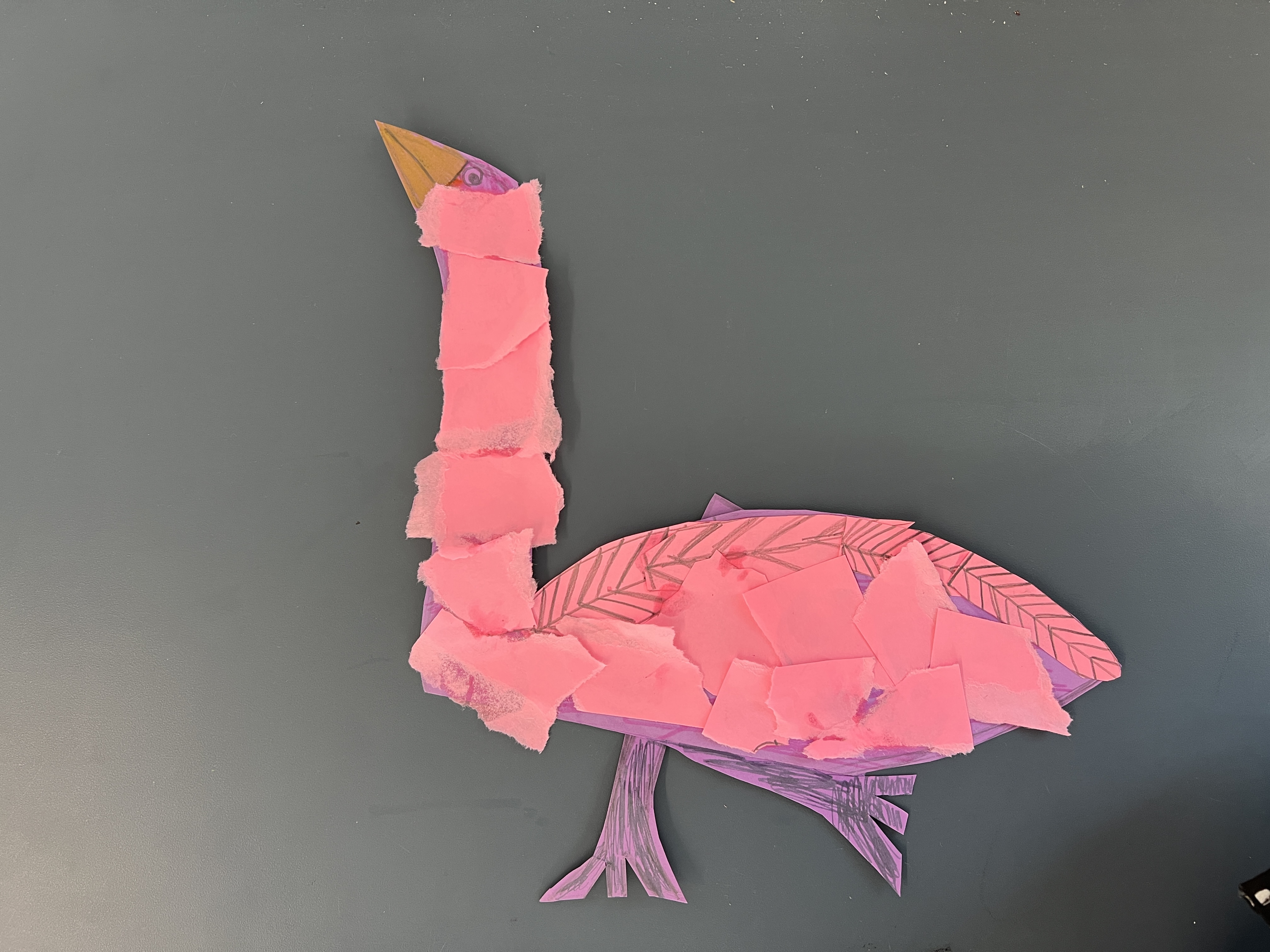
Yesterday morning armed with cardstock, construction paper, scissors, glue, markers, and colored pencils we began creating our characters. Students knew I would make an egret. (They know I love egrets and often feature them in my writing) I demonstrated one way to put a character together…and also started talking through a story featuring the character that was brewing in my head. And then they were off…

As they crafted and created they were also having conversations about their characters. They talked about where the characters lived, their special features and coloring. All the perfect pre-writing you always wish for (and sometimes doesn’t happen). I love this time in the school year when students are comfortable and confident, allowing the creative juices to flow. Once completed, we left the character puppets to dry on the counter.

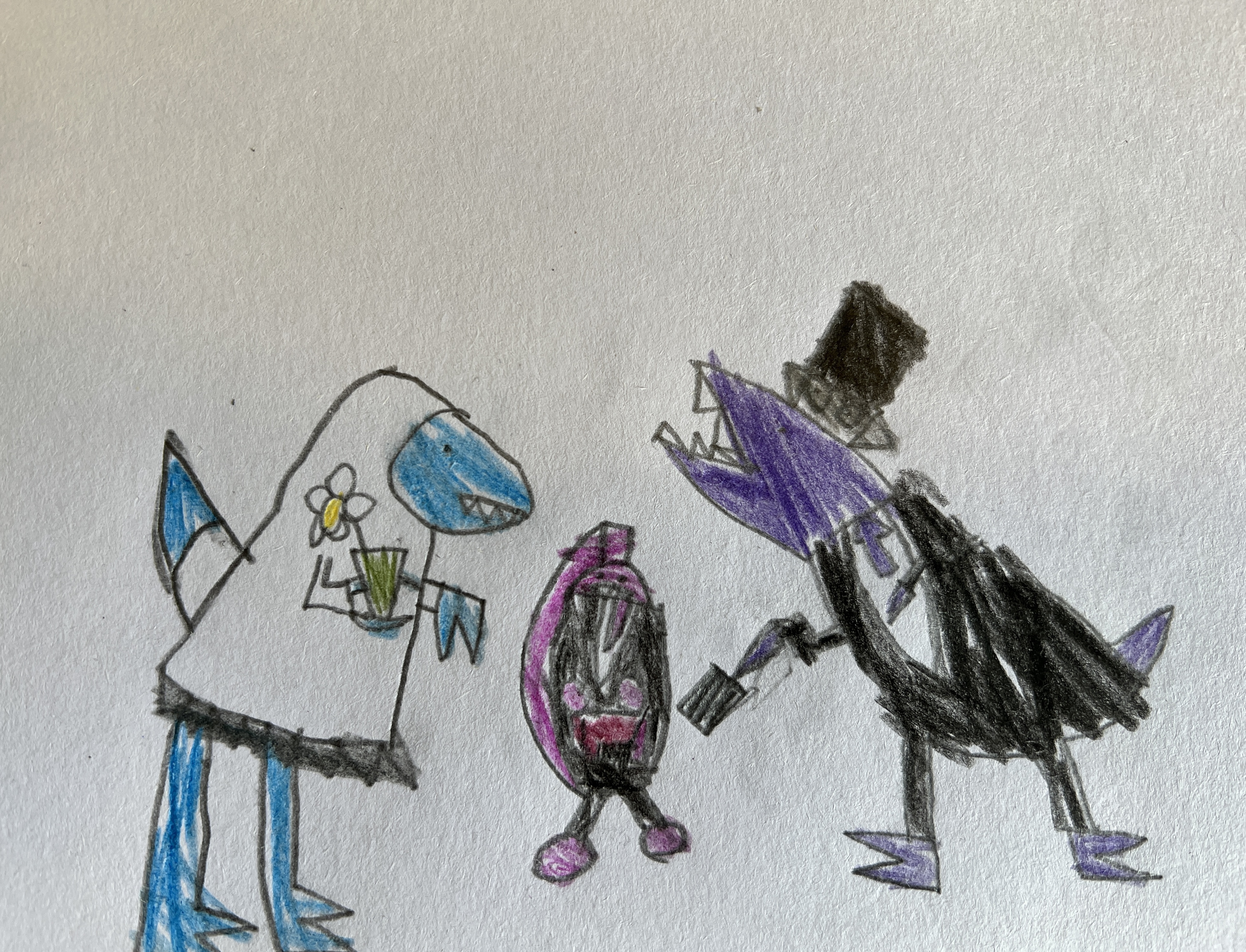
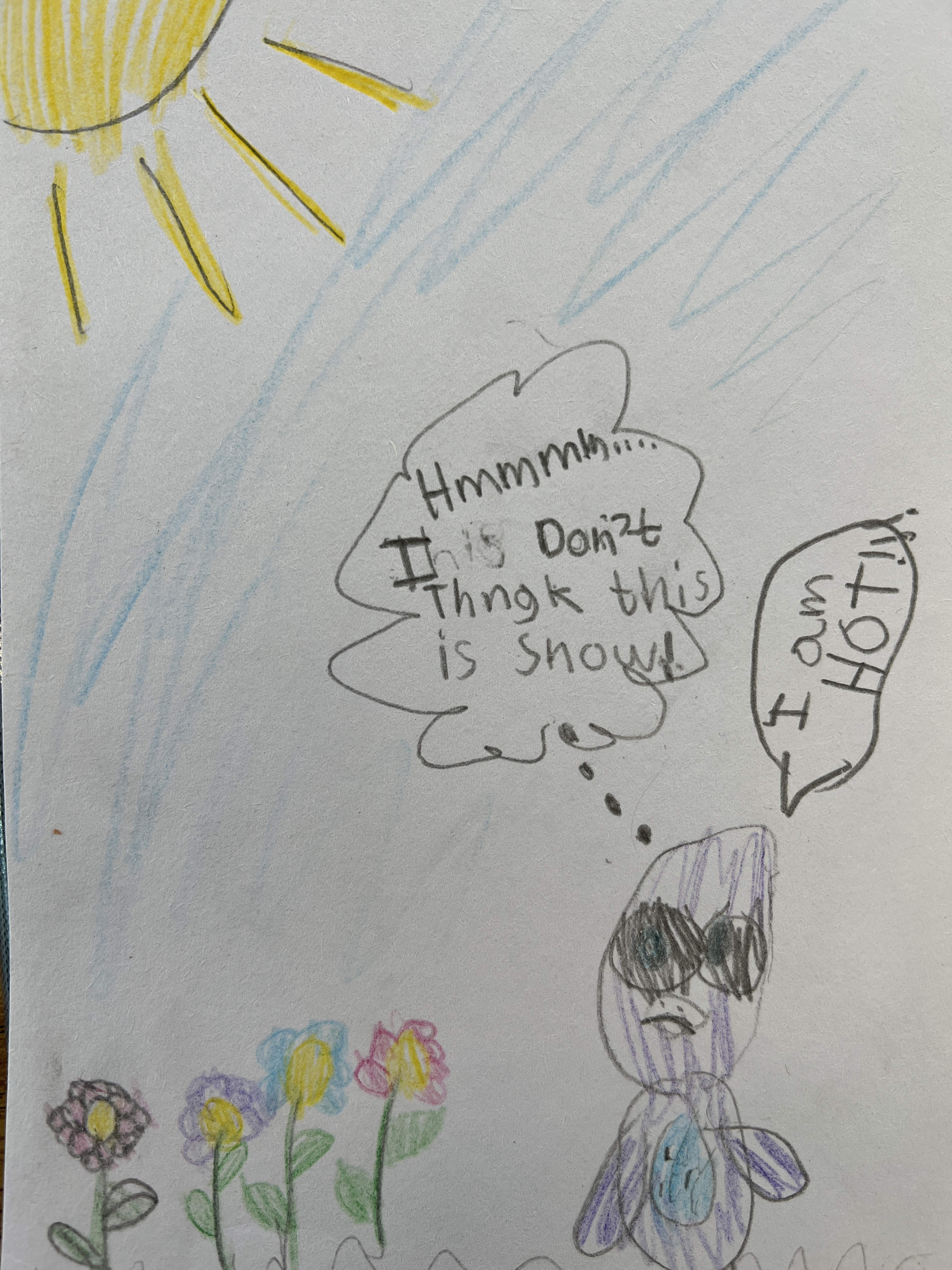
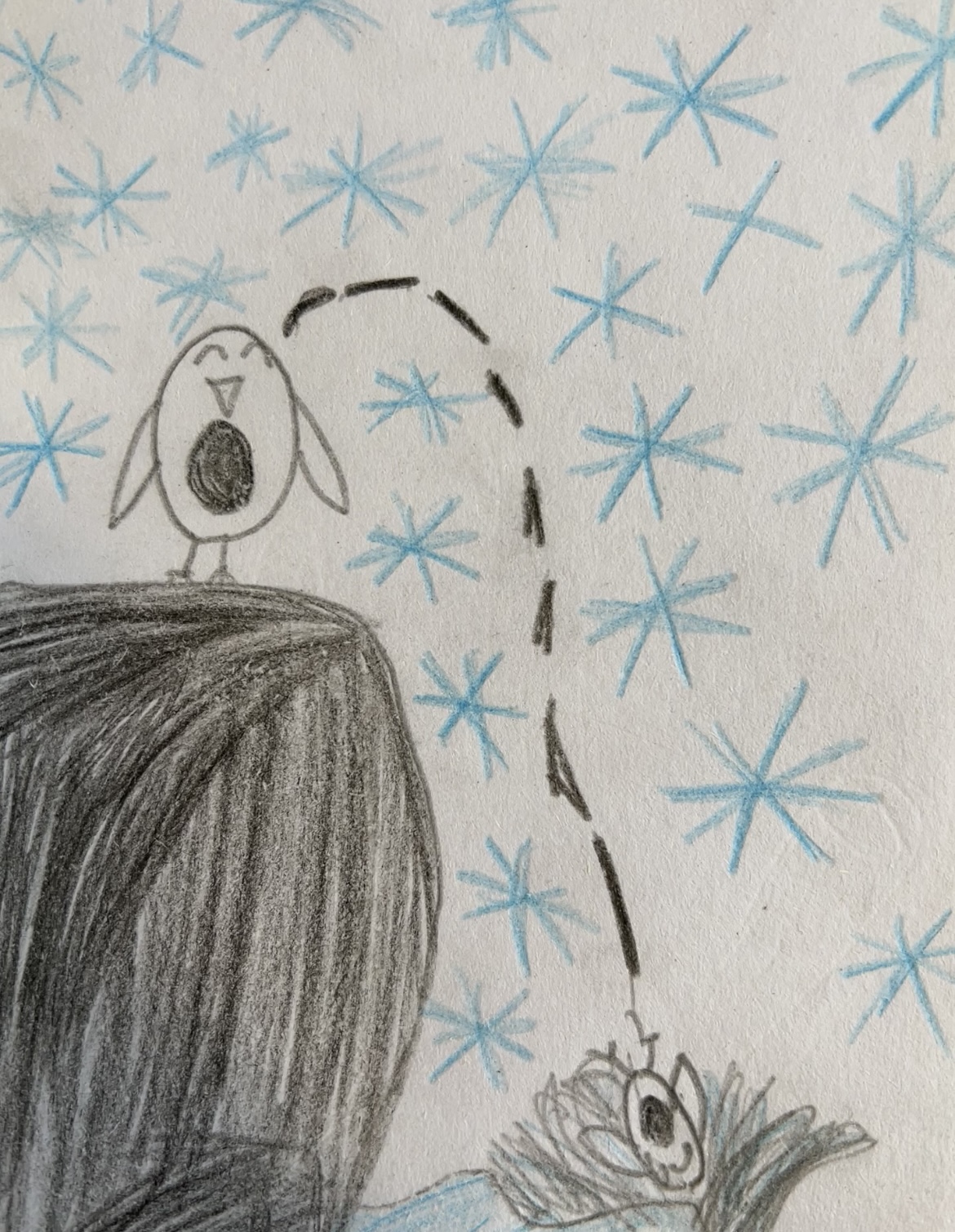
Today we began with our sketch pads, setting our characters in their places, giving them action and a problem to solve. And again, as students sketched and colored they also talked about their stories.

At this point students were eager to write. We talked about adding dialogue and thoughts, sound words, and setting. And on this very last day of first grade, these students wrote and wrote. They loved that they were filling the page (or more) with their writing. They were excited to read their stories out loud and they were willing to add even more details.

The added bonus is that they also created a list of other stories featuring this character that they may write in the next hours or days or weeks. They left with their notebooks and sketchbooks and their character in hand…and their brains primed and ready for some summer writing (I hope)! I leave the school year knowing that my students left on this last day of first grade as writers, knowing they can put their stories on the page for themselves and others to enjoy.

Would I have students write on the last day of school again…the answer is a resounding YES! It was a wonderful way to spend our last days together, immersed in this community of writers developed over the course of the school year. There were so many things that were hard about this year of teaching, which makes me even happier that these last two days were a joy…for me and for them. They and I left the school year wanting more…that wonderful bittersweet feeling of being happy and sad all at the same time.