Neverwhere and more: a book(s) review

In the last few weeks I read two books written by Neil Gaiman.  I finished Neverwhere last night and read The Ocean at the End of the Lane a few weeks before that.  I read Coraline a few years ago…and remembering some picture books I bought last year, I reread The Wolves in the Walls and The Day I Swapped My Dad for Two Goldfish today.  In some ways I’m surprised that I like these books, they are a little bit fantasy with some parable-type qualities woven in.

photo

So what do I read, you might ask?  That question seems to become more and more complicated.  If you follow me on Goodreads you may notice that I have binged on several YA series.  I’ve read the Hunger Games series followed by a number of dystopian novels including Blood Red RoadDivergent and InsurgentThe Water Wars, and the Maze Runner series (that was not my favorite series).  I’ve also read some series more in the fantasy category including The Secrets of the Immortal Nicholas FlamelThe Mortal Instruments (City of Bones…), The Infernal Devices, and Graceling Realm.  Interspersed were murder mysteries by Gillian Flynn and Danish author Jussi Adler-Olsen…and then there were the 4000+ pages of The Game of Thrones (haven’t gotten to A Dance with Dragons yet).  I’ve also read other odds and ends, novels and plenty of books for kids, especially graphic novels for the younger crowd.

But back to Neverwhere.  I read a lot.  Fiction and non-fiction, fantasy, mystery, realistic fiction, historical fiction and everything in between.  And some books stay with me longer than others. I liked Neverwhere.  Some reviewer described it as an urban fairytale.  In some ways I think that most of Gaiman’s books are fairytales of sort…maybe in the Grimm tradition.  When I think of Richard (of Neverwhere) and the unnamed narrator in The Ocean at the End of the Lane, they are both those anti-heroes who learn powerful life lessons as they interact with supernatural beings from somewhere other than the world of humans that you and I live most of our lives in. They are flawed, often seen as weak pushover types as the story begins.  They find their strength in unusual ways.

These are stories about overcoming difficulties…in many cases difficulties that the adults around them just don’t get.  When I think about Gaiman’s books I find myself thinking about the qualities of grit and resilience that we look to cultivate in our students…and that teachers need too in our current educational climate.   Neverwhere is a story about trusting your gut, learning from close observation, and hanging in there even when the going gets tough and things are scary.  It’s about feeling invisible and doing what is right anyway and finally about realizing that what you thought you needed and wanted for your life might not really be what you were looking for.

Gaiman’s books are richly layered, both readable and complex.  There are books for kids (The Wolves in the Walls and The Day I Swapped My Dad for Two Goldfish), for older kids (Coraline) and stories for adults.  And I haven’t read them all yet.  I think The Graveyard Book is up next for me.  What’s your favorite Gaiman book?  What else do you recommend?

On Symmetry

I teach symmetry to my young students each year.  As a math concept it’s about those lines, you know, the ones that if you fold a shape along lines of symmetry the shape will be the same on each side.  But in practice, in life, symmetry is more than that.

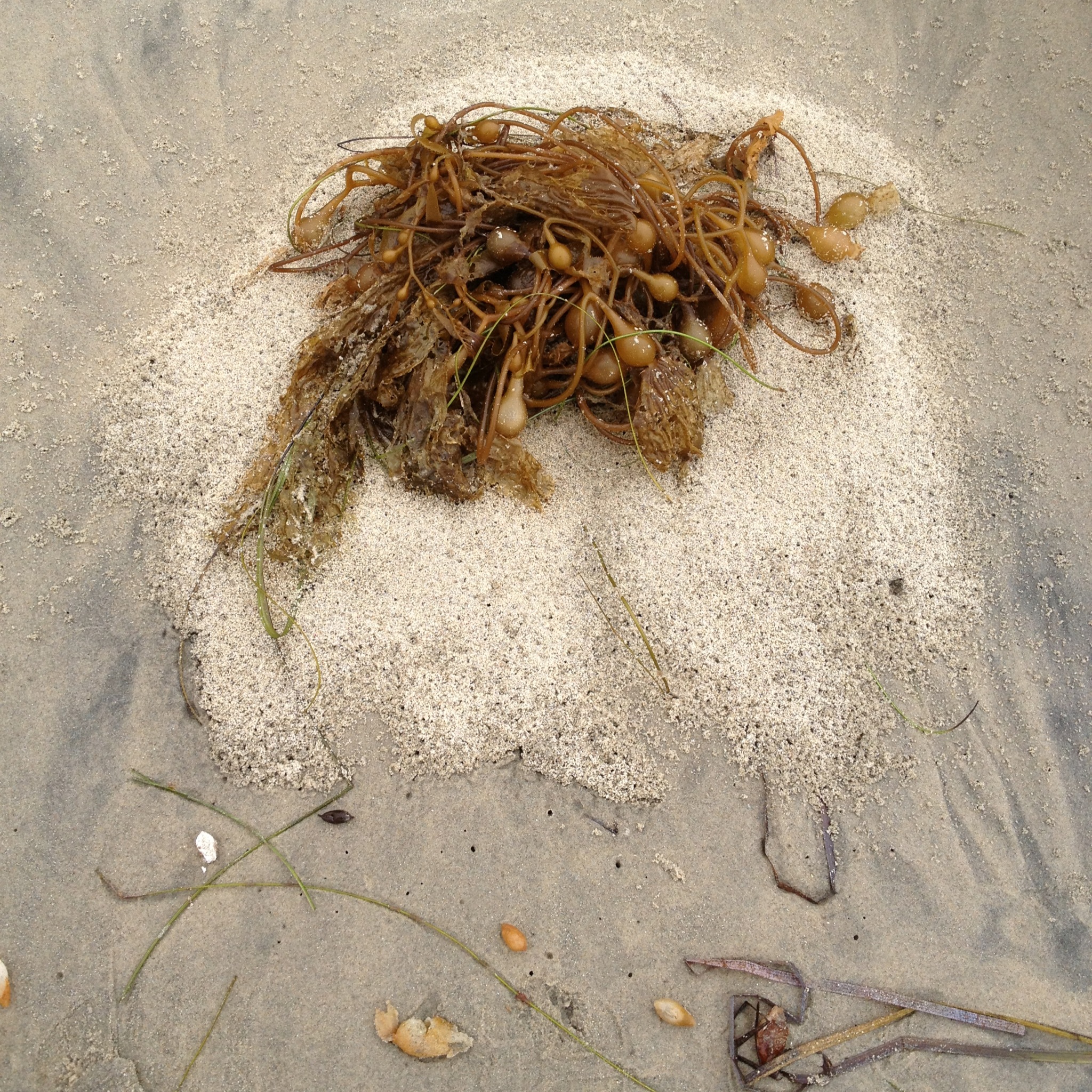
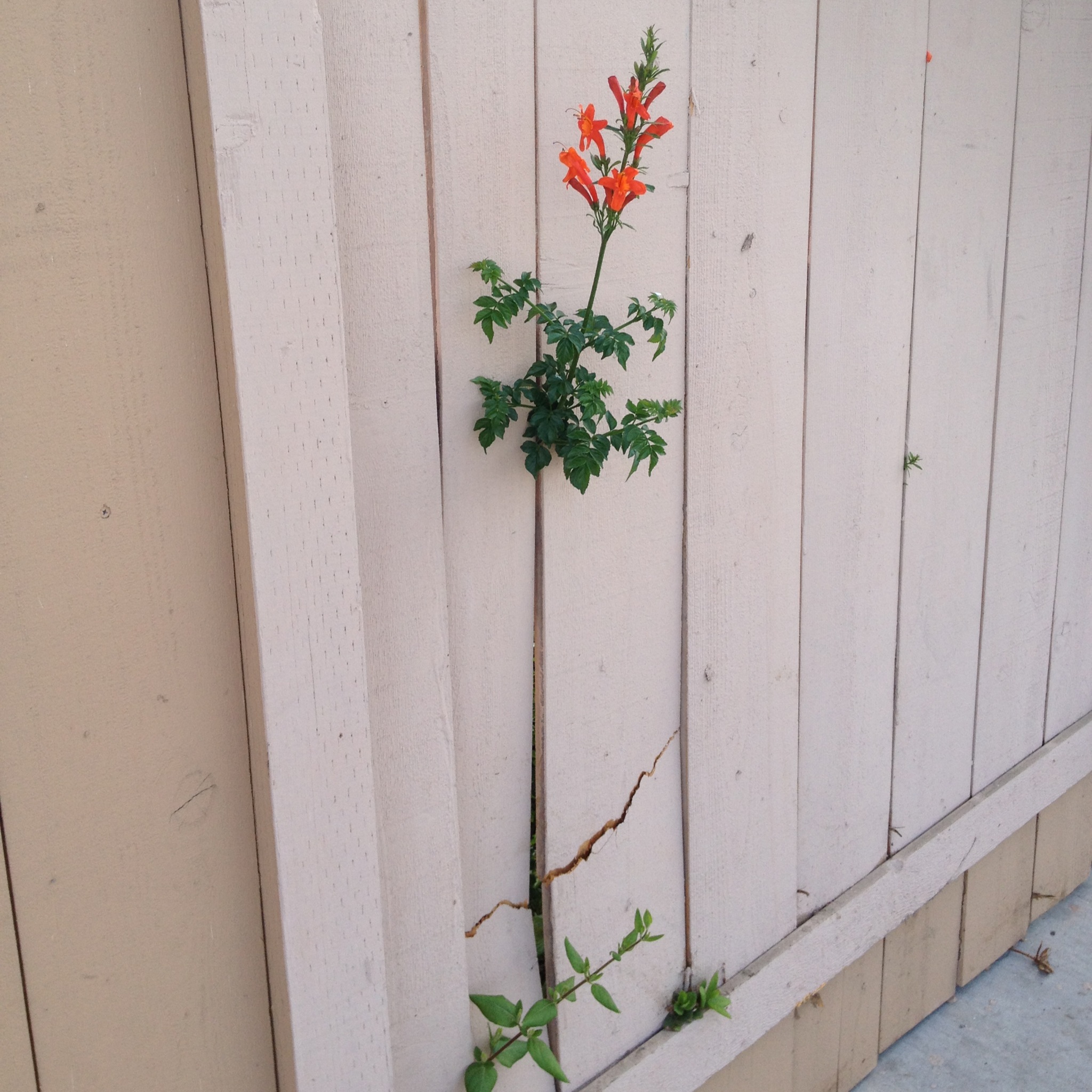
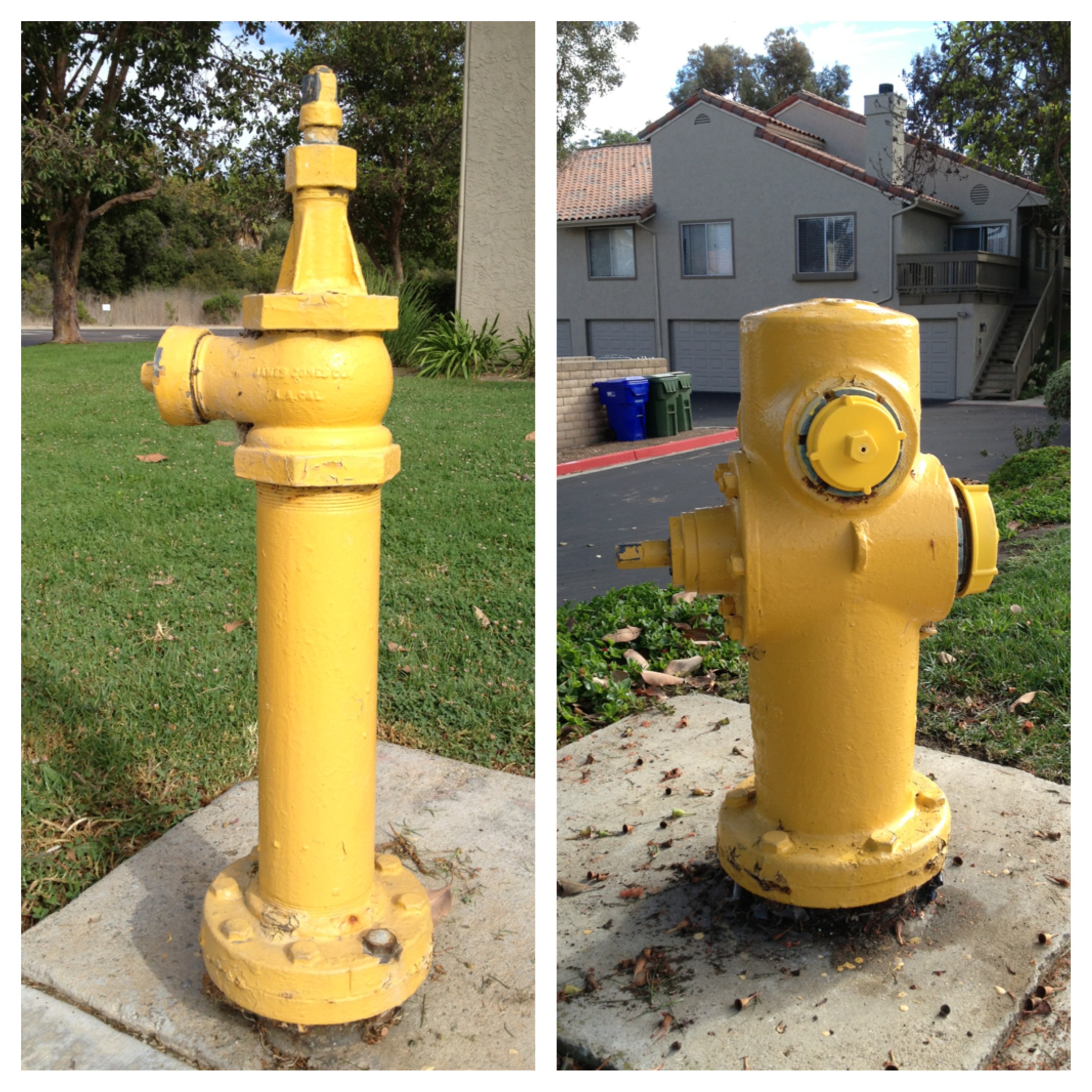
Here’s my collection of #symmetry photos for the first four days of August:

The pure mathematician might argue with the validity of my symmetry photos.  But what I love most about looking for symmetry is that I am also noticing other interesting design elements…and the places where symmetry falls apart, and the places where symmetry is intentionally absent.

Sometimes I think symmetry gets confused with balance.  You know, like the scales where you have to have equal weight on each side to make the buckets hang at exactly the same level. Sometimes I love symmetry…two sides that perfectly mirror one another.  And other times I love the impact of asymmetry, purposeful disruption of that mirror image.

Exploring symmetry makes me think about choices we make in our lives.  I think balance may be overrated.  Sometimes we simply need to go overboard–and follow our passions to the extreme.  That is where creativity lives, pushing the limits and following whims without regard to the rules of design or achieving balance.  And that’s the beauty of iteration, revision, or even failure…it gives us the opportunity to look again, try again, and see what we might do differently the next time around.  Learning is like that.

A Walk on the Beach

Today I spent time doing one of my favorite things in the world.  I took an extended walk on the beach at low tide.  I’m lucky that I live close enough to the beach that I can go without making it an all day outing, but I do live far enough away to have to deal with the lack of parking that is the hallmark of summer in a beach community.  And I love my beach walks…today was one of those beautiful summer days just perfect for a walk.

I love these walks!  At the beginning of my walk I do a lot of people watching as I navigate the families and tourists enjoying the sand and the ocean.  There are pails and shovels, boogie boards and water wings, sunscreen and snacks.  Frisbees sail overhead, paddle balls bounce and roll, footballs splash into the water, and there’s always someone trying to fly a kite above it all.  Babies squeal, teenagers preen, and surfers tend to ignore it all as they paddle out beyond all the ruckus of summer beach.

As I continue down the beach, the crowd thins and the constant and soothing sound of the surf washes over me.  The sun warms my face and shoulders, the briny breeze tickles my hair, and the cool surf plays hide and seek with my toes.  I came across this abandoned sand castle today.  Carefully crafted, yet temporary.

photo-7

As I pass the fishermen (or in today’s case a fisherboy) I start to see more shells and stop to photograph a couple that are particularly beautiful…and have me thinking mathematically as I consider symmetry (my focus for #sdawpphotovoices this week) and Fibonacci spirals.

photo-6

As the beach turns a corner I notice a seagull holding a plastic bag in his mouth.  This makes me think about how clean the beach has been on my walks this summer, and I approach the seagull with my camera both to take a photo and to get it to drop the bag so I can throw it away.  As I come closer, the seagull hops away, staying well beyond where I seem to be a threat.  I never could get it to drop the bag…

photo-5

On my way back up the beach I noticed the paddle boarders off the point we call Swamis. They each stand on a big longboard with a paddle for navigation.  Today there was a group of four out there.  From the shore it almost looks like they are just standing on top of the water!  The best of them are able to catch an occasional wave, although mostly they seem to just paddle around beyond the break where the waves start to form.  I also caught a different seagull resting on a rock, posing perfectly for me to capture with my camera lens.

photo-4

There is nothing like a relaxing walk on the beach on a sunny Saturday afternoon.  This has been a busy summer for me without much time for vacation.  I’m lucky to live where a two-hour staycation is the perfect way to refresh, relax, and reflect.

Teaching to See: The Value of Iteration

Yesterday began our August photo-a-day challenge at #sdawpphotovoices with a focus on design elements…beginning with symmetry.  Anna over at #clmooc posted this video about Inge Druckrey, a graphic designer and teacher, saying she thought I would appreciate it.  And she’s right.  It is about 40 minutes long (a pretty long video for me to watch!), but interesting on many levels.

<p><a href=”http://vimeo.com/45232468″>Inge Druckrey: Teaching to See</a> from <a href=”http://vimeo.com/et”>Edward Tufte</a> on <a href=”https://vimeo.com”>Vimeo</a&gt;.</p>

The idea of teaching to see seems to be a theme of mine since I began this blog almost a month ago.  Photography has proven to be a tool that has helped me see and look at my world in some more intentional ways.

A focus on symmetry has been challenging for the past two days.  Neither of my pictures

photo-3

photo-2

quite captures symmetry to my liking…although I’m not sure I know what that picture will be. The beauty of exploring a concept over a week is that I begin to see it differently as I continue to look for opportunities to capture that idea in my photos.

While Inge didn’t use these precise words, the focus on iteration (which we call revision in the writing world) as a way to improve your craft continues to leave me thinking about my classroom and my own learning.  It also takes me back to Malcolm Gladwell’s 10,000 hours as the time needed to gain mastery of something.  And whether that number is right or not, I do believe that we get better at things as we practice them.  But don’t get me wrong…I don’t think we need to drudge through rote and boring practice to achieve our learning goals.  For me, passion is key–finding ways to get excited about learning something new, and to make the practice interesting and motivating–iteration for authentic and meaningful reasons.  One of Inge’s students (now a professional artist) described his weekly practice of figural drawing for three hours every Friday.  He talked about it still being hard, but worthwhile–said he didn’t go to church, but he continues to keep up his practice of weekly drawing practice.

Both my photography and blogging are like that.  They are practices that require effort and time…and I enjoy the practice and the effort because I can feel myself learning and growing.  I want this for my students too–for them to develop practices that support their own learning goals.  I’ll be thinking about this as the new school year begins.  What learning practices are you considering for yourself and your students as the new school year begins?

Learning From Blue

As I have worked through photographing with a focus on a color each week during July, I have noticed that the weeklong focus pushed me to think about not only color but also composition differently.

blue

Blue…only a short three days as July came to an end…expressed itself differently than I expected.  When I originally crafted the color challenge I thought blue would focus on water…beachy things that are so prevalent in summer.  But my end of July didn’t take me to the beach or near the water as expected.  Instead, with the color in my head, blue appeared in unexpected places.  When I photographed this butterfly I didn’t even know it had blue dots on its wings. I don’t think I even noticed it was sitting on a blue chair.  What I saw was an opportunity to capture this beautiful creature through my lens.  I took a shot, then crept closer took another shot, crept closer…  I was amazed that the butterfly let me get so close.  Maybe it could sense my appreciation.

I find myself looking at the world around me as an opportunity for composition.  And I’m also thinking about the ways my eyes see things differently than my lens does.  Sometimes it’s the light…and my camera captures a silhouette where I see color.  Other times I can clearly see that bird in the sky…and my camera records a spot.  It’s a reminder to me that our lens shifts our view and understanding of the world.  We can look at the same thing and understand it differently.  It’s important for me to remember that what I see and understand doesn’t necessarily represent what someone else sees and understands through their lens.  And looking at those differences creates an opportunity to learn from one another.  As Margaret Wheatley reminds us in her text Willing to be Disturbed:

We live in a dense and tangled global system.  Because we live in different parts of this complexity, and because no two people are physically identical, we each experience life differently.  It’s impossible for any two people to ever see things exactly the same.  You can test this out for yourself.  Take any event you’ve shared with others (a speech, a movie, a current event, a major problem) and ask your colleagues and friends to describe their interpretation of that event.  I think you’ll be amazed at how many different explanations you’ll hear.  Once you get a sense of diversity, try asking even more colleagues.  You’ll end up with a rich tapestry of interpretations that are much more interesting than any single one.

This is what I love best about the photo-a-day challenge…I get to explore my own lenses and see what my friends and colleagues see through their lenses.  And I know this openness and exploration helps me beyond photography…into my classroom, with my fellow educators, and out in the world.

Connected Wondering

A friend of mine gave me two books the other day.  One I have read all the way through and the other I have browsed through.  They are alike…and they are 100% polar opposites.  The first, more of a coffee table/picture heavy book is called A Lifetime of Secrets by Frank Warren. Warren invited people to send a secret to him on a postcard or in a letter that he curated as an art installation.  They range from unthinkably horrible to silly, yet their arrangement and juxtaposition creates a powerful message.  This idea of sending anonymous secrets on the back of postcards is an interesting one–and one, and one that people seem to get relief from the sending…and maybe relief in reading the anonymous secrets of others.  Here’s a related website.

The other book is The Book of Awesome by Neil Pasricha.  This is a collection of little things that make people happy…like when you find cash in your coat pocket or the grocery store opens up a new line just when you think the wait is endless.  Each is written as short vignette–as short as a sentence or two to as long as a couple of pages.  This book also has a related website where people can submit their own awesome moments (in 1000 words or less).

What strikes me about both of these pieces is the way people want to connect–even if it is anonymously.  People seem to have an urge to know that those things that burden or delight them also resonate with others, that they are not alone.  Like these water lilies I photographed today, tangled connections seem to help us as we live and grow.

photo-1

So as my thinking often does, I came back to the classroom with my thoughts about these books.  So how does the sharing of secrets and the sharing of awesome moments connect to the classroom?  I’m thinking about all those little things we do in the classroom to establish a trusting, cooperative, and collaborative community.  The ways we work to support each other in spite of our differences.  And a lot of that happens through writing–just like it did in these books.  Our writing uncovers our lives and lets others in.  It exposes our interests and our fears, our hopes and our dreams.

In response to my thinking about establishing a genius hour in the classroom in yesterday’s post, another friend commented about her experience seeing “wondering walls” in classrooms where students wrote down their questions–those things they are wondering about.  I’m already thinking about how a wondering wall might serve as an entry place for developing student-generated projects…and for encouraging students to use their classmates wonderings as springboards for their own.  Would that be like Postsecrets and The Book of Awesome — a place to connect and learn from each other?  A way to develop community and create collective interest as we pursue our individual wonderings?  What do you think?

Spaces for Learning

I’m seriously thinking about how to incorporate 20% time or a genius hour into my classroom this year.  I want to create spaces for student-initiated learning.

The idea of passion-based learning–learning that students are motivated to do for their own reasons–appeals to me because of my experiences following my interests and passions as I learn.  I’ve been known to tell people that I’m not a good students (in spite of my advanced degrees).  That’s because I’m not particularly interested in doing other people’s assignments unless they are meaningful to me.  And yet when I’m interested in something I pursue the topic relentlessly–uncovering information and testing and trying my own approximations as I learn. My photography is an example of passion-based learning.

photo

And then I’m a teacher by profession.  That means I give assignments to others to do.  And a lot of the time my students do those assignments willingly and really do learn.  But at other times they are resistant–for a variety of reasons–like me.  And yet, I know that learning is deeper and lasting when it is personally meaningful.  I have always worked to create meaningful learning opportunities for my students–and yet, I feel like I can still do better.

So how do I create time for self-initiated learning in a classroom full of kids?  What structures will make this opportunity doable?  What impact will this passion-based learning have on other learning in the classroom?

And how does being connected increase students’ learning?  Can using their blogs amplify their learning experiences?  What about opportunities to collaborate with other students in the classroom?  Can we bring outside experts in using digital media?

I have a lot to think about and plan for before now and the beginning of the school year in less than a month.  If you have ideas or have made this work in your context…please share!

The Silent Hand of Design: August’s Photo-a-Day Journey

I’m now just a few days away from a full year of participation in photo-a-day.  This daily practice of taking intentional photographs and posting each day has had a profound effect on my photography skills–and on my powers of noticing in the world.

For the last few months, my #sdawpphotovoices friends and I have been exploring different prompts to push our creativity.  We’ve been inspired by Picasso and Neil Gaiman and last month we spent each week focused on a single color.

I recently came across this Ted Talk by Rob Forbes who talks about design within reach.  He takes about 5000 photos each year, capturing interesting design elements.

I love the idea of the silent hand of design uncovered in the photos he takes.  Unexpected patterns and textures, angles and curves, symmetry and technology pop up in our everyday lives when we take the time to look.  Forbes suggests that the first job of design is to serve a social purpose and that the best design preserves diversity and culture.

For the month of August, let’s focus our photography on design.  Each week we will focus on a different element…and at the end of the week we’ll reflect on our photographs and curate our own observations and learning.  (I am cross-posting this at SDAWP Voices where Barb will create a link up for us each week)

photo-4

Take a picture each day that somehow captures the design element and post it to Instagram, Twitter, Facebook, or Flickr using the hashtag #sdawpphotovoices.  (You can post anywhere—if you want others to be able to follow your photos, Instagram and Twitter are best!)  For more information about posting click here.  At the end of each week let’s add an additional challenge:  curate your pictures from the week and select one to highlight.  You might post it on your blog along with some musings about why you selected it.  If you don’t have a blog of your own, you have a couple of choices—you can create a blog (be sure to share it with us by including your blog address in the comments here—or better yet, tweet it using the hashtag #sdawpphotovoices) or you can post to the SDAWP Voices blog.

August 1-4:  symmetry

August 4 or 5: reflect on your week and share your thinking and picture (or collage) on the link up

August 5-11:  curves

August 11 or 12:  reflect on your week and share your thinking and picture (or collage) on the link up

August 12-18:  angles

August 18 or 19:  reflect on your week and share your thinking and picture (or collage) on the link up

August 19-25:  patterns

August 25 or 26:  reflect on your week and share your thinking and picture (or collage) on the link up

August 26-31:  repetition

August 31 or September 1:  reflect on your week and share your thinking and picture (or collage) on the link up

As an extra invitation, at the end of the month, pick your five favorites to inspire a bit of writing or art or something else you want to make.  Be sure to share your creativity and what you discover through the process.  I can’t wait to see what our focus on design elements will reveal!

Basketball Hoop with #Green Backboard

This week’s photo-a-day theme was green.  Finding green was easy…plants and trees are everywhere!  The challenge for me was to find interesting photographic subjects beyond the beautiful plants, leaves, stems, and buds that caught my eye.

And I took some beautiful pictures this week.  (Check out yesterday’s post for some examples)  And I also took a number of photos this week that I like and didn’t post.  I have a great one of green tomatoes that I’ve been tempted to use.

So I’m going to highlight my most puzzling photo for the week.  I took this photo of a ragged basketball hoop with a green backboard at a local elementary school where I attended a workshop this week.  The school is older, but well kept.  There are interesting art installations on the grounds and a super cute garden.  The only thing that seemed out of place was this particular basketball hoop with the green backboard.

photo

There were other basketball hoops nearby–all white, and with intact nets.  So why is this one green?  And why has the torn net not been replaced?  I think there is a story here…or at least one developing in my mind.  What story does this image suggest to you?

And then…this is the perfect picture as green ends and we move to blue…

A Macro Kind of Day

Today was a macro kind of day.  There’s this funky little shop in Leucadia that I’ve been wanting to visit for a while.  I love the way it looks…the green building, the orange fence, and the wonderful old truck used a planted filled with succulents.  It’s called Glorious Gardens Landscape and they specialize in succulents and xeriscape (drought tolerant landscaping).

photo-1

I wandered through the cacti and succulents in this tiny outdoor storefront.  Succulents are like plants from another world.  They have unusual colors, sharp angles and often geometrical design elements, and many sprout crazy flowers like flagpoles waving a celebratory banner.  I am drawn to them.  They remind me of some of my favorite people: resilient and quirky!  These people listen to their own drum beat and persist and follow through with what others often see as crazy dreams or unrealistic projects.  Lucky for our students–many of these people are educators working to make a difference in the world!

While waiting for my plants to be potted (yeah, I couldn’t resist!) I spent some time with my macro lens looking closely at these fascinating plants.  Here’s an assortment (using the app fuzel) of some of the images I captured.

photo.PNG

I fell in love with this particular plant today…in shades of gray.  It’s both delicate and sturdy.  Intricate and simple…and simply beautiful.  And in it’s macro close up, I feel like I am looking at it eye to eye.  It’s looking closely at me while I look closely at it.

photo

What do you notice when you have a macro kind of day?