Tag Archives: iphoneography

Generating Questions–Photo Style

On this last day before my students arrive for a new school year I squeezed in that last (and infrequent even during the summer) leisurely morning in bed, ran a few errands, did a bit of work unrelated to the classroom, and pushed myself to fit in some exercise.  (Exercise is one practice I have yet to firmly establish in my life!)  And on that brisk and fairly long walk I wondered what I would write about today.  The last thing I want to do on this blog is rattle off the mundane details of my life.

Lacy (@nowawake) reminded me this morning on a conference call about her variation on a design activity I had worked on at the Intersections Design Institute in Denver where photography was used as a venue for science learning.  In her variation, Lacy takes pictures that generate science questions (check #sciencequestions on twitter for some examples) as a way to create curiosity and genuine inquiry.  I’ve been taking these science question photos for a while now–but haven’t posted any of them.  Somehow, today seems like the right day to highlight some of these questions.

I was thinking on my walk about how I decide that I have a question and pause to take a picture.  Do I ask questions about things I already have some theories about possible answers?  I think I do…I think I ask questions about things I am on the verge of understanding rather than things I know nothing about.  Does it take some awareness to know to ask the question?

This first science question comes from my beach walk on Sunday.  I noticed this dry sand under little piles of kelp along the beach.  I walk on the beach quite a bit, but haven’t noticed this phenomenon before.  As you can see, the rest of the sand is damp, but directly under the kelp the sand looks dry and churned up.  I have two possible hypotheses about why–either some little sea creatures hitched a ride in to the shore on the kelp and then burrow into the damp sand or some sea birds churn up the sand as they feast on sea creatures.  What do you think?  I’ll have to dig into this question to see what others know about this.
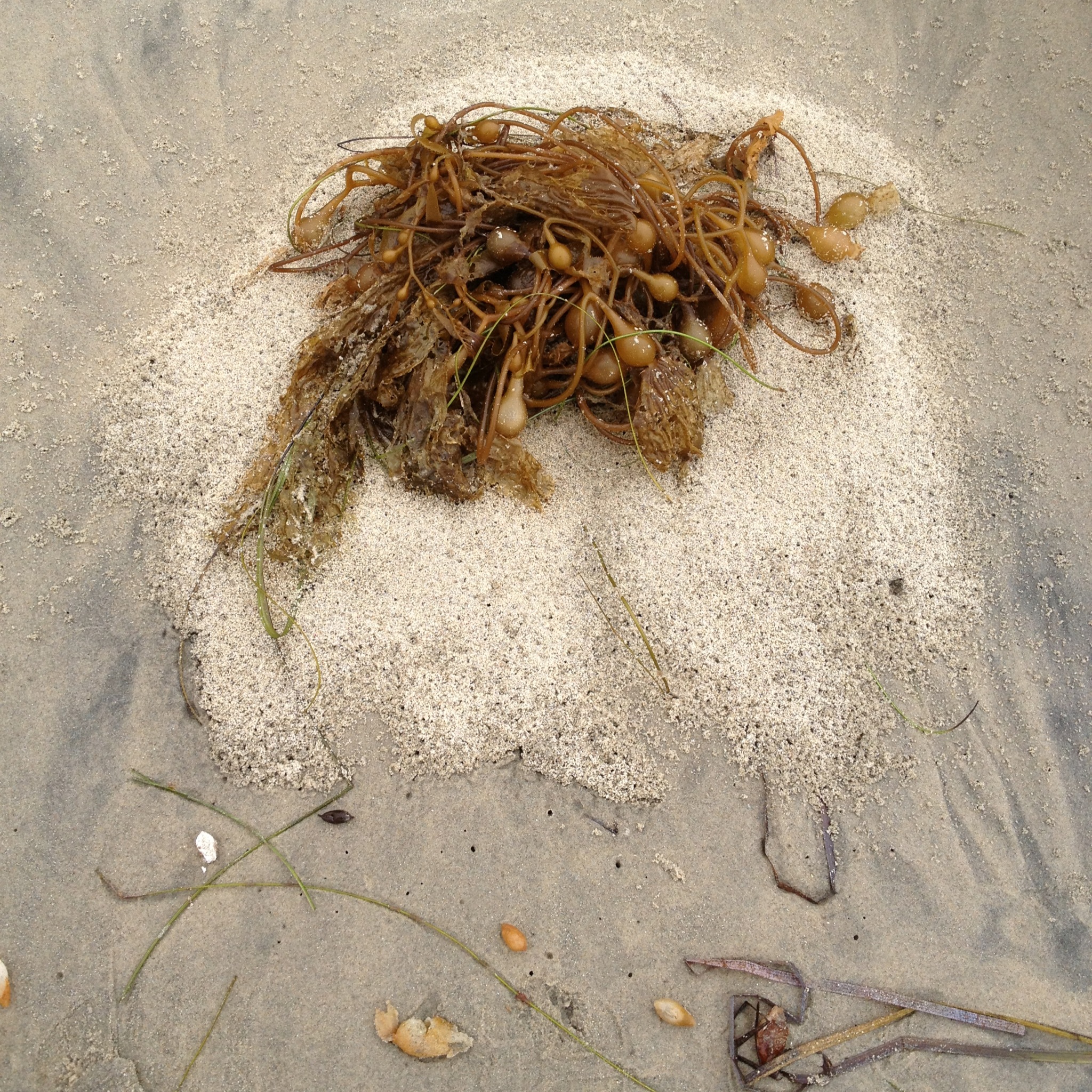
photo

On today’s exercise walk I noticed this fence with many breaks and holes in it.  I was wondering how the fence was so damaged and then I noticed this flower literally growing through cracks in the fence.  Were the other holes caused by plant growth or something else?  How long does it take for a plant to break through the wood of a fence?
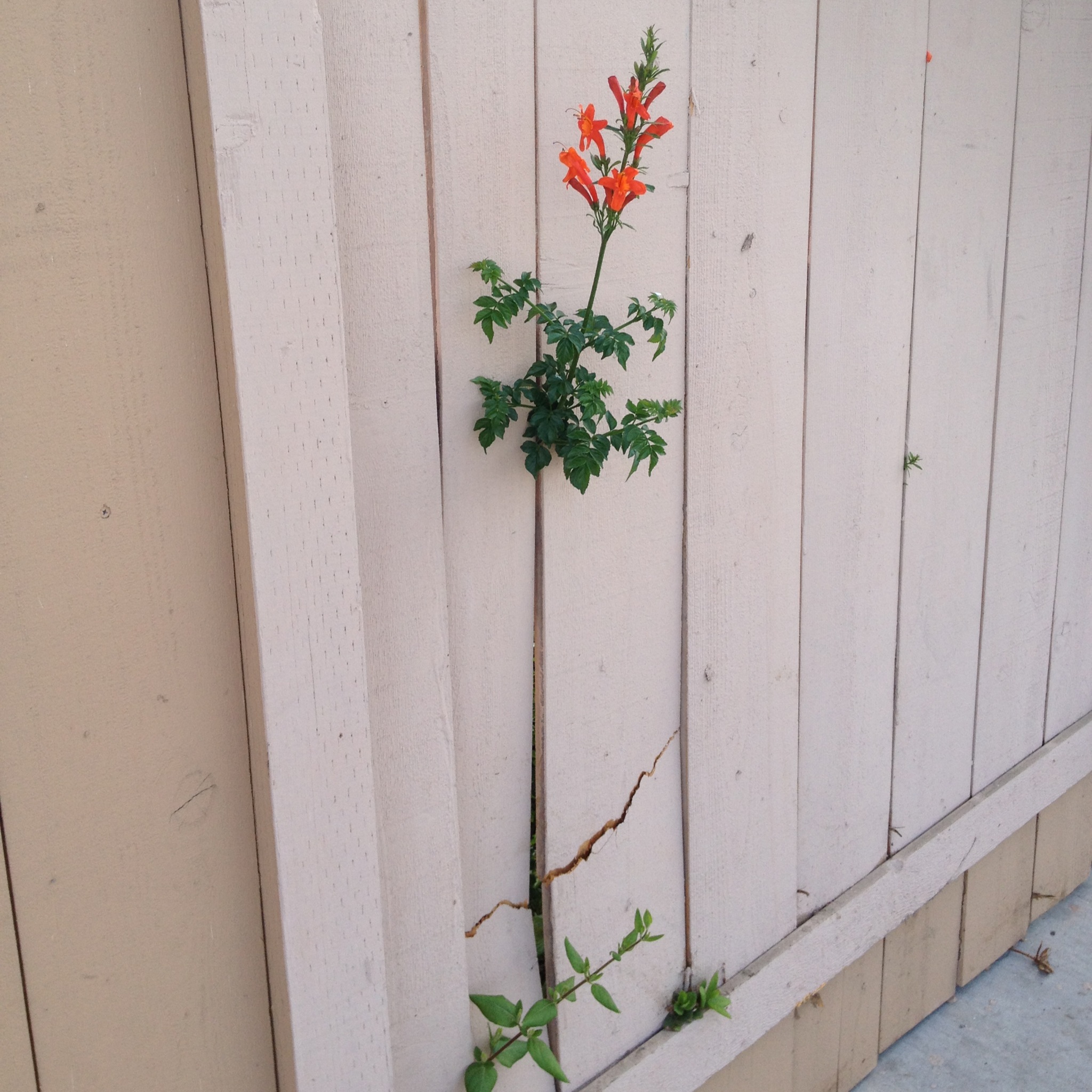
photo-1

I was also noticing lots of fire hydrants.  Most of them are quite similar–yellow and squat with metal caps on the openings.  Then I walked by this skinny hydrant (or is it a fire hydrant?), I actually had to double back to take a photo.  Just ahead of me was one of the those typical squat hydrants–but this one had plastic caps instead of metal caps.  What’s the reasons for these variations?  And then I wondered as I continued my walk–are these science questions or are these social studies questions?
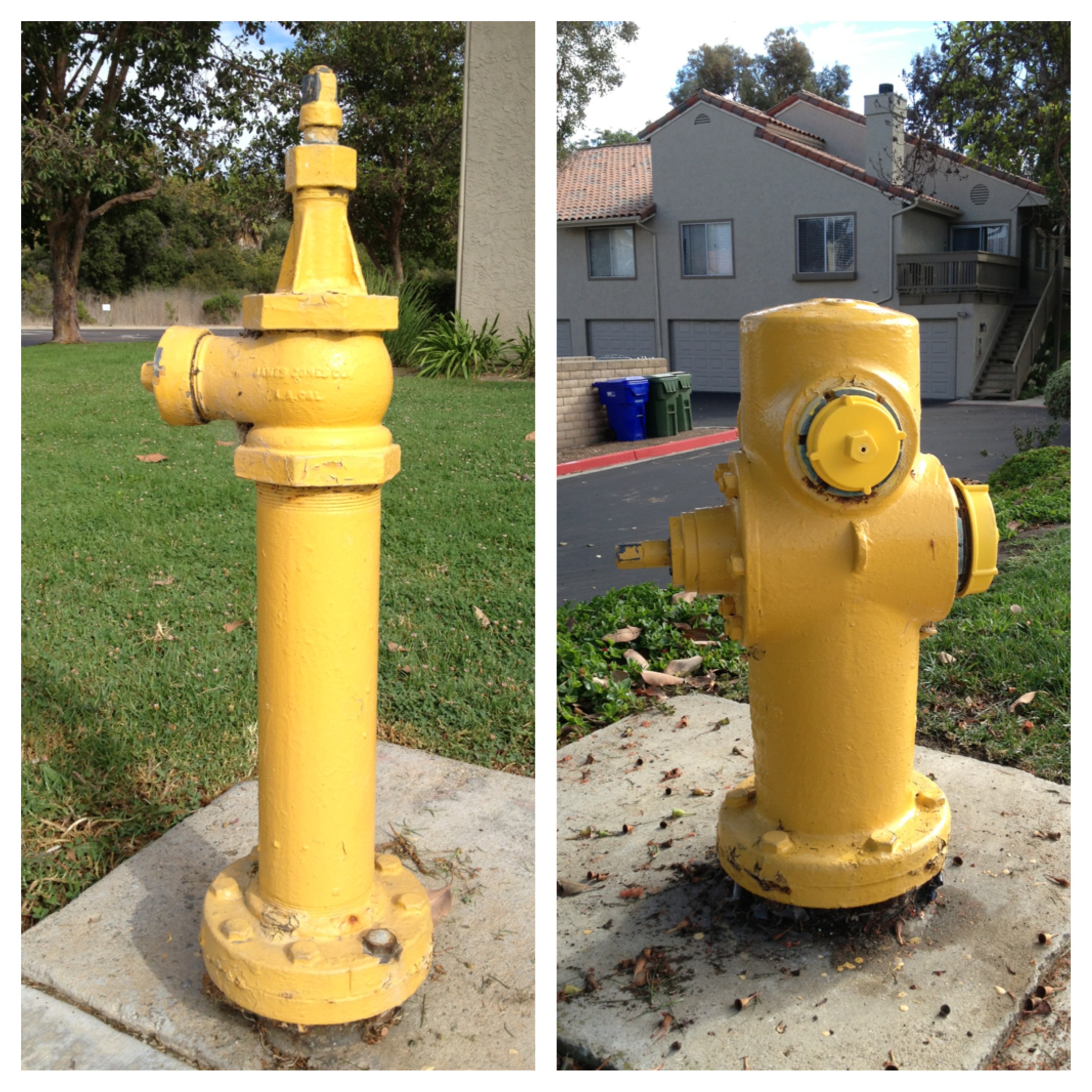
photo-2

And that got me wondering about some of the bus stops I passed.  I passed one with a bench and a trash can in front of it.  Then a little further on I noticed a woman waiting by a bus stop–and there was neither a bench nor a trash can.  So how are decisions made about which bus stops get benches and which don’t?

I love the way taking photos makes me take the time to ponder the questions that arise as I survey my world.  They also give me a visual reminder to go back and explore those inquiries. How do you document your questions about the world?  Do you follow those inquiries to find answers?  What are you wondering about?
Learning from Patterns

This week the #sdawpphotovoices photo-a-day focus has been patterns.  And while I have taken photos of the patterns I have found, I have also been thinking about my own patterns…patterns of thinking and patterns of behavior.

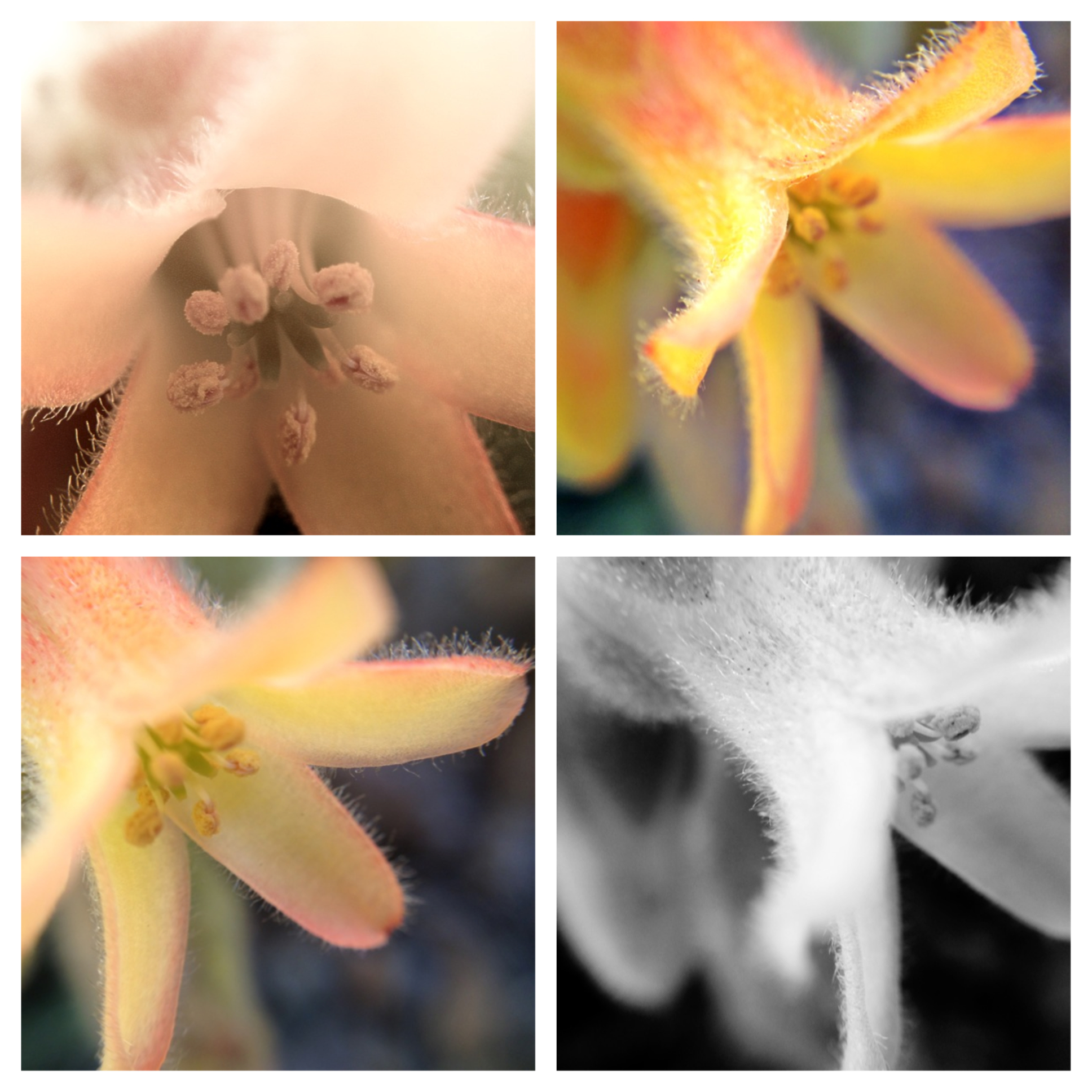
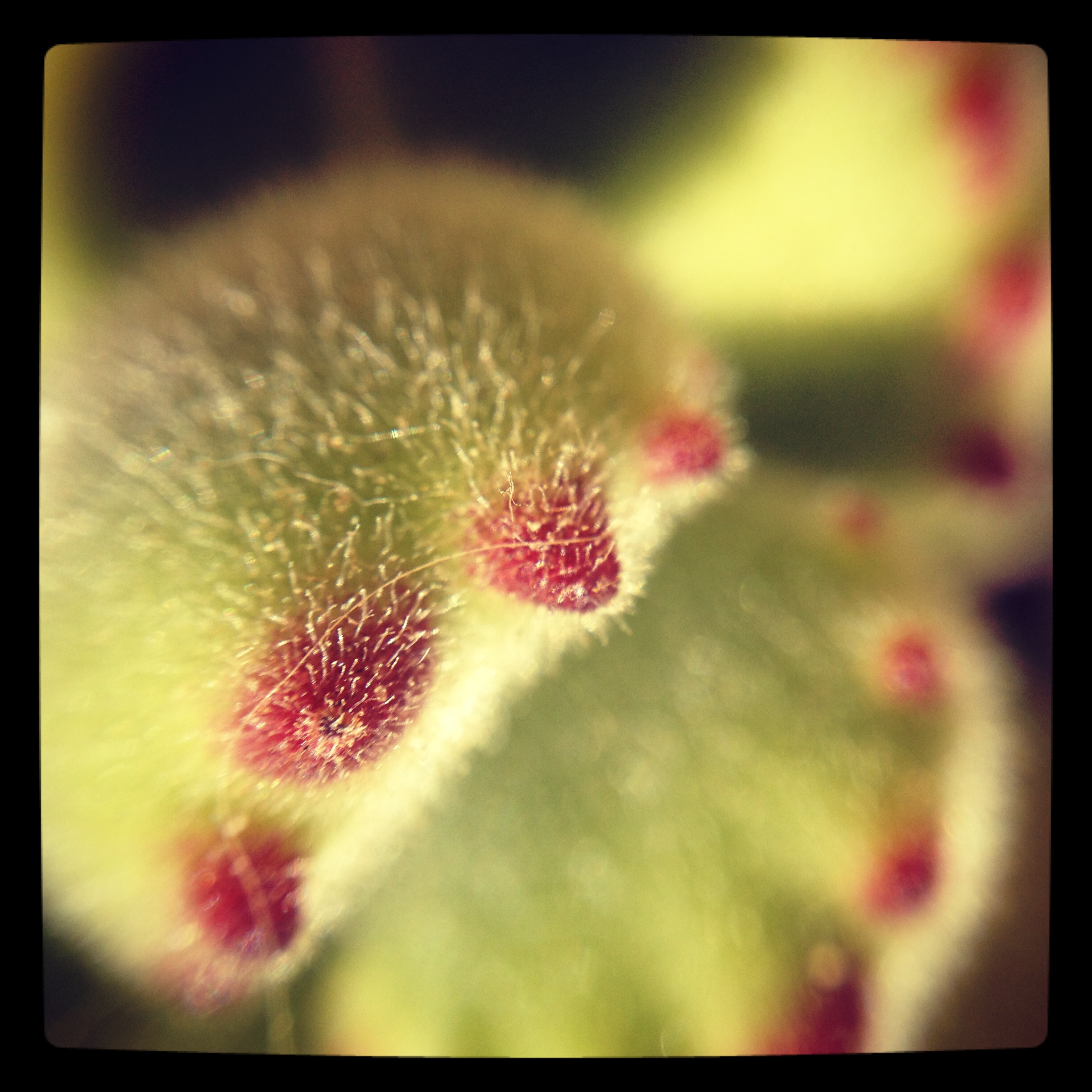
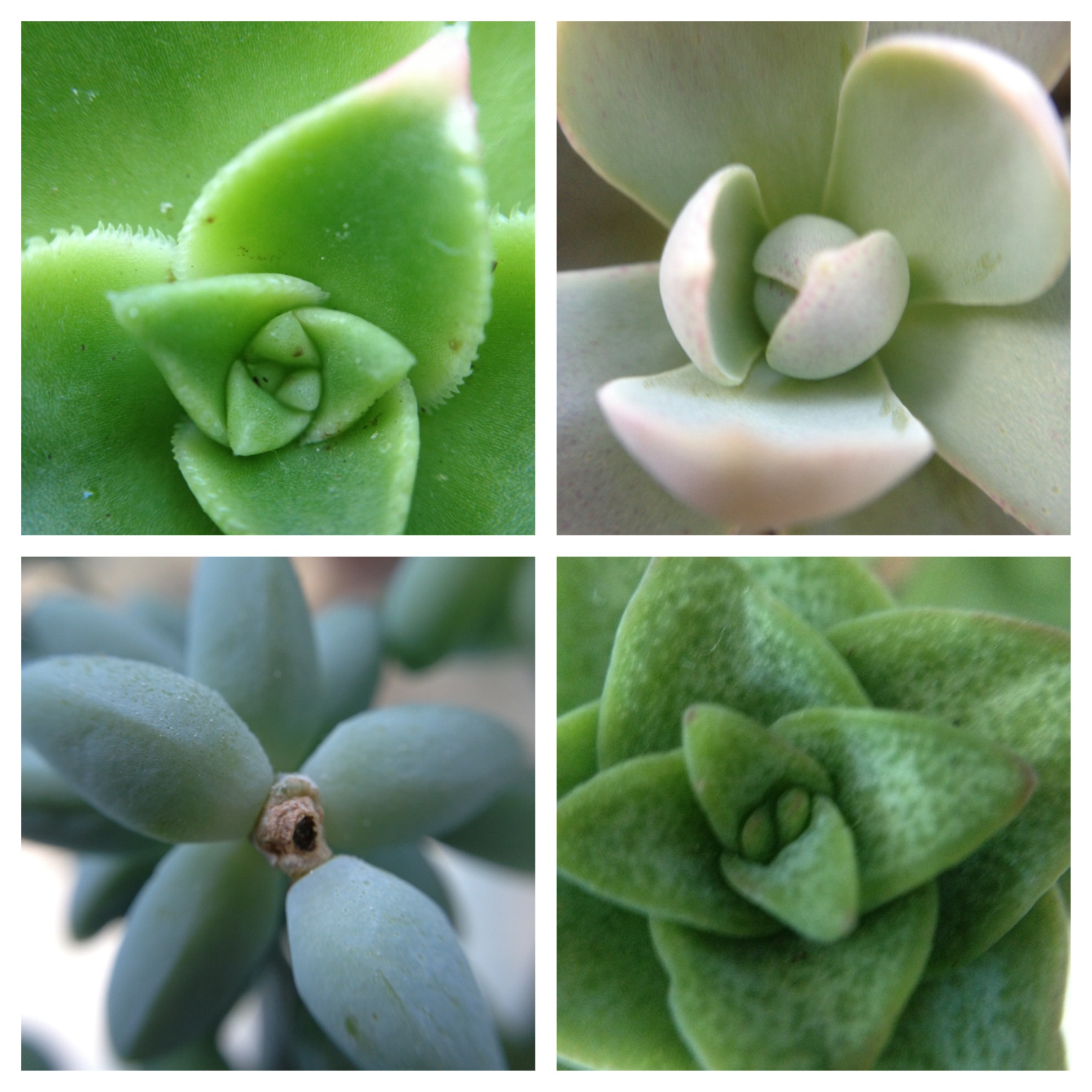
Being back at work definitely re-directed my attention from photography to my classroom.  On Monday I remember getting home, feeling tired and realizing I hadn’t taken a single photo all day!  Taking a look around the house for interesting patterns led me to my macro lens…I took pictures of the center of the succulents in the kitchen window.  Using picstitch I put four pictures together and posted with the caption, “What patterns do you see?”

photo

Is it cheating to create your own pattern by stitching photos together?  Tuesday and Wednesday were also days where the photos I posted didn’t really reflect patterns as they are defined in the design world.  I didn’t want to post photos of tiles or carpet or brick or other typical patterns.

On Thursday I was more inspired and had already taken several photos of patterns when I squeezed in a five minute pattern walk between errands in the afternoon.  (You can see more of Thursday’s patterns here.)  This was the day when I realized how important it is to take some time every day to do something just for yourself.  Those five minutes I spent looking for and photographing patterns were energizing and relaxing.  This is a practice I want to make sure to develop.

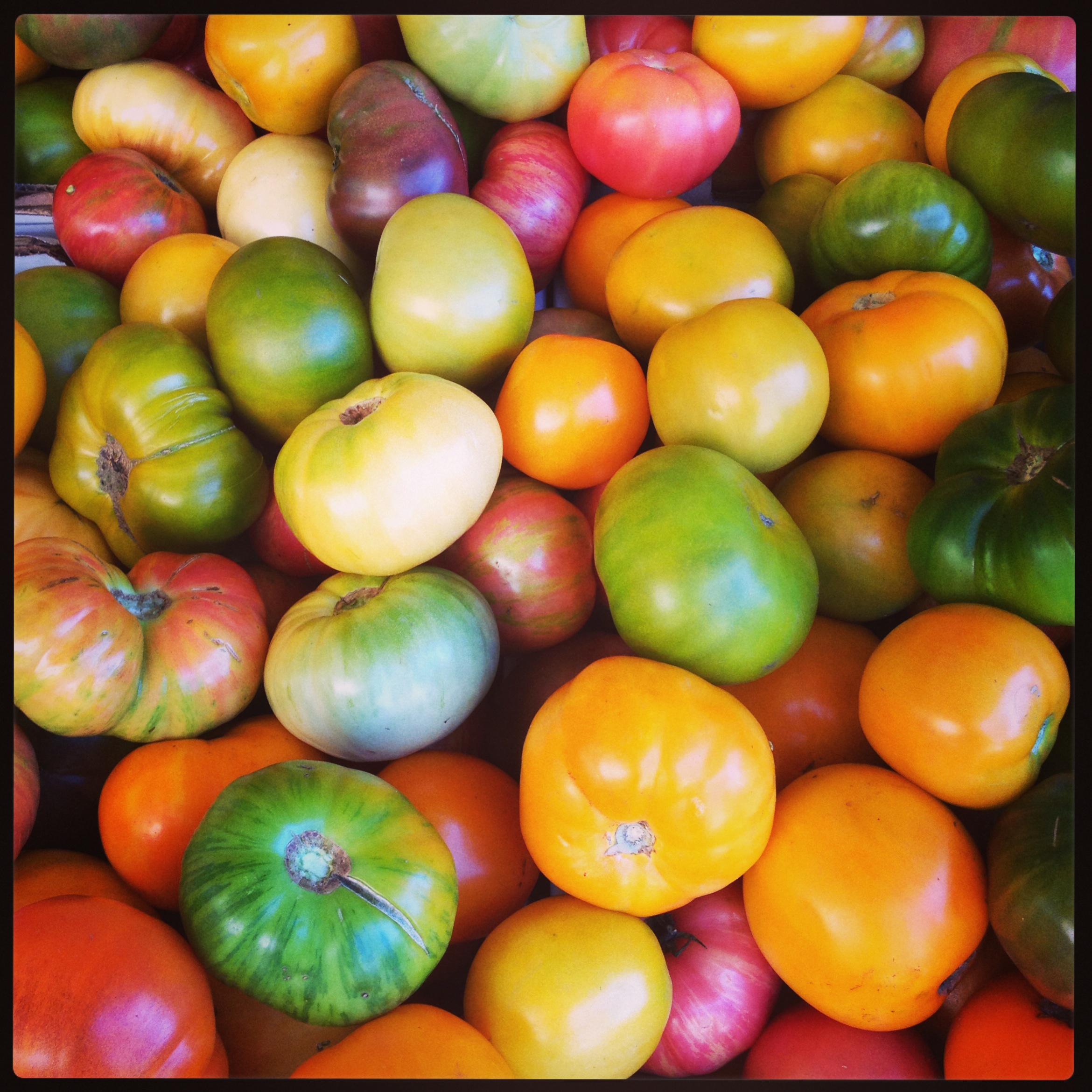
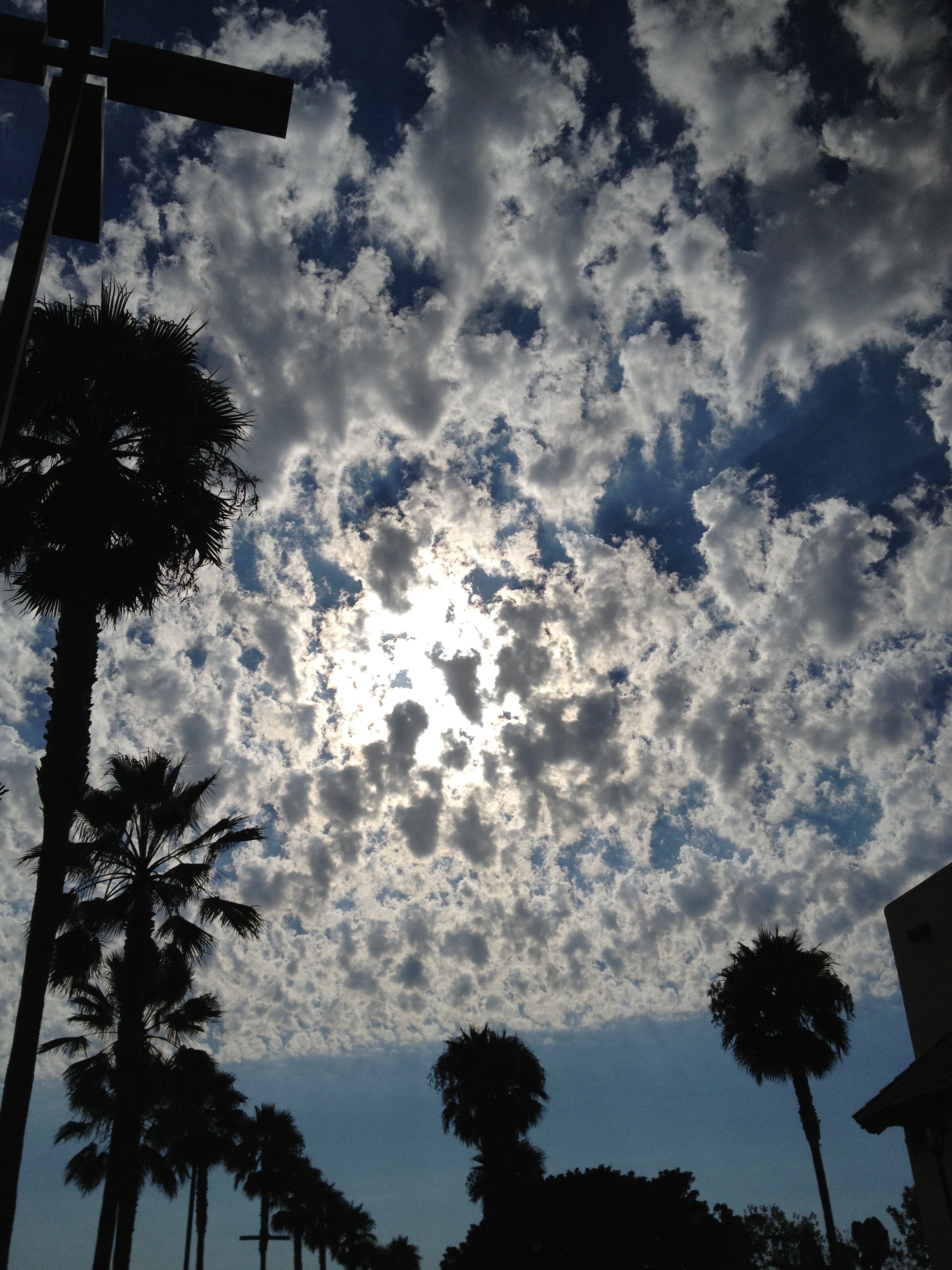
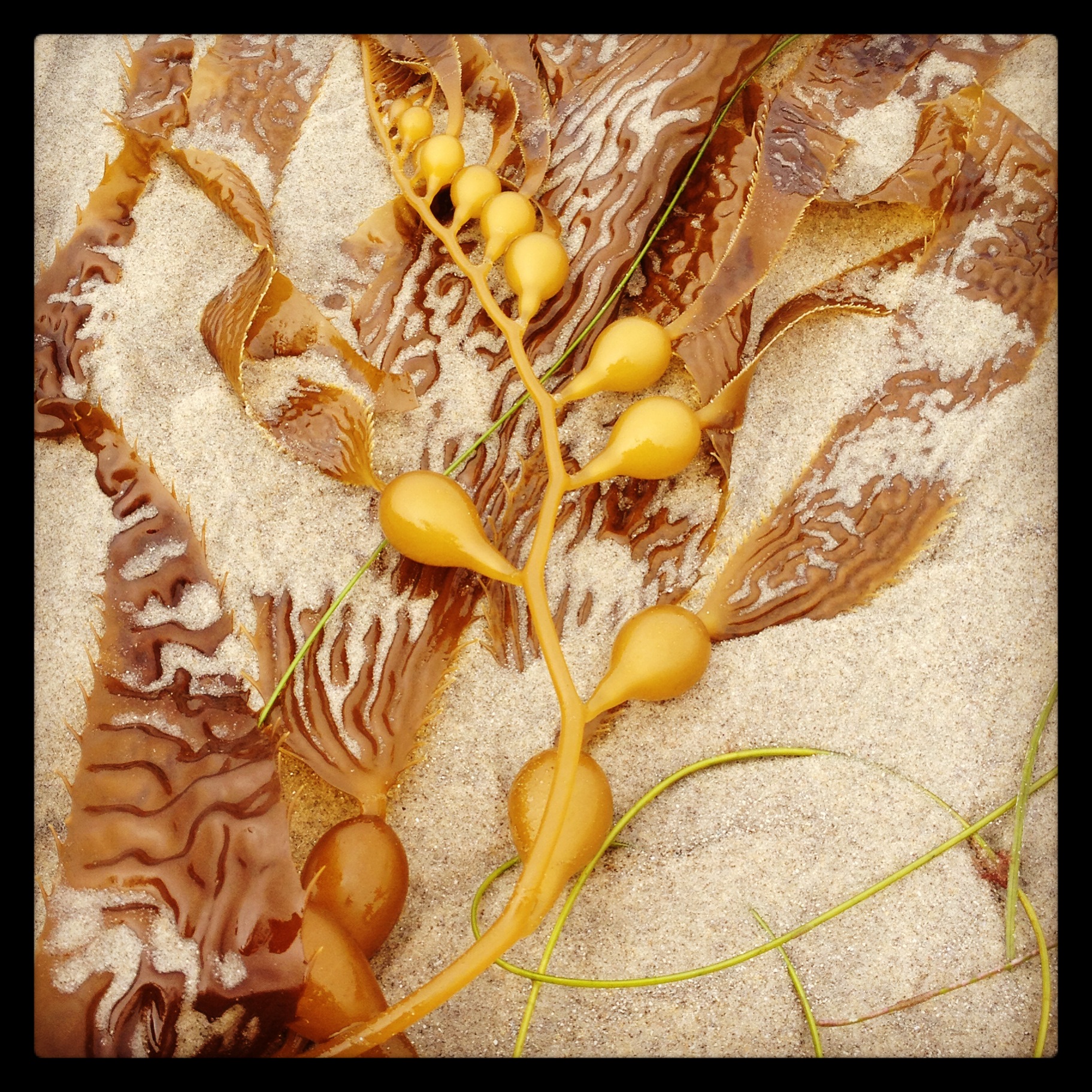
Most of the patterns I photographed this week were organic–nature’s beauty unveiled in heirloom tomatoes, cactus blossoms, clouds, and kelp.  Even the man-made patterns I captured often had an element of nature to them, I found myself looking at shadows and seeing patterns repeated by the sun’s angles.

photo-1

picstitch

photo-2

photo-3

photo-2

So I’ve noticed that my photo-a-day theme does make me look at the world differently than I might without it, but that regardless of the theme, I take pictures that catch my eye…and then play with language and ideas to make them work as I post.

So my two take aways for the week are:

1.  Take time to do something I enjoy each day (photography is an example of this), even if the photos don’t match the theme.

2.  It’s okay to play with the theme if it works for the photography–isn’t that the point after all?

What patterns do you notice in your life?  Which will you change and which will you embrace?

Next week is repetition…I wonder what that will teach me?

Nature’s Friday Gift

It’s been a busy week as we’ve been back at school preparing for the arrival of students on Tuesday.  My attention has been focused on planning, organizing, and thinking about ways to engage students in meaningful learning experiences.  And after a long day putting finishing touches on the classroom, getting the iPads synched and charged, and participating in a “fiesta” lunch with my co-workers, I was ready to go home and do a little nothing for a while.

I parked in my driveway and walked up the walkway to the front door of my house and the little bowl of succulents and cacti on my front porch caught my eye.  One of those pretty ordinary looking succulents…you know the ones that are mostly green, a bit furry, and you would never expect to look any different that it usually does…bloomed!

Here’s a view I took in early June.

photo

When I saw the bloom today, I forgot I was tired, hurried into the house to put the macro lens on my iphone and rushed back out to capture the unusual beauty of the blossom in a photo. (Or several–I’m like that!)  I love the pictures!  And then I decided to play with them a bit using the Vintique app and pic-stiched 4 together to display.  (The one on the lower left does not use any filters–all were shot with my macro lens).

picstitch

Arriving home today was like opening a gift!  I love nature’s little surprises.  How has nature surprised you lately?

A Week of #Angles

My daily blog post is most often the result of a percolation of ideas throughout the day…written toward the end of the day.  Today I knew I would be writing about my week of focusing on angles –this week’s #sdawpphotovoices topic.  My morning began. as it often does on Sunday, with some time reading articles on Twitter.  Today’s @brainpicker post was about a book called On Looking: Eleven Walks With Expert Eyes by Alexandra Horowitz.

As I read the review of the book I found myself thinking about how photo-a-day has impacted the way I look and what I see as I go about my daily life.  And then I saw Janis’s post today on SDAWP Voices as she reflected on her week–and she was saying similar things about her experience (and she had also read the same post by @brainpicker this morning!).  This book focuses on the ways a different lens opens up an entirely different experience of the place.  When you walk with a toddler and pay attention to how that toddler pays attention, you see a different place than the familiar routine you are used to. What does your dog see?  How about an entomologist?

Back to angles…this week’s photo-a-day focus.  I took a lot of pictures this week, from a variety of angles, of a variety of angles…angles were everywhere!  Some of my favorite pictures of the week I never did post on Instagram.  But because I am writing every day to post to this blog, my pictures also become a stimulus for my writing and my thinking.

photo

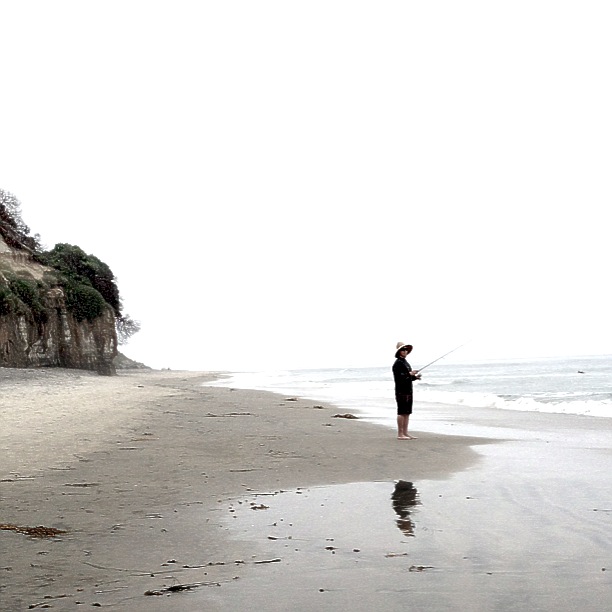
I love this picture of the lone fisherman with his pole angled in the surf.  I don’t often take pictures of people–it feels awkward to photograph people I don’t know…and I didn’t want him to pose.  Instead I took the picture from a distance, knowing I would lose the details of his face. The bonus is the reflection!  I can see writing a story with this photo as the prompt…I think the story is already beginning to take shape for me.

photo-1

This angry bird kite was roosting in the tree above the beach.  Its angles had it caught pretty securely in the intertwining branches…in fact I saw it again several days later on a walk later in the week.  I love the play on words and images of the bird kite in the tree.

photo-4

Shell fragments are common on the beach, but coming across an entire shell–especially one still connected and angled like this is a rare occurrence.  If you look closely you can see the strand of sea grass lying in the background.  I wonder if a seagull got this tasty morsel!

photo-3

Coming down the ramp from the parking lot, I got to see these wonderful flat and yet angled rooftops of the new concession stand and bathrooms.  I love the way that architecture can take straight lines and create unexpected angles by the way they are placed in relation to each other.

Tomorrow I will shift my focus from angles to patterns.  Added to my photography focus and blogging focus, I will also be thinking about all the other ways I might see the world through the lens of a child, or an architect, a scientist, or an artist.  I’ll also try “seeing” the world through my other senses–how does what I hear impact what I see?  What about smell, taste, and touch?

What have you failed to notice?  How can you shift your attention to see more of your world?

Making Sandcastles

Yesterday’s post focused on my sandcastle collection, digital documentation of sandcastles I have found during my walks on the beach over the last week or so.  As I wrote the post I realized that I was collecting other people’s sandcastles–but hadn’t taken the time to build one of my own in a very long time.

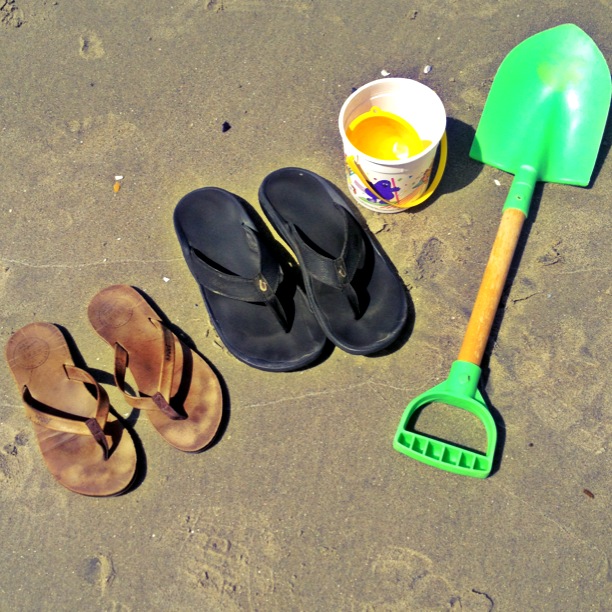
Today was the perfect day for a beach walk.  The marine layer cleared early, the sun made an appearance, the water temperature was reported to be at 70 degrees (that’s warm for ocean water here!) and…low tide was perfectly timed at midday.  As Geoff and I headed out for a walk, we grabbed some tools and decided we would make a sandcastle and enjoy a bit of playing in the sand.

photo

We walked up the beach and picked a place near the edge of the water and away from the crowds of people to get started with our castle.

photo-1

Once we had a base to work from, the fun really began!  We pushed and patted the sand into shape, used the bucket as a mold to create the castle spires, and our castle began to take shape.

photo-2

Gathering water in the bucket and mixing in sand allowed us to drizzle sand to create more texture and detail.  We scoured the nearby area for small rocks, shell bits and pieces of kelp for detail.  A small sand crab moved in (although his camouflage abilities made him impossible to catch in a photo).

photo-3

We had such fun building this castle today!  It was a bit tricky keeping my phone handy and away from the sand.  My shorts became my towel for wiping ocean-cleaned hands.  Here I am with the final product!

photo-4

After finishing our sandcastle, we continued our walk leaving our castle for others to enjoy. The tide was still going down so we knew the surf would leave the castle for a while…and we visited it again on our way back from the walk.  And I added some other sandcastles to my collection too!  (There were some master castle builders out today!)

I’m reminded that taking the time to make and play are essential.  Geoff and I had so much fun and the process of making for myself gives me new understandings and appreciation for the sandcastles I will continue to collect.  When was the last time you made a sandcastle?

Poster Poems, Found Poetry: Remixed

One of my fellow #clmooc-ers, Vanessa Vaile, posted this invitation in the G+ community to remix, hack, create found poetry…and it’s been sitting in the back of my mind, waiting for the opportunity to find its place on my blog.

This morning the twittersphere handed my this poem and it has stayed with me all day, begging me to think about ways to remix and recreate and combine it with my photography.

The World Is in Pencil

BY TODD BOSS

—not pen. It’s got
that same silken
dust about it, doesn’t it,
that same sense of
having been roughed
onto paper even
as it was planned.
It had to be a labor
of love. It must’ve
taken its author some
time, some shove.
I’ll bet it felt good
in the hand—the o

of the ocean, and

the and and the and

of the land.

Source: Poetry (November 2011).

And so, here is my remixed version:
The World Is in Pencil: Remixed
Pencil in the ocean
and the land
Authored with labor
roughed by silken dust.
Love it
shove it
take time
to feel, to handle
Until you can see
as if it was planned
the world 
inked on paper.
A map of your life.
photo
This photo was also remixed.  Taking a photo I took earlier this week,
I wanted to create a sense of pencil and sketch, roughed and labored.
I used the app Sketch on my iPhone to create this effect.
Here is the original:
photo-1
Try your hand at found poetry…I invite you to remix mine or find
something that speaks to you.  How might you remix a photo or
other image to go with it?  Be sure to share!

One Shot, Two Ways…Revision, Photo Style

One of the benefits of blogging is that other people like and follow my blog…and when they do that I often take a glimpse at what they are blogging about–it’s a lot like my experience with the CLMOOC.  Yesterday shotwithmyphone.com liked my blog post and I spent some time perusing the photos he posts…all shot with his iPhone (like me!).  One of his posts was titled One Shot, Two Ways and is part of a challenge posted here.  The challenge invites photographers to take two photos of the same shot–one with a vertical orientation and one with a horizontal orientation and to post them side by side.

Inspired by those ideas (and looking at a few photos) I decided to try a variation on that theme and show two views of the same photo–one original and one with some editing and filters applied.  In some ways the editing process I apply to my photos feels a lot like revision in the writing process.  It’s the part of the process where I zoom in (or out), crop out distracting details, brighten up the setting, or change the mood.  In many cases, revision in writing and editing in photography transforms the end product and helps the reader/viewer see it differently.

Here’s are a couple from my beach walk on Sunday:

photo-12pipe

photo-10turtle

And here’s a couple from yesterday’s excursion to the Living Coast Discovery Center:

photo-13photo-14

photo-11photo-1

There are times when I post my photos without editing, but I like experimenting with how to take a photo and work with it to convey the message I have in mind–or one that emerges as I play with it.

What do you think?  How does the editing change the way you see the photo?  How does it change the message of the image?  How does this relate to writing and writing instruction?  I’d love to know your thoughts!

A #Macro View of San Diego Natives

I’m lucky to live in a beautiful city–a place where I don’t even have to say the name of my state for people to know where I’m from.  Many people I meet have either visited or know someone (often a relative) who lives here.  But despite that familiarity, there are many misconceptions about San Diego.  So many people expect it to be tropical–like Hawaii or Tahiti–and are surprised when they come in contact with our pervasive marine layer, moderate temperatures (low 60’s in the winter to mid 70’s in the summer with occasional higher and lower temps), and low humidity (we average about 10 inches of rain annually).

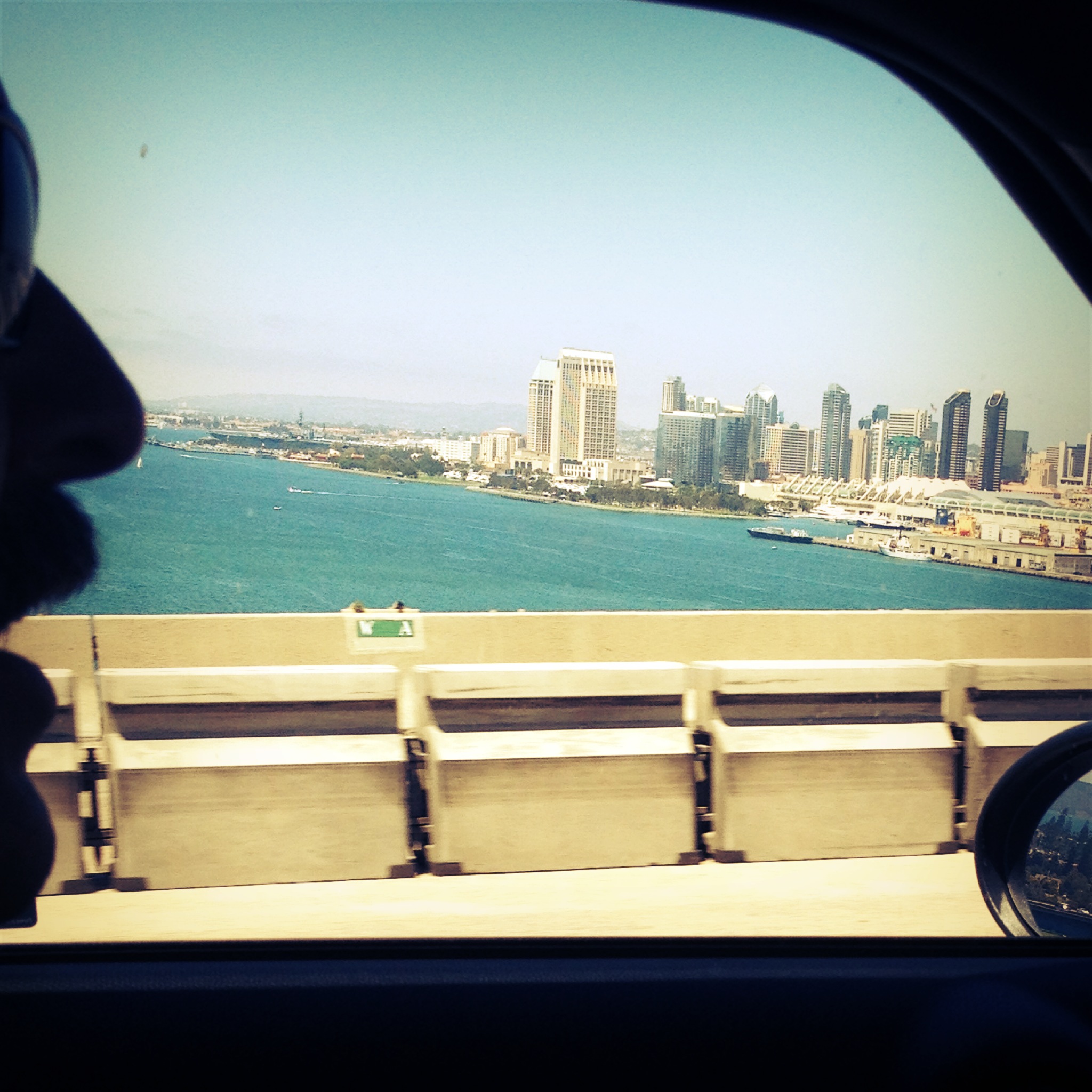
San Diego skyline from the Coronado Bay Bridge

San Diego skyline from the Coronado Bay Bridge

Our beautiful skyline and beaches are often framed with tall swaying palms (not native) and colorful hibiscus flowers (also not native).  Many species of plants grow well here–especially when supported by providing extra water.  Today I vacationed in my own city, taking a trip to Chula Vista to visit the Living Coast Discovery Center (formerly the Chula Vista Nature Center). Located in the wetlands along the San Diego Bay, the center boasts a rich history.  Once the domain of the local Kumeyaay people, around the turn of the century this location became a kelp processing plant run by the Hercules Powder Company extracting potash and acetone from the kelp to make cordite–an explosive used for fuses during World War I.  After the war, abandoned buildings were taken over by the San Diego Oil Products Corporation and became the largest cottonseed warehouse in the United States.  Later it became farmland and after that a site of illegal dumping.  In 1980’s the city of Chula Vista helped develop the site into the Chula Vista Nature Center.

As you can see appreciation of our local habitats has not always been a given, even among the local population.  We love our beaches and our mild climate, but haven’t always taken the time to understand how to best care for or learn about them.  Today, with the help of my macro lens on my iPhone, I spent time looking closely at some of the native plants of San Diego.

The coastal sage scrub community, which grows around our wetlands near the coast, is filled with hearty, drought resistant plants.  In the summer many of them look dry and brown.  Some might even conclude that they are dead…but just wait until some rain falls…

I noticed today that some of the most beautiful blooms are tiny…often unnoticed unless you take the time to bend down and really look closely.  Here’s some of the beauties I uncovered today, all taken with my iPhone and macro lens with no filters applied.

I wish I knew the names of all of these plants.  I admire the resilience and adaptations of these hearty natives and know that I will continue to learn about them.  It’s so easy to overlook these plants and be mesmerized by the exotic beauty of other more colorful species.  I hope you’ll see what I saw when I took the time to look closely–that there is much to appreciate about these natives, you just have to come close and notice what is right in front of you!  (Yet another lesson for my classroom…look for the talents and expertise that are not immediately obvious, but there nevertheless!)

Beach Curves: A Photo Essay

Summers are always busy for me…but this summer has been busy in extreme!  Between Geoff’s schedule and mine, we haven’t found time for a traditional, go someplace, kind of vacation.  Instead, we have had to grab vacation time wherever we could find it.  Today was one of those kinds of days…and we squeezed in a fun and relaxing one-hour vacation at the beach.

It was sunny and warm today…and the ocean water was on the warm side too…perfect conditions for a summer beach walk.  The marine layer stayed off the coast and we got there early enough that parking was easy!  We had just had a lovely breakfast at one of our favorite local haunts and were ready to walk and talk (or not)…and as always is true of me these days, take a few photos along the way.  This week’s #sdawpphotovoices theme has been curves, so I was on the lookout for curves on the beach.

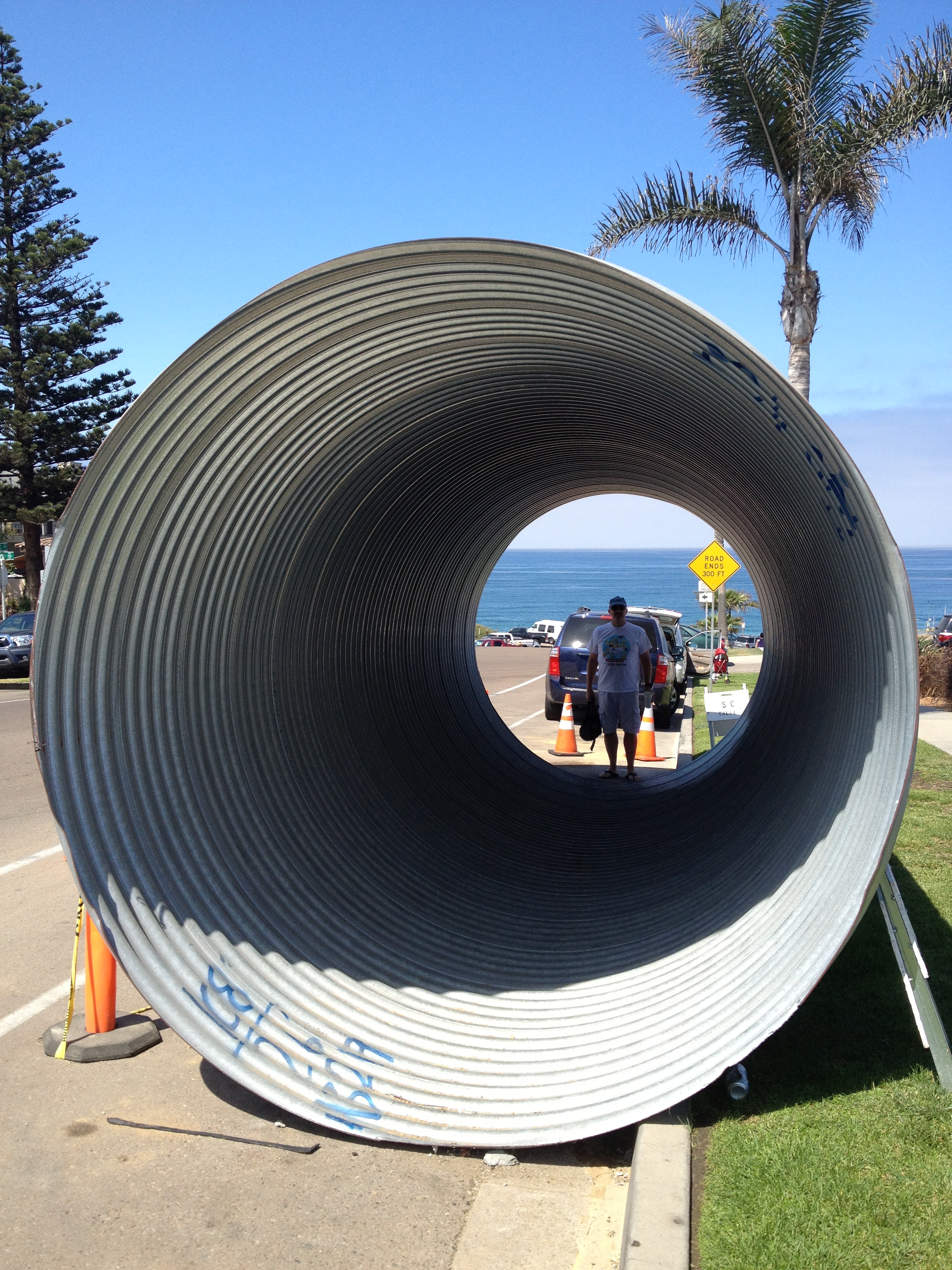
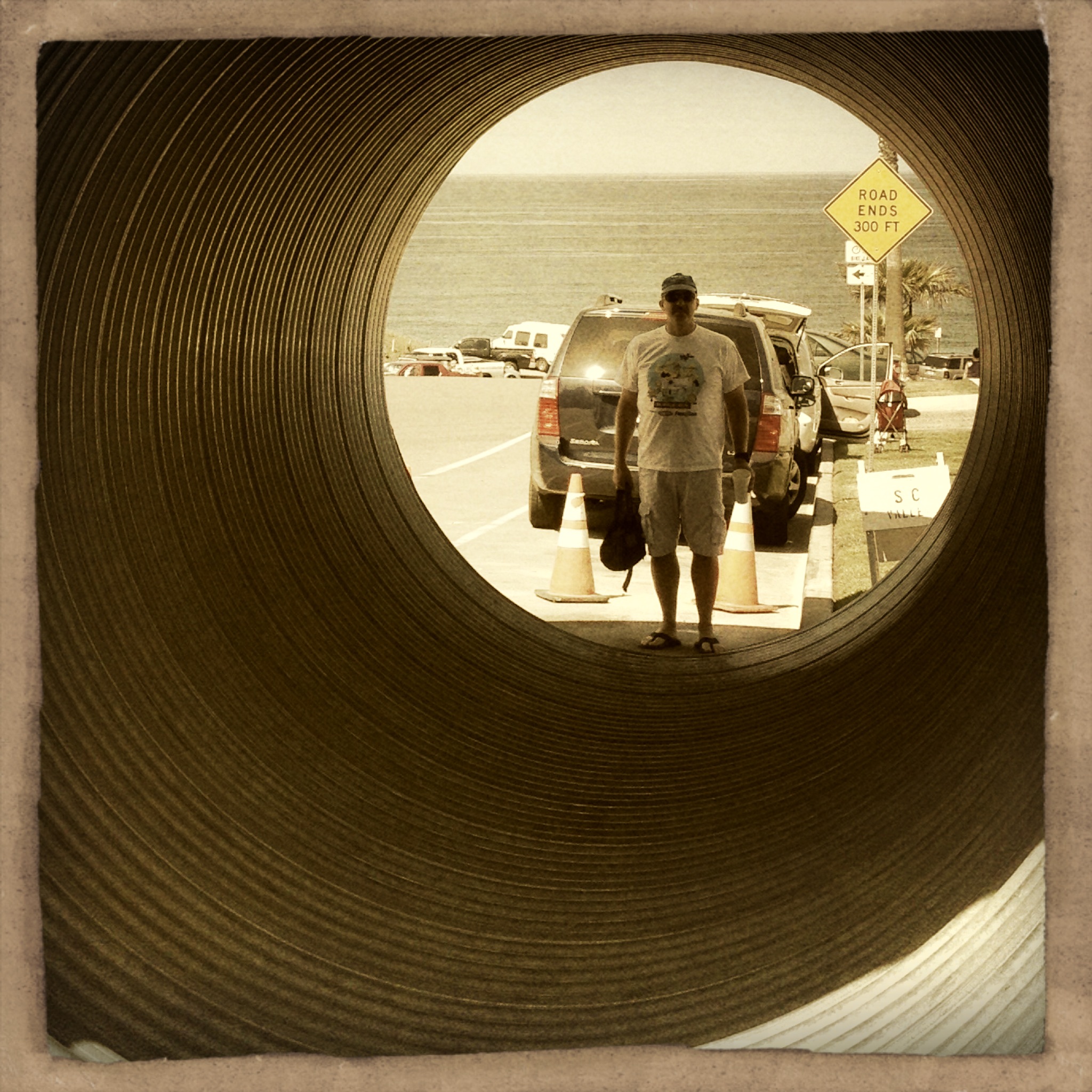
When we parked, the very first thing I noticed was this giant pipe on the street and immediately headed over to take a picture.  I got Geoff to stand at the other end so its size would be noticeable–and I love the way the curve also becomes a frame for the portrait.

pipe

As we headed down to the shoreline, the tide was approaching high.  This can be a limiting factor for how far we can go, so today we headed north.  The waves were small, but the surfers and boogie boarders seemed to be having great success catching the curves and enjoying their rides.

waves

Curves seemed to be everywhere.  Erosion is a major issue along our local shoreline.  The northern walk takes us below expensive homes that seem precariously perched above the beach.  One section was still barricaded with yellow caution tape…and the crack we had seen a month ago seemed more pronounced today as it curves along the layers of sediment that make up the sea cliffs.

crack

Giant kelp, which my students know by it’s scientific name Macrocystis Pyrifera, is a constant on our local beaches.  Piles are evident as it washes up along the shore.  Holdfasts, the rootlike structure that hold onto rocks in the water, are home to many fascinating sea creatures and we often see locals rummaging in these wet piles and finding brittle stars and tiny sea urchins hiding within and enjoying a close look before returning them to their wet and salty homes. The long stipes frequently form tangled webs although this one reached out in a gentle curve away from the rest of the pile on the sand.

kelp

Sand castle makers have been hard at work this summer.  I passed this creation and just had to stop and get close for a photo.

turtle

I love this turtle version of a sand castle with its curved head, shell and limbs…and the extra touch of bucket-molded sand on the top.  Ocean washed rocks became eyes and the proximity of the kelp seems like a perfect touch!

I was surprised to find this coconut laying in the surf.  It had clearly spent some time being washed and worn by the sea, not quite round but definitely curved.  Had me thinking of Tom Hanks in Cast Away.

coconut

There were quite a few holes dug with curved banks that began to hold pools of seawater as the tide continued to rise.  I took a few pictures of the water in the holes and then stopped to wait to see if I could capture the waves coming over the bank to fill the hole.  I love the sense of movement this still photo captured.

hole

And then before finishing my walk, I came across another yet another sand castle.  This one in more classic style with a moat, some bridges and curved turrets, and stones and shells for decoration.

castle

I love the way #sdawpphotovoices themes focuses my attention and helps me see familiar places in new ways.  My one-hour vacation was relaxing and exotic!  The photos represent only a fraction of the curves I saw at the beach…and yet give a glimpse at the variety of curves along the shore.  Tomorrow begins angles…I can only imagine what I will find as I look at the world through that lens.

The Silent Hand of Design: August’s Photo-a-Day Journey

I’m now just a few days away from a full year of participation in photo-a-day.  This daily practice of taking intentional photographs and posting each day has had a profound effect on my photography skills–and on my powers of noticing in the world.

For the last few months, my #sdawpphotovoices friends and I have been exploring different prompts to push our creativity.  We’ve been inspired by Picasso and Neil Gaiman and last month we spent each week focused on a single color.

I recently came across this Ted Talk by Rob Forbes who talks about design within reach.  He takes about 5000 photos each year, capturing interesting design elements.

I love the idea of the silent hand of design uncovered in the photos he takes.  Unexpected patterns and textures, angles and curves, symmetry and technology pop up in our everyday lives when we take the time to look.  Forbes suggests that the first job of design is to serve a social purpose and that the best design preserves diversity and culture.

For the month of August, let’s focus our photography on design.  Each week we will focus on a different element…and at the end of the week we’ll reflect on our photographs and curate our own observations and learning.  (I am cross-posting this at SDAWP Voices where Barb will create a link up for us each week)

photo-4

Take a picture each day that somehow captures the design element and post it to Instagram, Twitter, Facebook, or Flickr using the hashtag #sdawpphotovoices.  (You can post anywhere—if you want others to be able to follow your photos, Instagram and Twitter are best!)  For more information about posting click here.  At the end of each week let’s add an additional challenge:  curate your pictures from the week and select one to highlight.  You might post it on your blog along with some musings about why you selected it.  If you don’t have a blog of your own, you have a couple of choices—you can create a blog (be sure to share it with us by including your blog address in the comments here—or better yet, tweet it using the hashtag #sdawpphotovoices) or you can post to the SDAWP Voices blog.

August 1-4:  symmetry

August 4 or 5: reflect on your week and share your thinking and picture (or collage) on the link up

August 5-11:  curves

August 11 or 12:  reflect on your week and share your thinking and picture (or collage) on the link up

August 12-18:  angles

August 18 or 19:  reflect on your week and share your thinking and picture (or collage) on the link up

August 19-25:  patterns

August 25 or 26:  reflect on your week and share your thinking and picture (or collage) on the link up

August 26-31:  repetition

August 31 or September 1:  reflect on your week and share your thinking and picture (or collage) on the link up

As an extra invitation, at the end of the month, pick your five favorites to inspire a bit of writing or art or something else you want to make.  Be sure to share your creativity and what you discover through the process.  I can’t wait to see what our focus on design elements will reveal!