Tag Archives: photography

Teaching to See: The Value of Iteration

Yesterday began our August photo-a-day challenge at #sdawpphotovoices with a focus on design elements…beginning with symmetry.  Anna over at #clmooc posted this video about Inge Druckrey, a graphic designer and teacher, saying she thought I would appreciate it.  And she’s right.  It is about 40 minutes long (a pretty long video for me to watch!), but interesting on many levels.

<p><a href=”http://vimeo.com/45232468″>Inge Druckrey: Teaching to See</a> from <a href=”http://vimeo.com/et”>Edward Tufte</a> on <a href=”https://vimeo.com”>Vimeo</a&gt;.</p>

The idea of teaching to see seems to be a theme of mine since I began this blog almost a month ago.  Photography has proven to be a tool that has helped me see and look at my world in some more intentional ways.

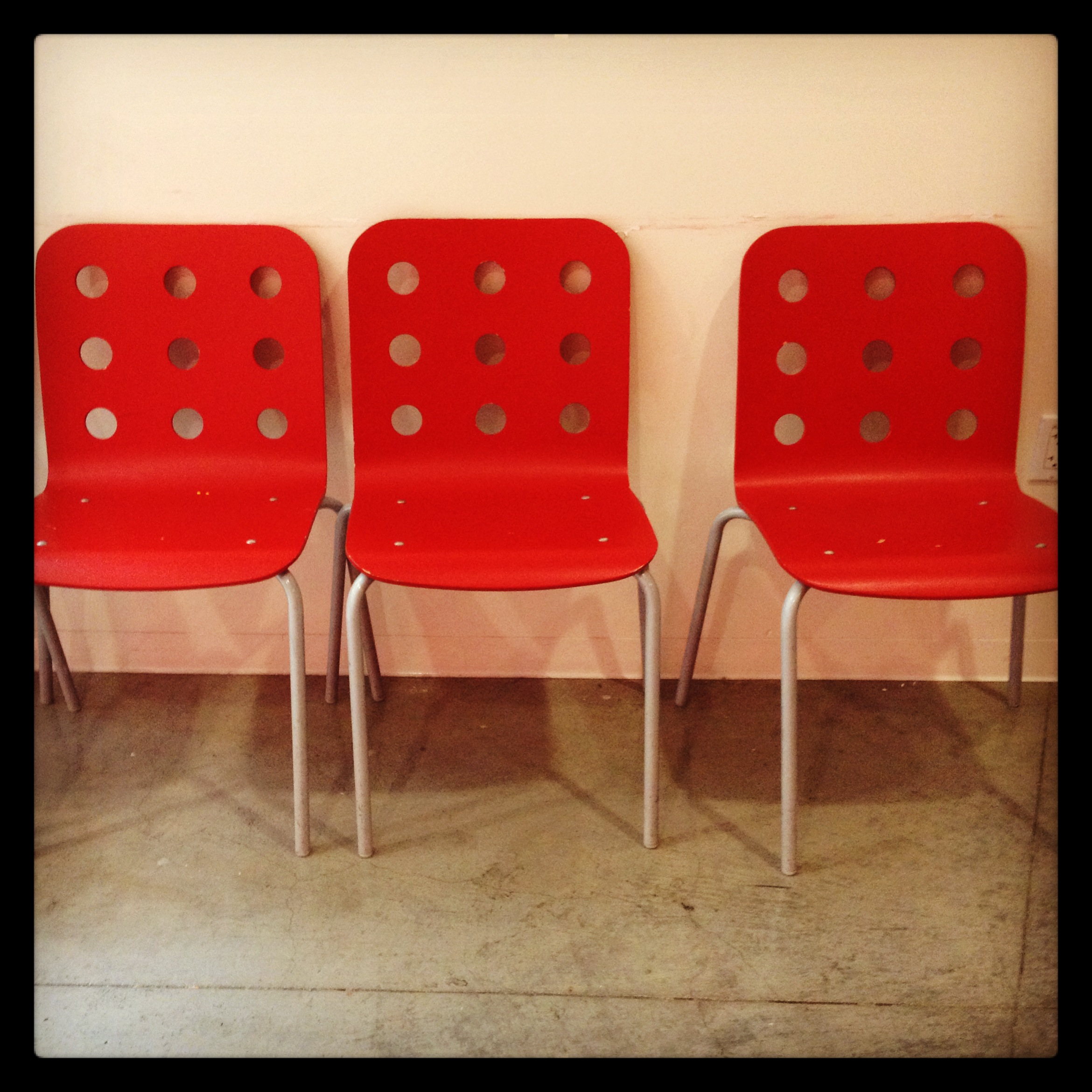
A focus on symmetry has been challenging for the past two days.  Neither of my pictures

photo-3

photo-2

quite captures symmetry to my liking…although I’m not sure I know what that picture will be. The beauty of exploring a concept over a week is that I begin to see it differently as I continue to look for opportunities to capture that idea in my photos.

While Inge didn’t use these precise words, the focus on iteration (which we call revision in the writing world) as a way to improve your craft continues to leave me thinking about my classroom and my own learning.  It also takes me back to Malcolm Gladwell’s 10,000 hours as the time needed to gain mastery of something.  And whether that number is right or not, I do believe that we get better at things as we practice them.  But don’t get me wrong…I don’t think we need to drudge through rote and boring practice to achieve our learning goals.  For me, passion is key–finding ways to get excited about learning something new, and to make the practice interesting and motivating–iteration for authentic and meaningful reasons.  One of Inge’s students (now a professional artist) described his weekly practice of figural drawing for three hours every Friday.  He talked about it still being hard, but worthwhile–said he didn’t go to church, but he continues to keep up his practice of weekly drawing practice.

Both my photography and blogging are like that.  They are practices that require effort and time…and I enjoy the practice and the effort because I can feel myself learning and growing.  I want this for my students too–for them to develop practices that support their own learning goals.  I’ll be thinking about this as the new school year begins.  What learning practices are you considering for yourself and your students as the new school year begins?
Learning From Blue

As I have worked through photographing with a focus on a color each week during July, I have noticed that the weeklong focus pushed me to think about not only color but also composition differently.

blue

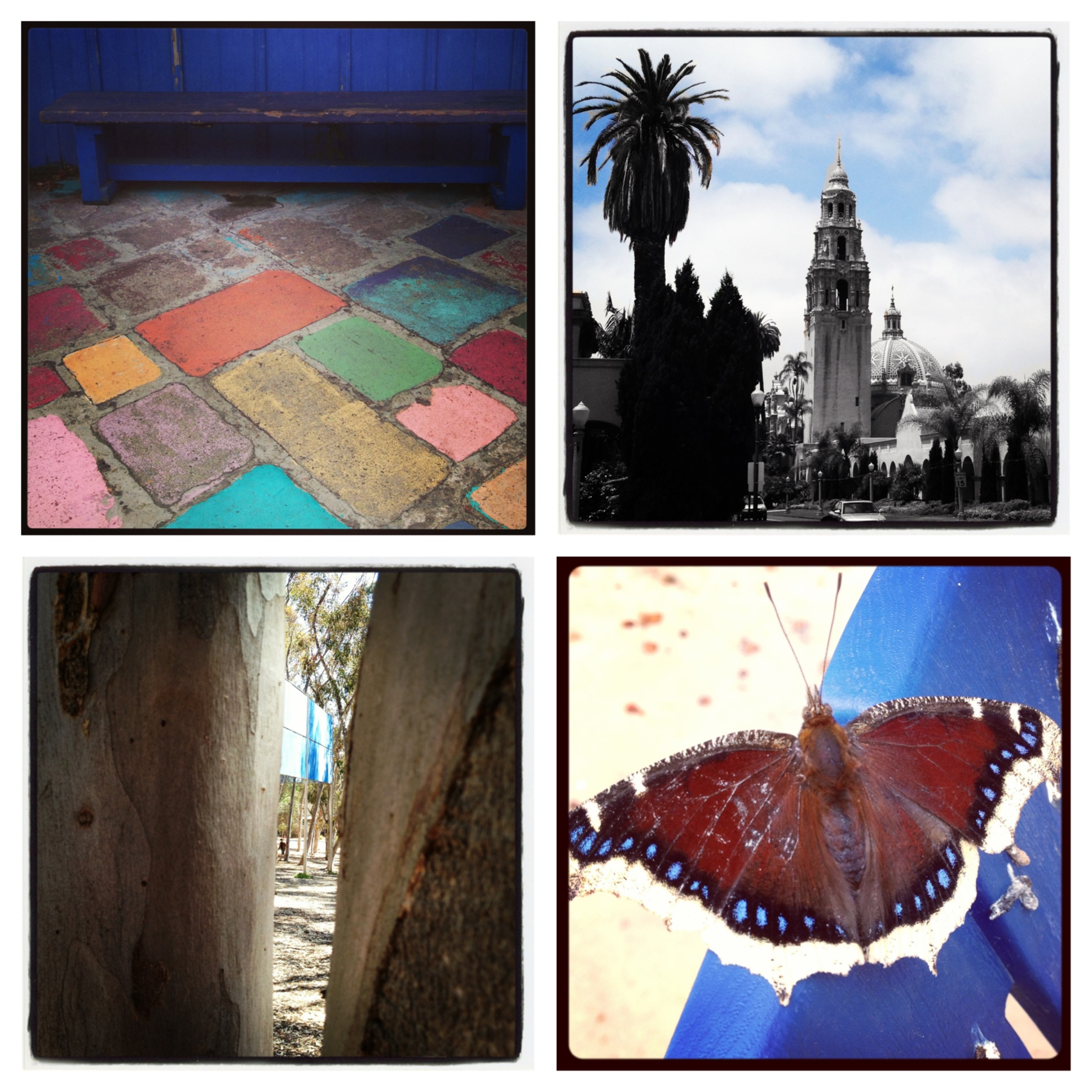
Blue…only a short three days as July came to an end…expressed itself differently than I expected.  When I originally crafted the color challenge I thought blue would focus on water…beachy things that are so prevalent in summer.  But my end of July didn’t take me to the beach or near the water as expected.  Instead, with the color in my head, blue appeared in unexpected places.  When I photographed this butterfly I didn’t even know it had blue dots on its wings. I don’t think I even noticed it was sitting on a blue chair.  What I saw was an opportunity to capture this beautiful creature through my lens.  I took a shot, then crept closer took another shot, crept closer…  I was amazed that the butterfly let me get so close.  Maybe it could sense my appreciation.

I find myself looking at the world around me as an opportunity for composition.  And I’m also thinking about the ways my eyes see things differently than my lens does.  Sometimes it’s the light…and my camera captures a silhouette where I see color.  Other times I can clearly see that bird in the sky…and my camera records a spot.  It’s a reminder to me that our lens shifts our view and understanding of the world.  We can look at the same thing and understand it differently.  It’s important for me to remember that what I see and understand doesn’t necessarily represent what someone else sees and understands through their lens.  And looking at those differences creates an opportunity to learn from one another.  As Margaret Wheatley reminds us in her text Willing to be Disturbed:

We live in a dense and tangled global system.  Because we live in different parts of this complexity, and because no two people are physically identical, we each experience life differently.  It’s impossible for any two people to ever see things exactly the same.  You can test this out for yourself.  Take any event you’ve shared with others (a speech, a movie, a current event, a major problem) and ask your colleagues and friends to describe their interpretation of that event.  I think you’ll be amazed at how many different explanations you’ll hear.  Once you get a sense of diversity, try asking even more colleagues.  You’ll end up with a rich tapestry of interpretations that are much more interesting than any single one.

This is what I love best about the photo-a-day challenge…I get to explore my own lenses and see what my friends and colleagues see through their lenses.  And I know this openness and exploration helps me beyond photography…into my classroom, with my fellow educators, and out in the world.

Connected Wondering

A friend of mine gave me two books the other day.  One I have read all the way through and the other I have browsed through.  They are alike…and they are 100% polar opposites.  The first, more of a coffee table/picture heavy book is called A Lifetime of Secrets by Frank Warren. Warren invited people to send a secret to him on a postcard or in a letter that he curated as an art installation.  They range from unthinkably horrible to silly, yet their arrangement and juxtaposition creates a powerful message.  This idea of sending anonymous secrets on the back of postcards is an interesting one–and one, and one that people seem to get relief from the sending…and maybe relief in reading the anonymous secrets of others.  Here’s a related website.

The other book is The Book of Awesome by Neil Pasricha.  This is a collection of little things that make people happy…like when you find cash in your coat pocket or the grocery store opens up a new line just when you think the wait is endless.  Each is written as short vignette–as short as a sentence or two to as long as a couple of pages.  This book also has a related website where people can submit their own awesome moments (in 1000 words or less).

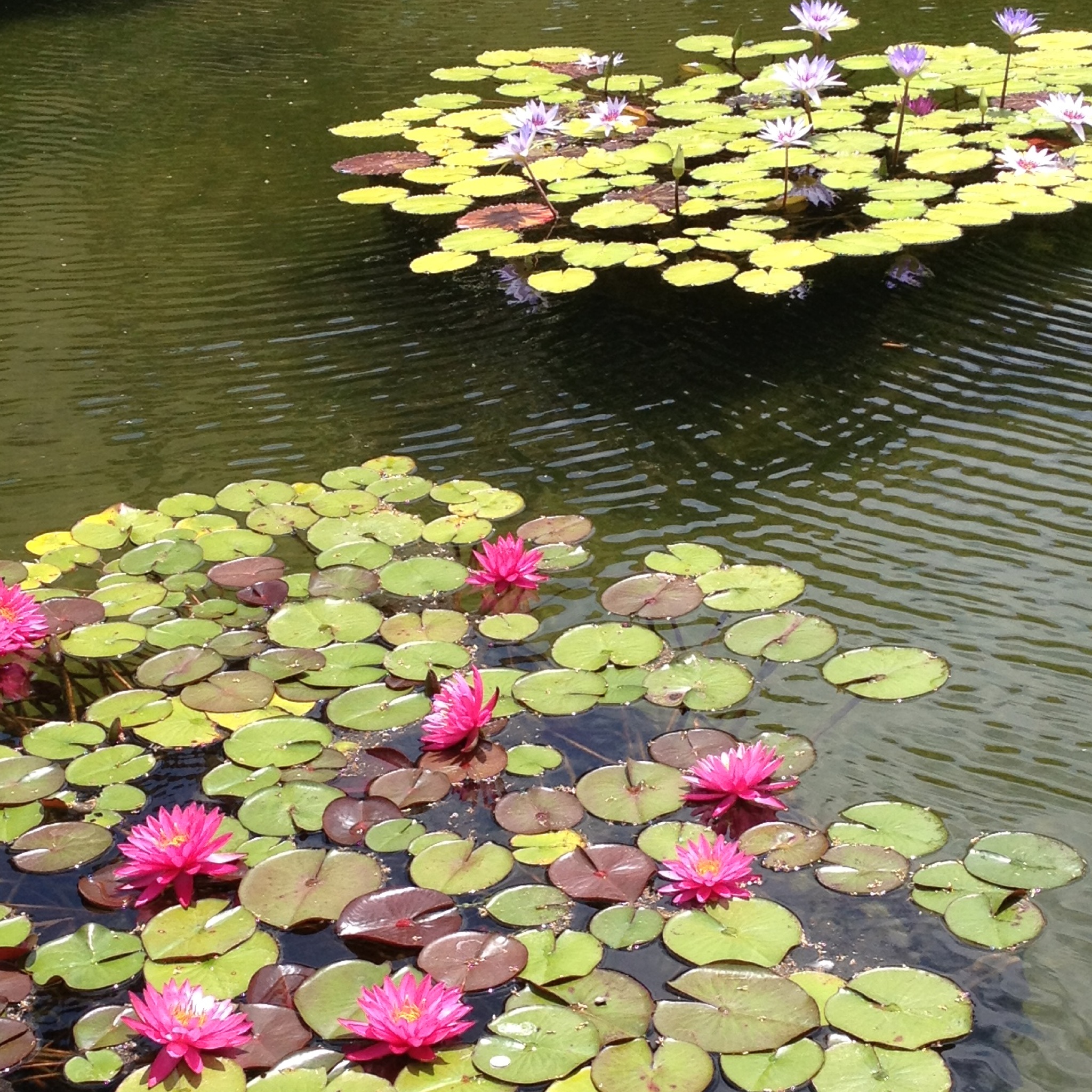
What strikes me about both of these pieces is the way people want to connect–even if it is anonymously.  People seem to have an urge to know that those things that burden or delight them also resonate with others, that they are not alone.  Like these water lilies I photographed today, tangled connections seem to help us as we live and grow.

photo-1

So as my thinking often does, I came back to the classroom with my thoughts about these books.  So how does the sharing of secrets and the sharing of awesome moments connect to the classroom?  I’m thinking about all those little things we do in the classroom to establish a trusting, cooperative, and collaborative community.  The ways we work to support each other in spite of our differences.  And a lot of that happens through writing–just like it did in these books.  Our writing uncovers our lives and lets others in.  It exposes our interests and our fears, our hopes and our dreams.

In response to my thinking about establishing a genius hour in the classroom in yesterday’s post, another friend commented about her experience seeing “wondering walls” in classrooms where students wrote down their questions–those things they are wondering about.  I’m already thinking about how a wondering wall might serve as an entry place for developing student-generated projects…and for encouraging students to use their classmates wonderings as springboards for their own.  Would that be like Postsecrets and The Book of Awesome — a place to connect and learn from each other?  A way to develop community and create collective interest as we pursue our individual wonderings?  What do you think?

The Silent Hand of Design: August’s Photo-a-Day Journey

I’m now just a few days away from a full year of participation in photo-a-day.  This daily practice of taking intentional photographs and posting each day has had a profound effect on my photography skills–and on my powers of noticing in the world.

For the last few months, my #sdawpphotovoices friends and I have been exploring different prompts to push our creativity.  We’ve been inspired by Picasso and Neil Gaiman and last month we spent each week focused on a single color.

I recently came across this Ted Talk by Rob Forbes who talks about design within reach.  He takes about 5000 photos each year, capturing interesting design elements.

I love the idea of the silent hand of design uncovered in the photos he takes.  Unexpected patterns and textures, angles and curves, symmetry and technology pop up in our everyday lives when we take the time to look.  Forbes suggests that the first job of design is to serve a social purpose and that the best design preserves diversity and culture.

For the month of August, let’s focus our photography on design.  Each week we will focus on a different element…and at the end of the week we’ll reflect on our photographs and curate our own observations and learning.  (I am cross-posting this at SDAWP Voices where Barb will create a link up for us each week)

photo-4

Take a picture each day that somehow captures the design element and post it to Instagram, Twitter, Facebook, or Flickr using the hashtag #sdawpphotovoices.  (You can post anywhere—if you want others to be able to follow your photos, Instagram and Twitter are best!)  For more information about posting click here.  At the end of each week let’s add an additional challenge:  curate your pictures from the week and select one to highlight.  You might post it on your blog along with some musings about why you selected it.  If you don’t have a blog of your own, you have a couple of choices—you can create a blog (be sure to share it with us by including your blog address in the comments here—or better yet, tweet it using the hashtag #sdawpphotovoices) or you can post to the SDAWP Voices blog.

August 1-4:  symmetry

August 4 or 5: reflect on your week and share your thinking and picture (or collage) on the link up

August 5-11:  curves

August 11 or 12:  reflect on your week and share your thinking and picture (or collage) on the link up

August 12-18:  angles

August 18 or 19:  reflect on your week and share your thinking and picture (or collage) on the link up

August 19-25:  patterns

August 25 or 26:  reflect on your week and share your thinking and picture (or collage) on the link up

August 26-31:  repetition

August 31 or September 1:  reflect on your week and share your thinking and picture (or collage) on the link up

As an extra invitation, at the end of the month, pick your five favorites to inspire a bit of writing or art or something else you want to make.  Be sure to share your creativity and what you discover through the process.  I can’t wait to see what our focus on design elements will reveal!

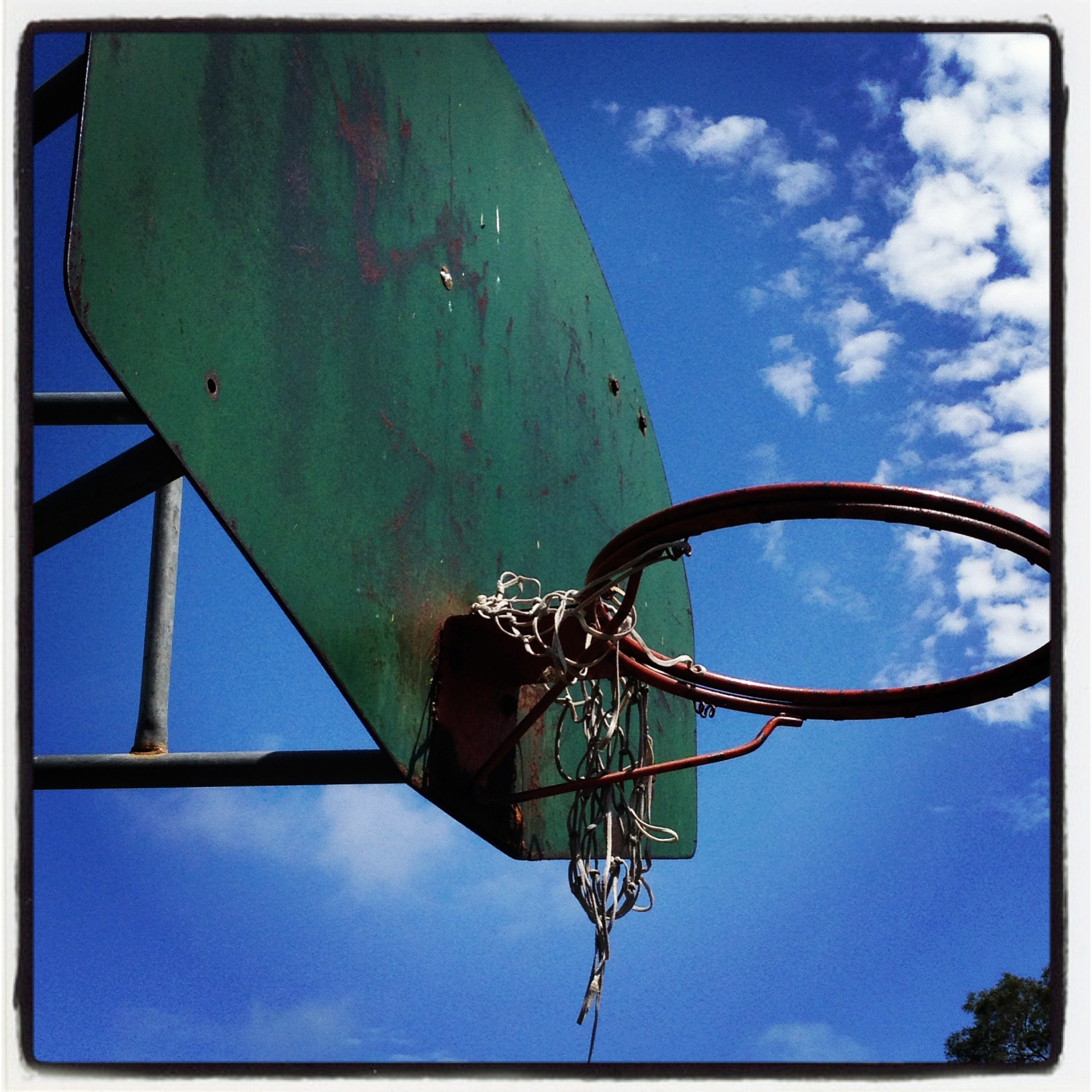
Basketball Hoop with #Green Backboard

This week’s photo-a-day theme was green.  Finding green was easy…plants and trees are everywhere!  The challenge for me was to find interesting photographic subjects beyond the beautiful plants, leaves, stems, and buds that caught my eye.

And I took some beautiful pictures this week.  (Check out yesterday’s post for some examples)  And I also took a number of photos this week that I like and didn’t post.  I have a great one of green tomatoes that I’ve been tempted to use.

So I’m going to highlight my most puzzling photo for the week.  I took this photo of a ragged basketball hoop with a green backboard at a local elementary school where I attended a workshop this week.  The school is older, but well kept.  There are interesting art installations on the grounds and a super cute garden.  The only thing that seemed out of place was this particular basketball hoop with the green backboard.

photo

There were other basketball hoops nearby–all white, and with intact nets.  So why is this one green?  And why has the torn net not been replaced?  I think there is a story here…or at least one developing in my mind.  What story does this image suggest to you?

And then…this is the perfect picture as green ends and we move to blue…

A Macro Kind of Day

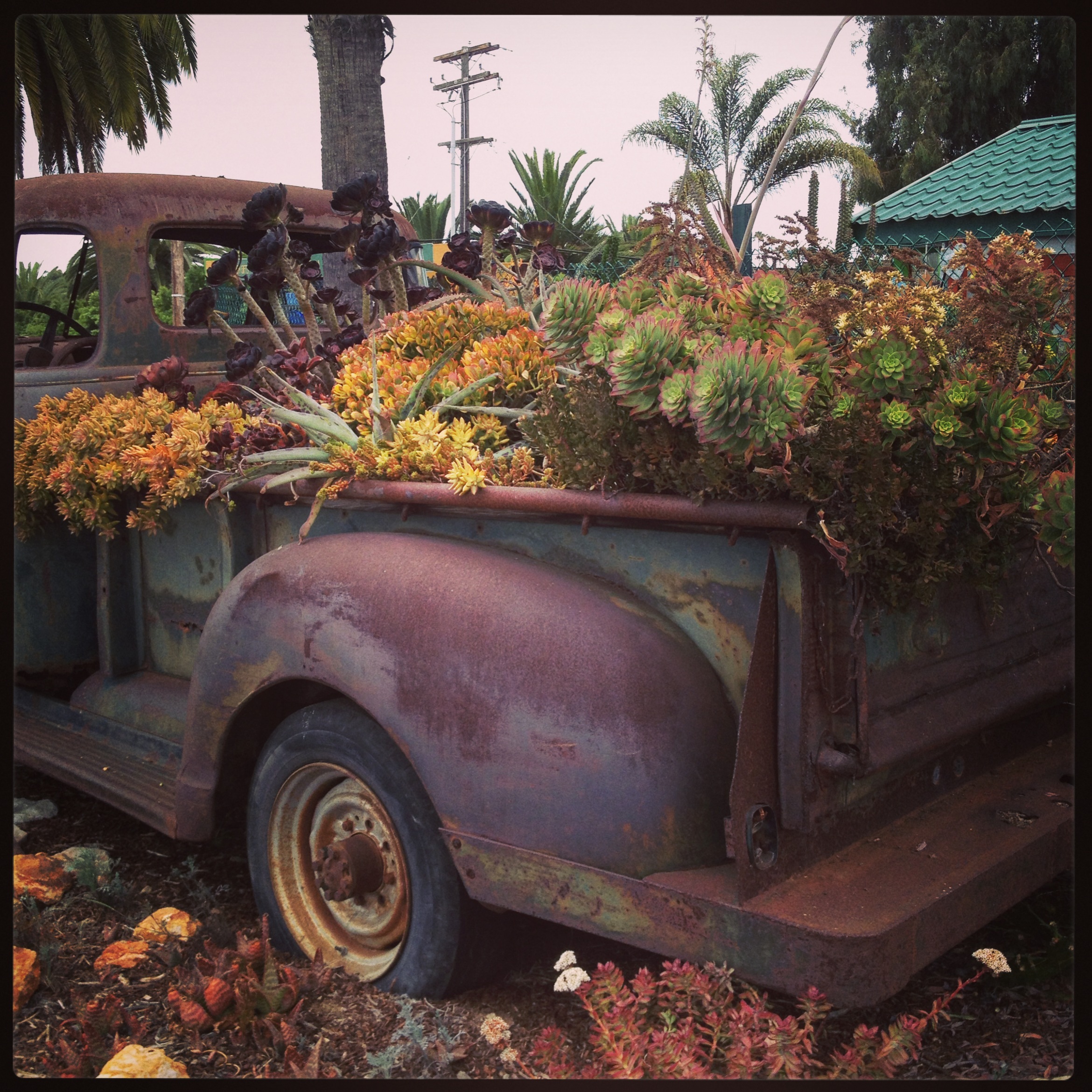
Today was a macro kind of day.  There’s this funky little shop in Leucadia that I’ve been wanting to visit for a while.  I love the way it looks…the green building, the orange fence, and the wonderful old truck used a planted filled with succulents.  It’s called Glorious Gardens Landscape and they specialize in succulents and xeriscape (drought tolerant landscaping).

photo-1

I wandered through the cacti and succulents in this tiny outdoor storefront.  Succulents are like plants from another world.  They have unusual colors, sharp angles and often geometrical design elements, and many sprout crazy flowers like flagpoles waving a celebratory banner.  I am drawn to them.  They remind me of some of my favorite people: resilient and quirky!  These people listen to their own drum beat and persist and follow through with what others often see as crazy dreams or unrealistic projects.  Lucky for our students–many of these people are educators working to make a difference in the world!

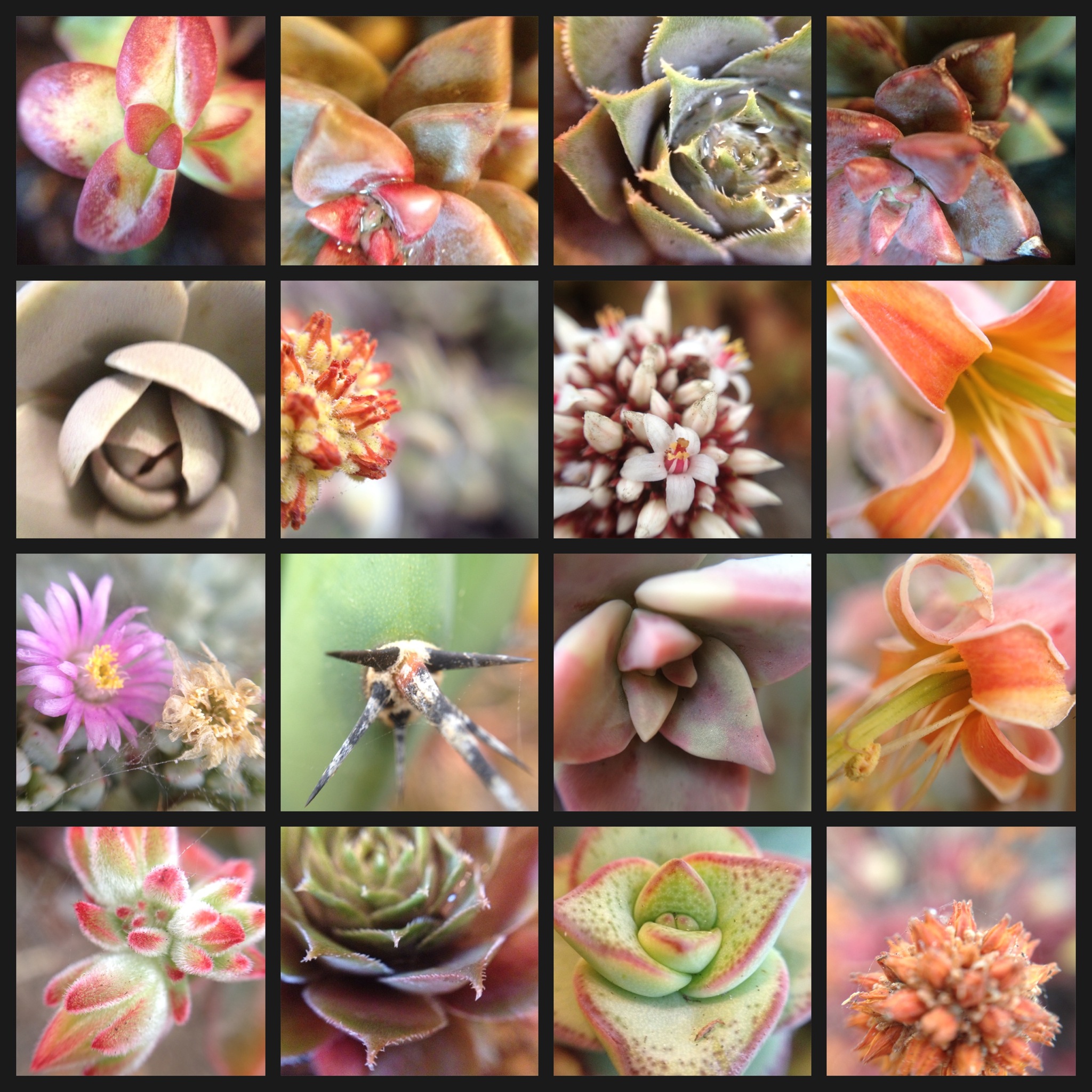
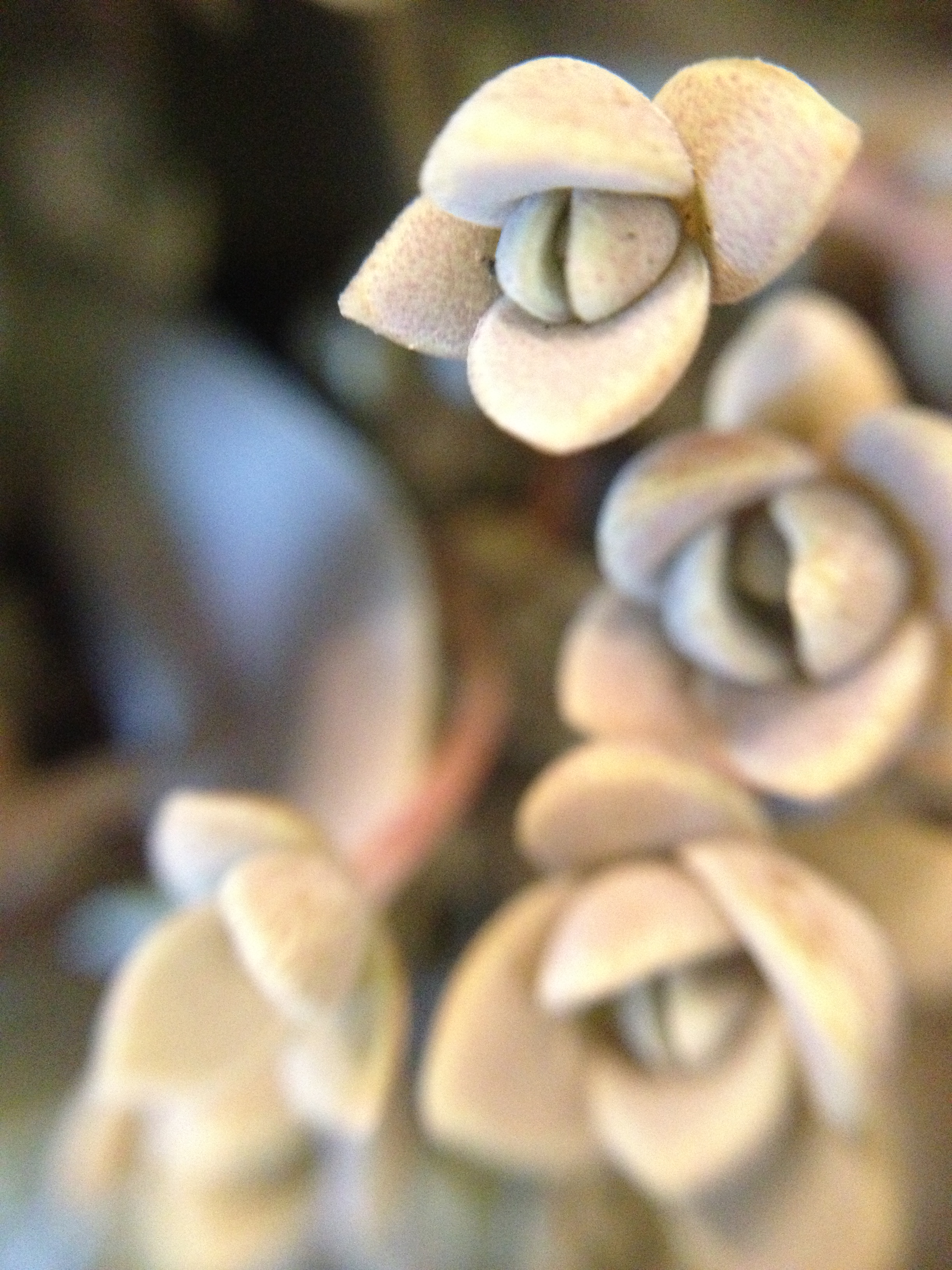
While waiting for my plants to be potted (yeah, I couldn’t resist!) I spent some time with my macro lens looking closely at these fascinating plants.  Here’s an assortment (using the app fuzel) of some of the images I captured.

photo.PNG

I fell in love with this particular plant today…in shades of gray.  It’s both delicate and sturdy.  Intricate and simple…and simply beautiful.  And in it’s macro close up, I feel like I am looking at it eye to eye.  It’s looking closely at me while I look closely at it.

photo

What do you notice when you have a macro kind of day?

Breaking Through #Orange

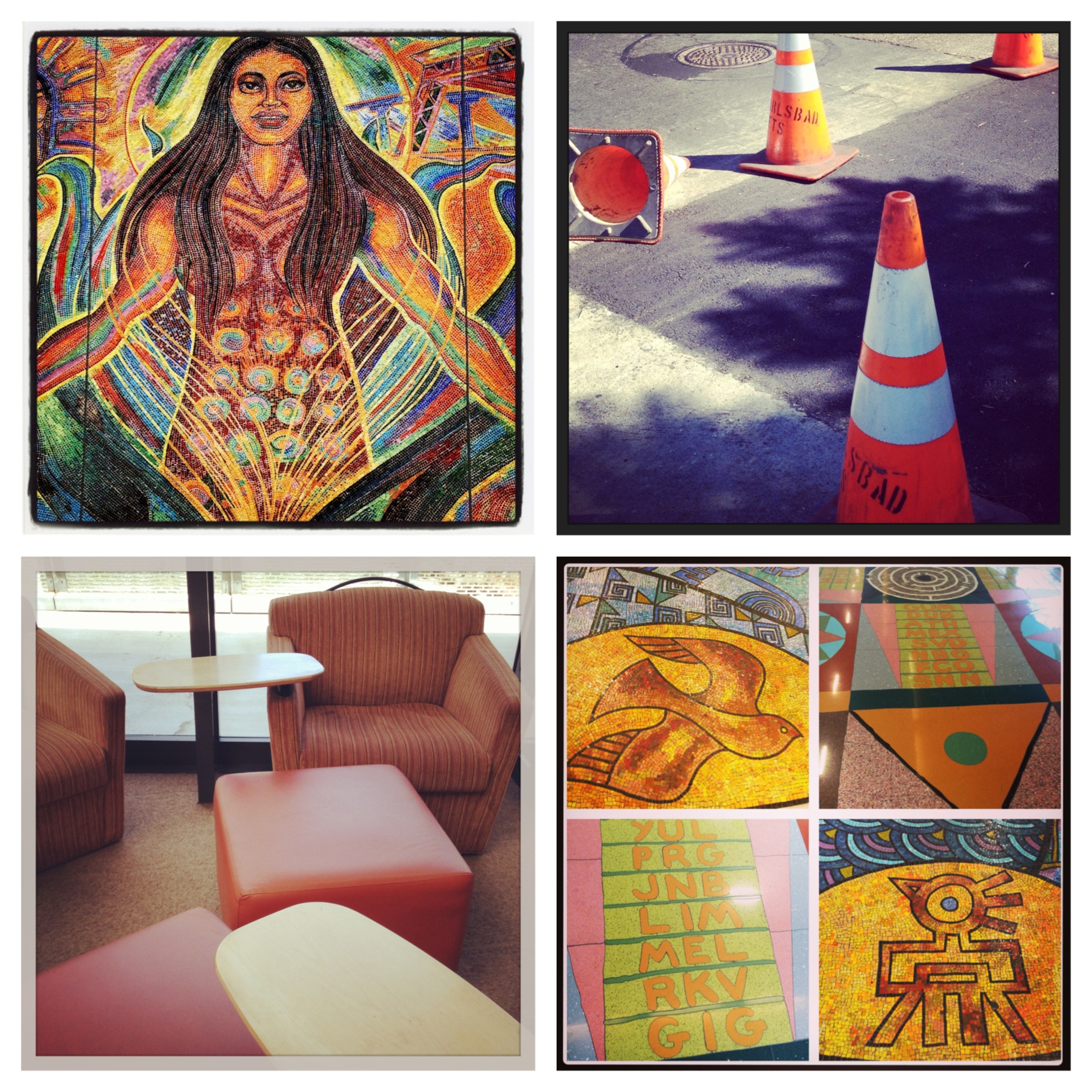
I love the challenge of taking and posting a photo every day.  I could just take a picture, but the daily/weekly prompts push me to reframe and rethink what I choose to photograph.  This month’s challenge–a different color every week–has posed some new considerations for my photography.  Red and yellow pushed at my choices and had me thinking about and looking for ways to highlight those colors photographically.  I was still finding interesting scenes and objects…at least one each day that “fit” in the color frame for me.  This past week was orange and I began to feel that the task was hard.  I could find orange–but it seemed so ordinary and overdone–caution cones, warning signs, and flowers.  So I photographed a mural, those ever-present cones, some orange furniture, and made a mural collage.

orange

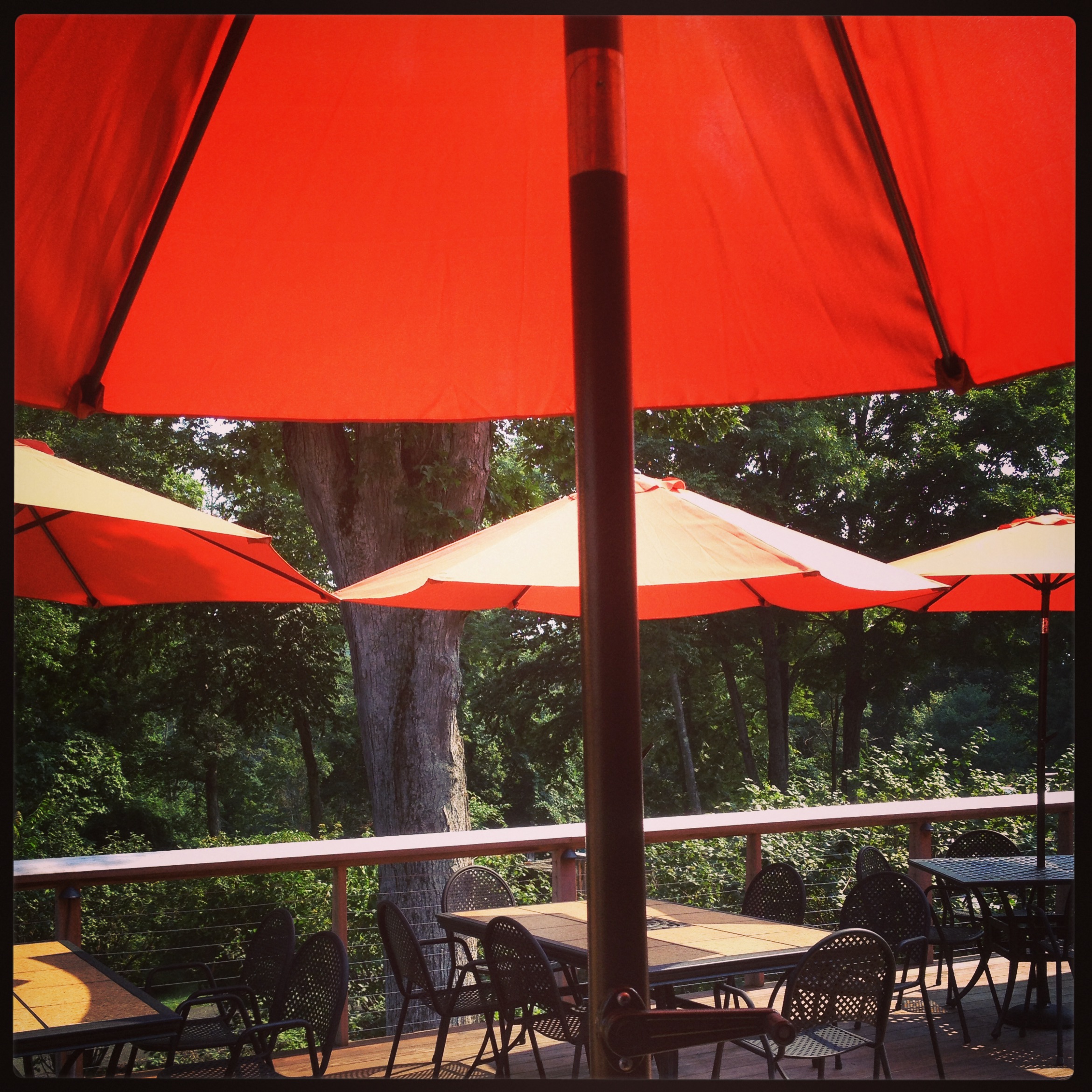
But my photos were feeling boring–I wasn’t inspired.  Apparently, somewhere in the process of spending a week focused on a color I had raised the photography bar for myself.  I wanted interesting, provocative, artistic shots–and they still needed an orange focus.  The orange umbrellas from Friday were a bit better–I like the framing of the shot.

umbrella

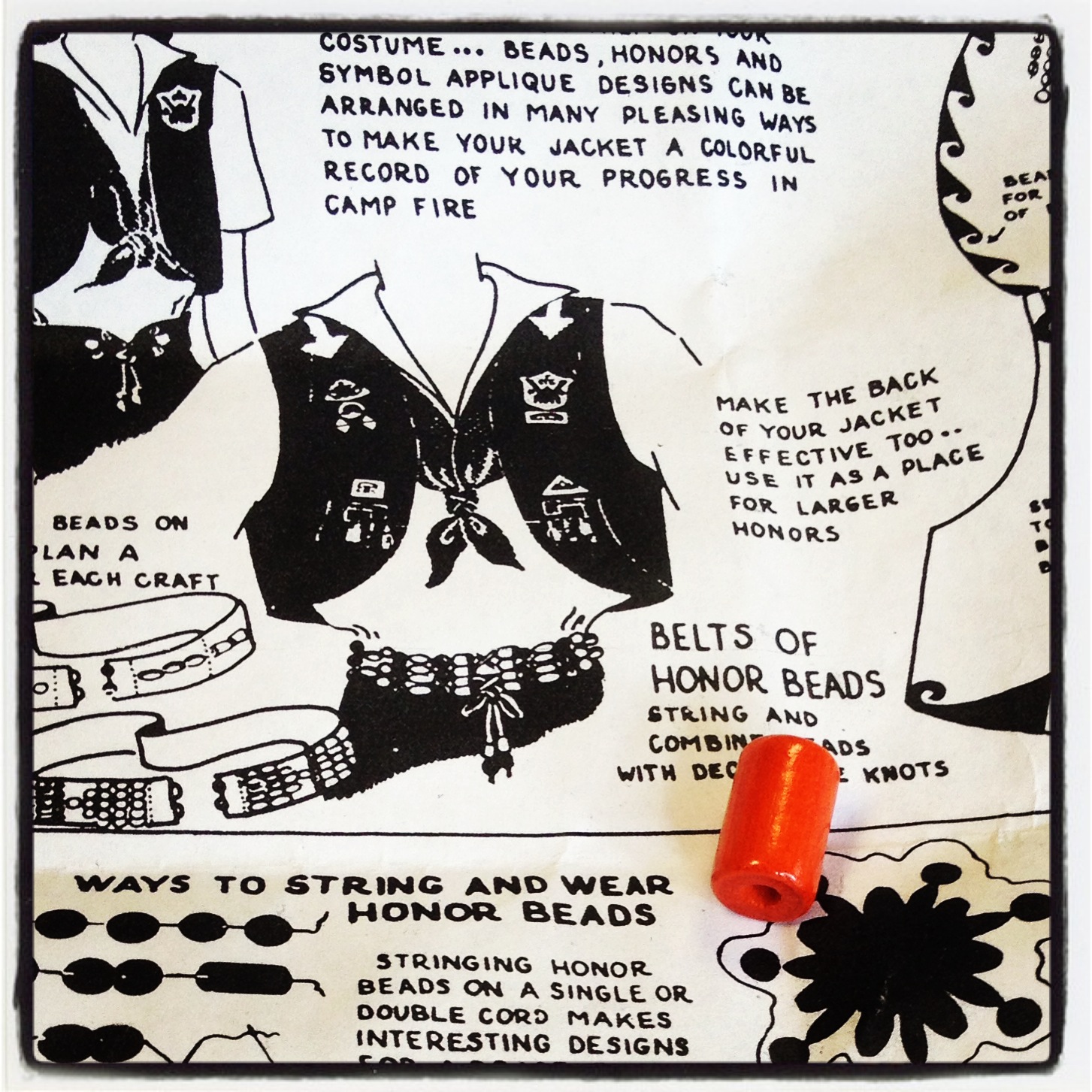
On Saturday serendipity struck and I was given a small orange bead that became the focus for both my photo and a blog post.

photo

And then on Sunday (the last day of orange) I had a breakthrough of sorts.  My learning walk gave me the time, space, and focus to tune into the orange around me in interesting ways.  I ended up posting these three:

photo

berry with orange

photo-1

And there were a few others that I haven’t posted yet.

So today begins green.  I like taking the opportunity to reflect on the week of photos and think about my growth as a photographer and my thinking about how the constraints of the photo-a-day challenge (self-imposed) support and/or interfere with my creativity.  What am I missing when I focus on a theme or prompt?  What do I gain when I force myself to “see” through a constrained lens?

I’d love to know what you think!

Learning Walk: a Photo Essay

I made time for a learning walk this morning, just a 30 minute or so ramble up the paths around this conference center in the woods.  For me a learning walk is a quiet introspective time for noticing the world around me.  I find that in addition to looking for interesting images to capture with my iPhone, I am more attuned to sounds during a learning walk.  This morning’s walk in the warm, but not too warm sun of Westchester, New York was accompanied by a symphony of birds as they called to one another and flitted through the leaves and branches of the plentiful trees.  The backbeat percussion was provided by the hum of cicadas.  Occasional scurrying sounds suggested that I was not alone on my walk.

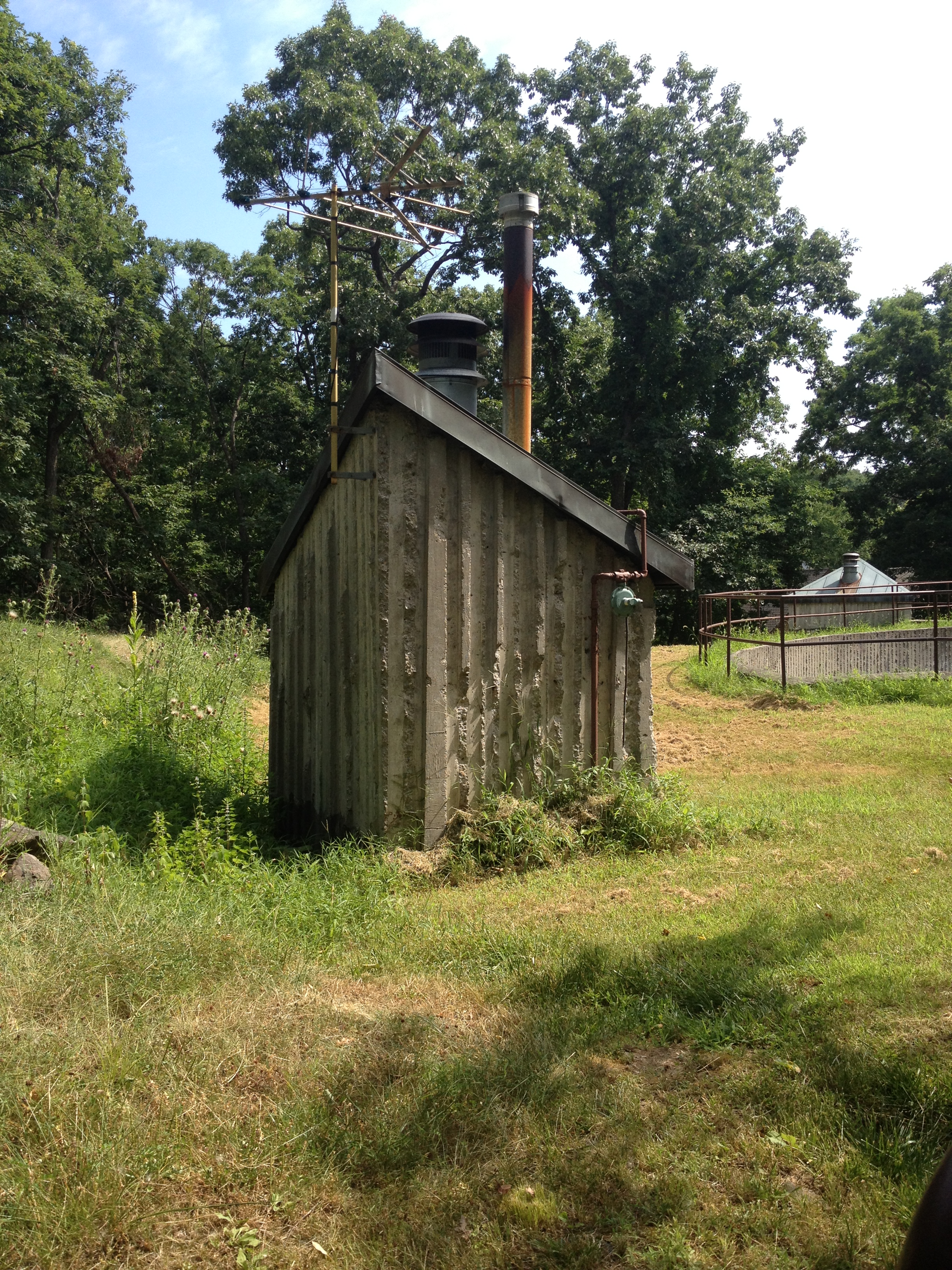
chimney

As I headed up the hill I noticed this rustic chimney on a building along side the path.  I went around the other side hoping to find a beautiful old building, but really, the chimney was the outstanding feature.  I noticed a sign pointing the direction of the tree house.  A tree house?  I was intrigued and continued my walk.

tree house

This isn’t my definition of a tree house.  Looks more like a conference building near trees–not stunning or particularly interesting.  But…I took a few minutes to sit on a picnic bench and attach my macro lens to my phone and then set off to explore some of the plant life.

thistle

thistle2

I love the texture of this thistly plant…and its spiky stem and leaves.  But this week is orange in my photo-a-day challenge, so while I was drawn to this beautiful purplish-pink I continued to look for examples of orange.

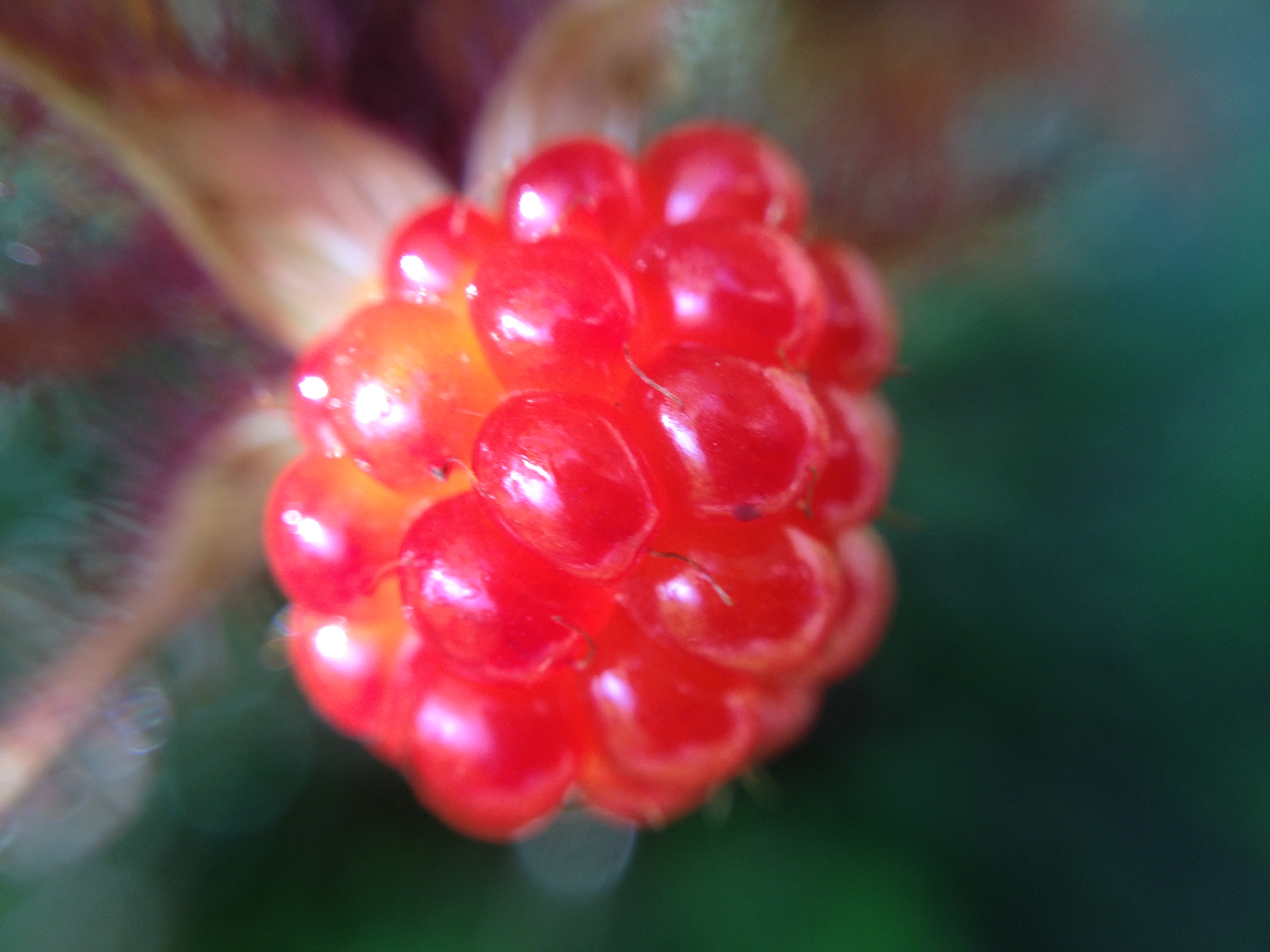
orange berries

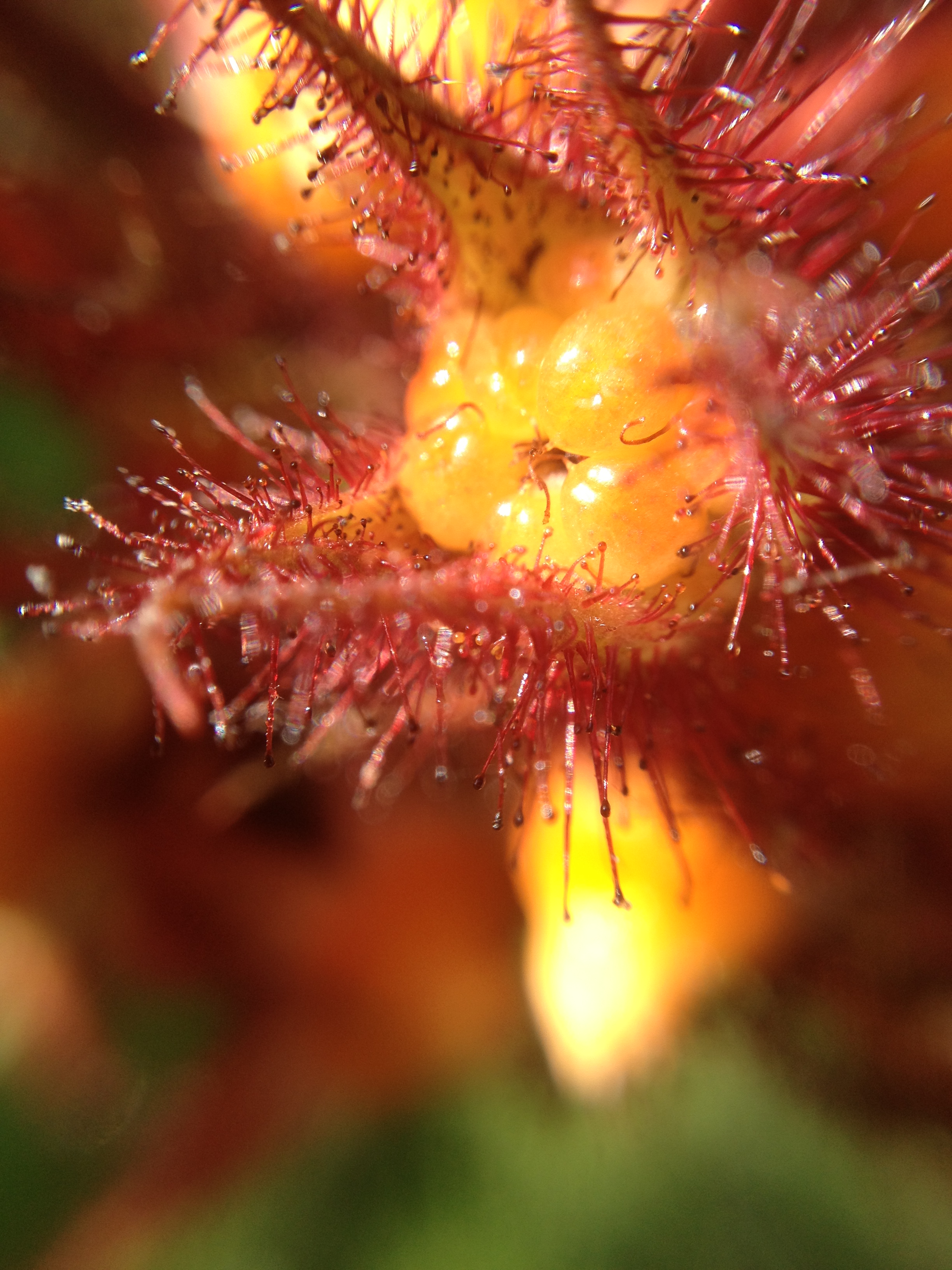
berry with orange

I discovered that these berries that I had seen as red, had a stage where orange was prominent.  And I love the hint of orange highlights on this berry!

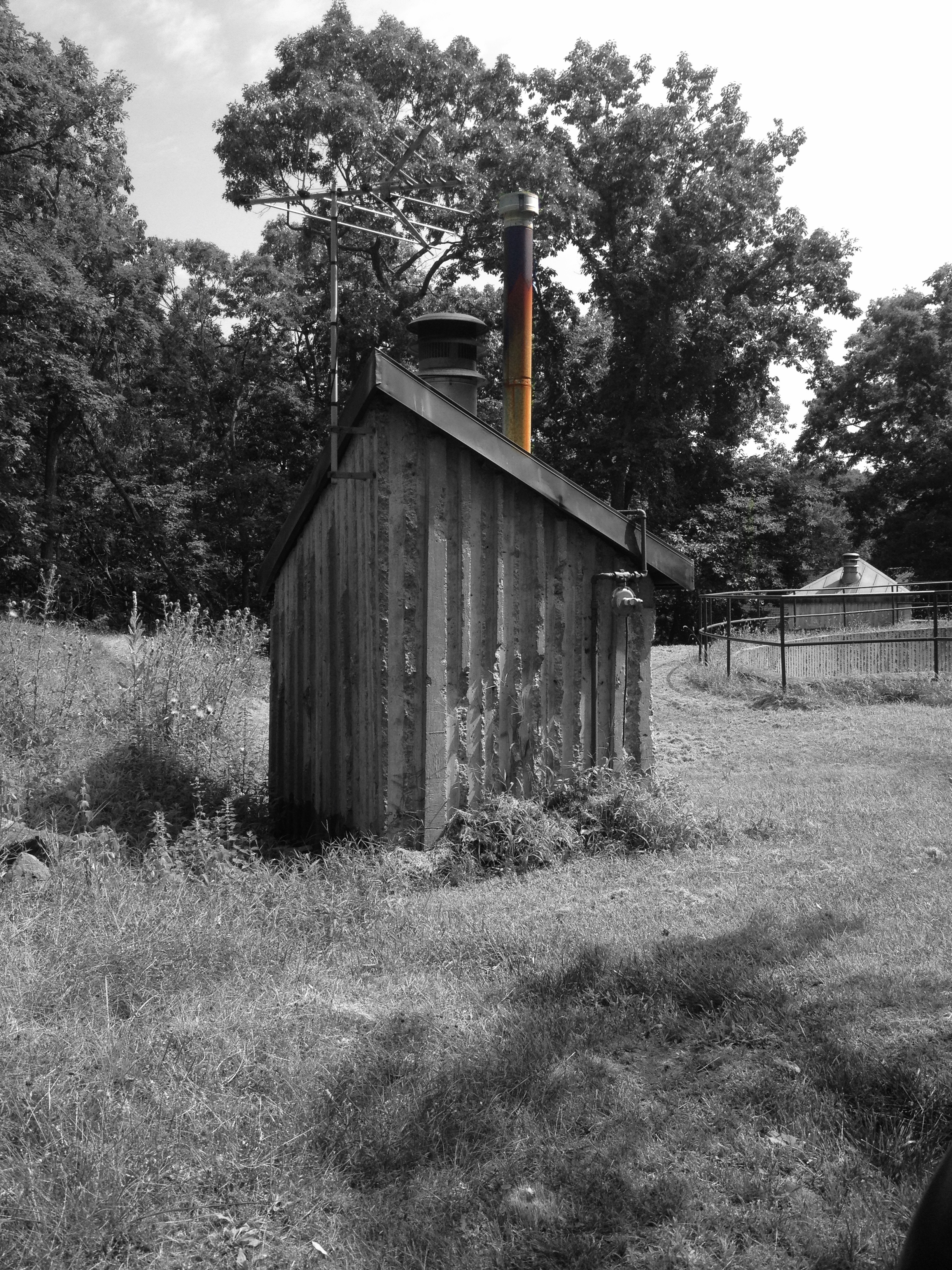
As I looped around the tree house to head back I noticed some other buildings and happened on this interesting little building…with a rusty orange stovepipe!

rusty pipe

I backtracked the way I had come, noticing things I had missed on my way up.  A tree stump with a hole.  I wonder what might live in there?

tree hole

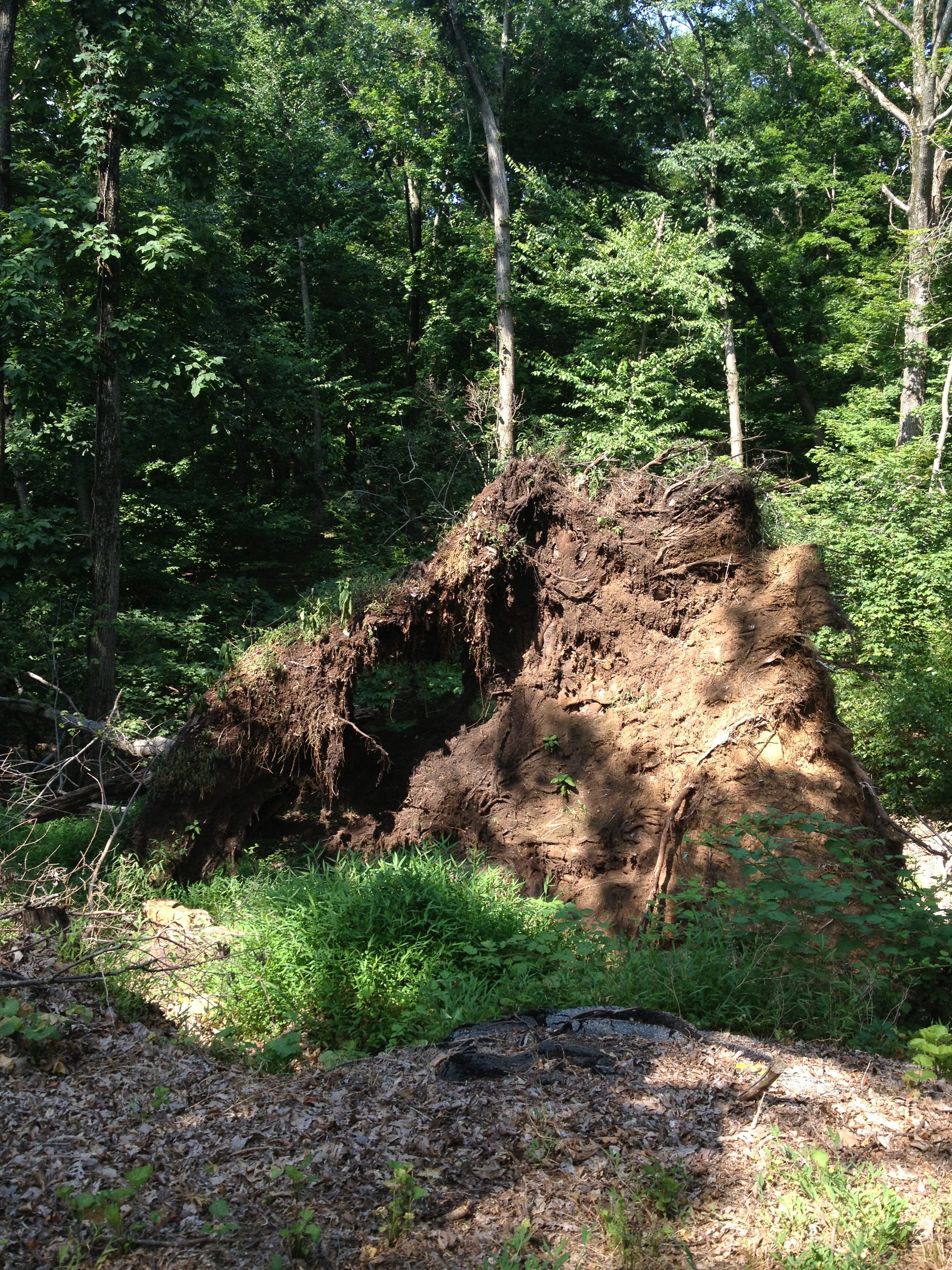
I also wondered if there were storms here in the winter.  These roots from a very large tree are facing up instead of anchoring the tree in the ground.

roots

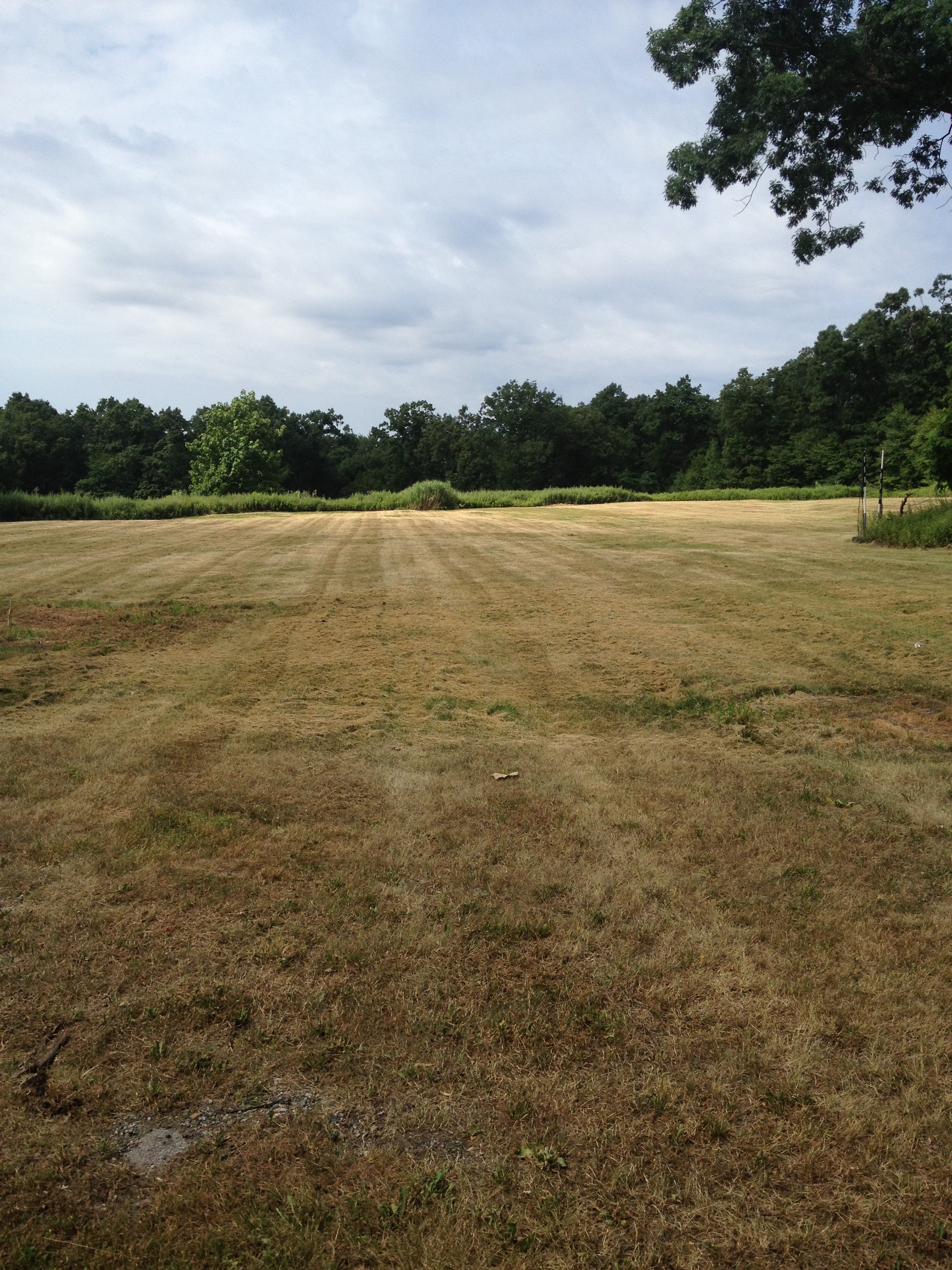
I came across this clearing…a surprise opening in the otherwise moderately dense woods.  I wonder why this space is open?  Does it have a use?  Is it a pasture of some sort?  It looks freshly mowed.

open field

I returned to the conference center with lots of interesting things to think about.  I love taking the time to notice and wonder.  It’s a great way to explore a new place and also to allow for re-seeing someplace you already know.  For me, the photography aspect keeps me from turning my learning walk into a work-out, speeding by without taking the time to stop and notice something that catches my eye…or ear.  I saw so much more than I captured with my camera…the elegant white moths that fluttered around the plants, the way the sky looked through the trees, the tiny white flowers that were enough off the path that I didn’t venture through the brush in my flip flops.

I want to provide time for my students to take some learning walks this year.  We might take our ipads and do some photography.  Or we might take our sketch pads and stop to capture our noticings that way.  We might even head out with our writer’s notebooks.  Whichever tool we choose, the important part of the process is taking the time to notice…and then taking the time to think and reflect to make sense of the experience once we return.  I hope to share some of our class learning walks when school starts in the fall.

I invite you to try a learning walk.  I’d love to know what you notice and learn along the way.

Can We Crowdsource Equity?

I’ve been thinking about photography and the power of images to influence perceptions…and to change actions.  Litterati came to my attention earlier this month–a movement that encourages people to photograph litter they find, clean the litter up, and post the photo on social media with the hashtag #litterati.  I love the idea!  And I also love the way that so many of the photographs that people post are so beautiful!  My friend Janis took this amazing photo of an abandoned yellow bucket…and some others including one of a Starbucks cup today on the ground nestled in some orange tulip tree blossoms.  As I admire the beauty of her photography, I also think about the impact of the trash and I become more aware of the trash around me.

And then Mia over at the  #clmooc posted this video about the Landfill Harmonic where a music teacher, a garbage picker, and children from a Paraguayan slum make musical instruments from trash in the landfill, and then work to create a better life for the children who  play beautiful music on these instruments.

This morning a tweet about a TED talk caught my eye.  The Silent Drama of Photography.

I listened to Sebastiao Salgado to tell his story about his obsession with photography as he captured the devastation of war and death and destruction–to the point where doctors told him that his photography was killing him.  He turned away from photography and returned to Brazil, his homeland, and decided to work to restore the rainforest that was lost to human encroachment by planting native trees and plants–and giving his family’s ranch to the country as a nature preserve.  Through this work he found his love of photography again and changed his focus from photographing humans to photographing nature, capturing the beauty of the land reclaimed.

I find myself considering the question Janis asks in her post about the abandoned yellow bucket…how can we, as educators and those who care about the education of our young people, use photos to bring attention to the “litter” in education–all those practices that stamp out the passion for learning and treat students as cogs in a learning machine–to allow spaces for creativity, critical thinking, and pure joy of learning?  To allow all students this access, regardless of socioeconomic status, skin color, language background, and test scores.  Can we use photography as a way to crowdsource awareness towards equity in education?

Dandelions: A Photo Essay

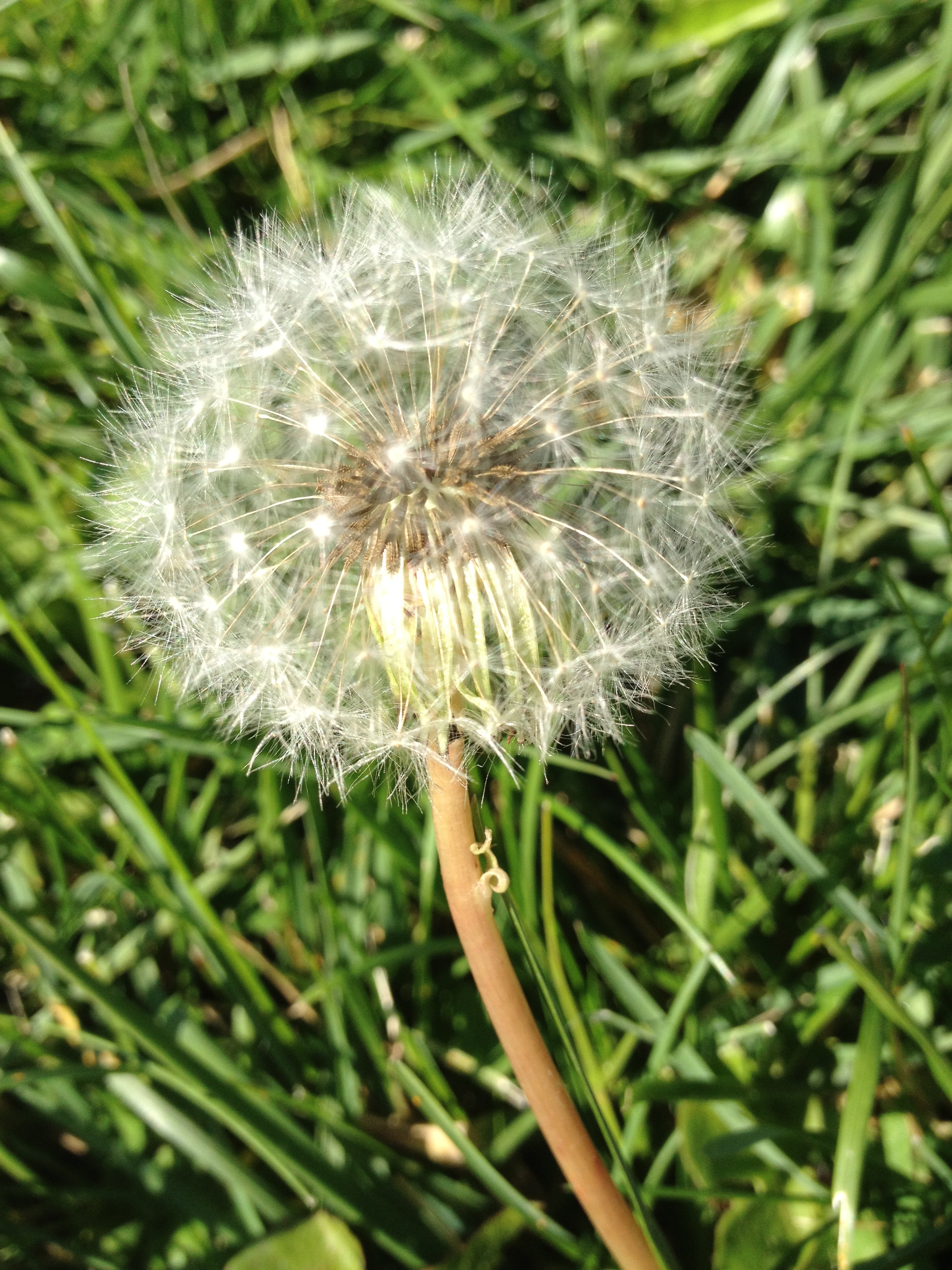
Dandelions fascinate me.  These pesky plants, often referred to as weeds, are hearty, resilient, and strong and at the same time delicate, graceful, and intricate.  During the winter I had the chance to watch a dandelion transform through its growth phases.  It somehow ended up thriving in an abandoned planter in my front yard—one of those spaces where I always have plans to have something beautiful grow—but lack of consistent watering and attention seem to spell doom for whatever I purposely plant there.  We’d about given up on the planter, planning to relegate it to the back yard where it wouldn’t be such an eyesore—its been just a planter of dirt for some time–when I noticed a dandelion flower blooming bright and yellow seemingly oblivious to the neglect of this newfound home.  I grabbed my macro lens for my iphone and worked to capture that sunny globe.

photo

Each day as I arrived home from work, before the daylight had dimmed, I noticed another phase of the dandelion’s life and attempted to capture it with my macro lens.  I love the way the macro forces me to slow my breathing, lean in close, and look carefully.  Steadiness is paramount to a successful photo—and I find myself angling the lens this way and that as I work to achieve the optimal focus on some aspect of my subject.

photo-1

As the dandelion turned from yellow flower to white fluffball, I realize how little thought I had really given to these two very different versions of the same plant.  Like so many people I had played with these “weeds” as a child, picking these little fluffballs and blowing while I made wishes, never considering that I was in fact helping their cause as those pieces of fluff, each with a seed, attaches floated to a new home.

photo-5

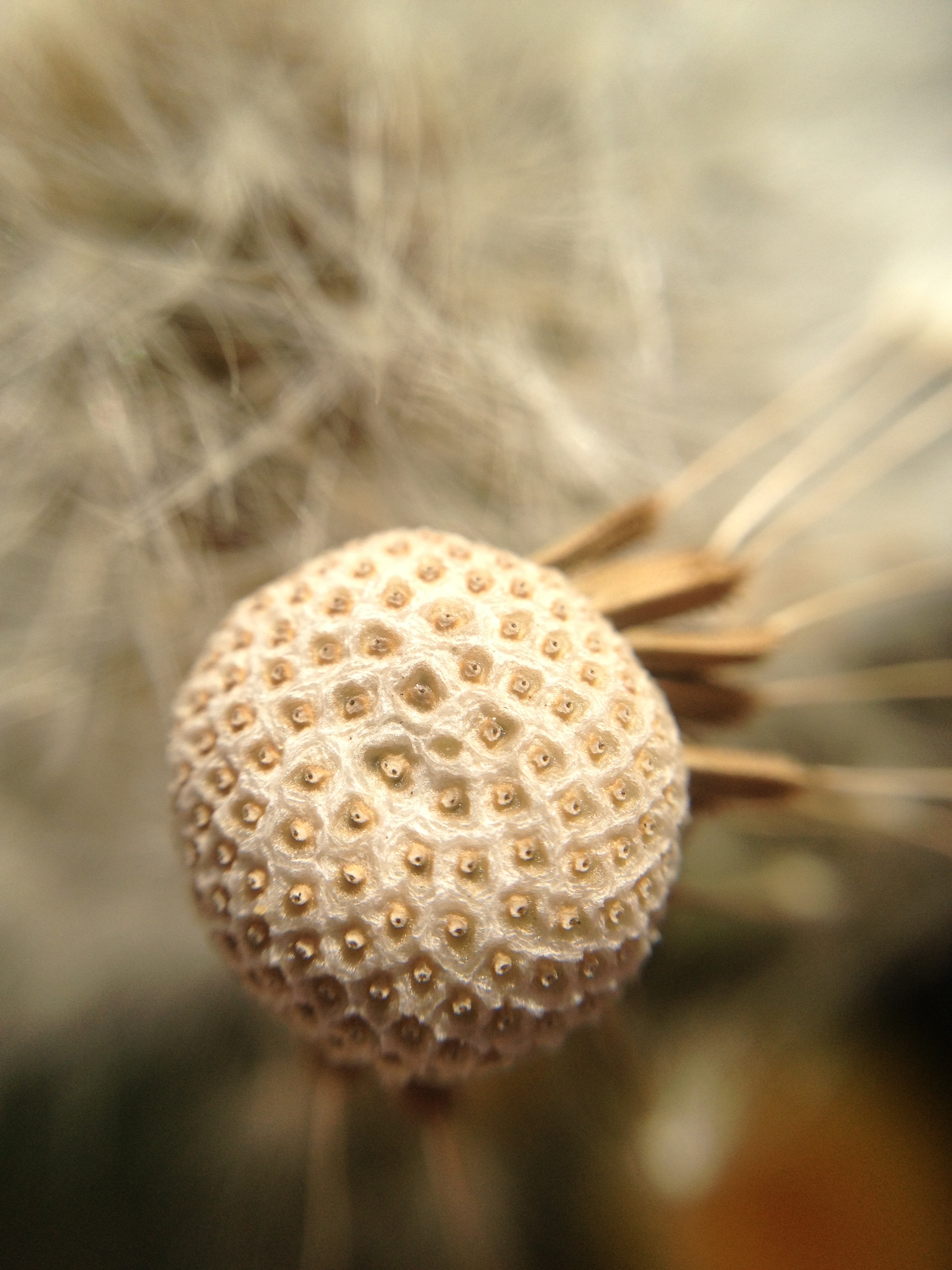
I got closer still and worked to capture what happened day by day as the dandelion naturally progressed.  And that’s when my view of dandelions was forever transformed.

photo-2

I became obsessed with taking pictures of dandelions…in all their states.  And I began seeing what had once been ordinary in new and extraordinary ways.

photo-3

Instead of my “go about my business without paying too much attention to the little things” stance, I suddenly had a caterpillar’s eye view, which opened up new ways of seeing.

photo-4

So my takeaway…look closely and pay attention to the ordinary, searching for the hidden beauty.  I feel like that’s also a lesson to heed even without my iphone in my hand.  In my classroom and in my work with teachers I also need to search for the hidden beauty masked by the ordinary–that’s where the treasures lie.  What treasures are hiding from you?